
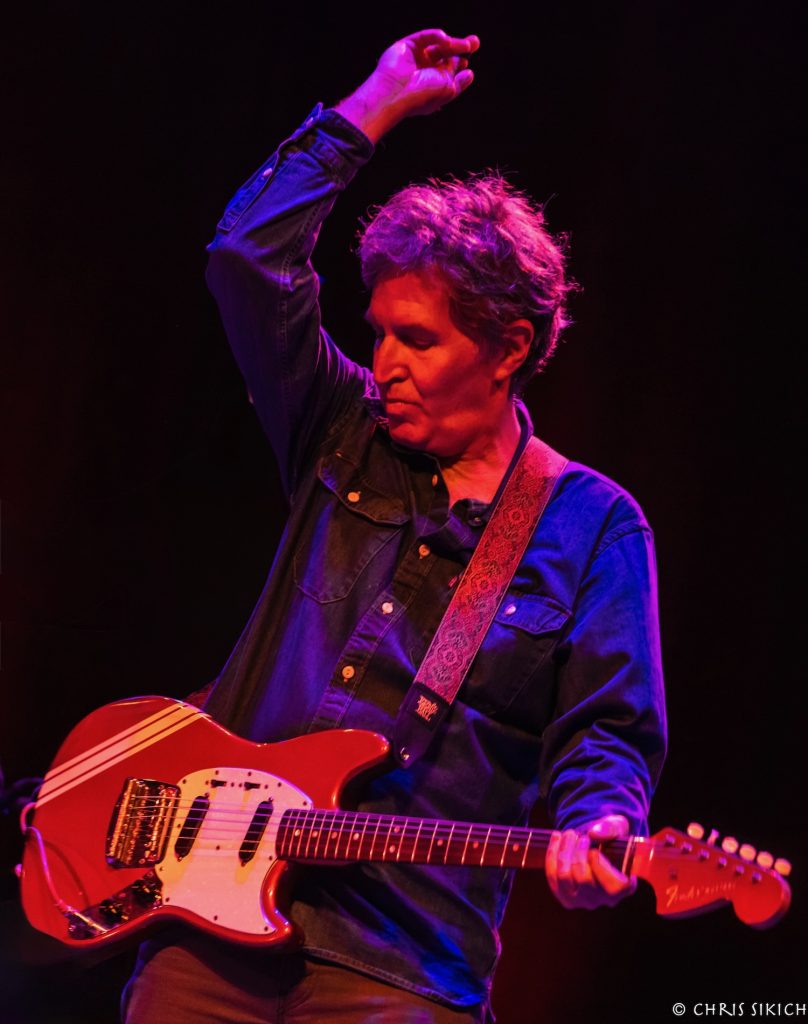
A passionate bunch, Dream Syndicate fans must be thrilled with the long-awaited reissue of the celebrated post-punk outfit’s 1984 release, Medicine Show. After finally gaining the rights from Universal Music Group after a lengthy legal battle, the band has unveiled an impeccably assembled and packaged 42-song CD boxed set on its own Down There label (distributed by Fire). It features 29 unreleased tracks from the Dream Syndicate’s seminal 1983-84 era, including live recordings, radio sessions, rehearsals, demos and other archival finds. The original LP is also available on vinyl.
Saddled by inflated expectations after the group’s acclaimed debut, 1982’s The Days Of Wine And Roses, and dealing with interpersonal friction in the studio, Dream Syndicate frontman Steve Wynn was not in a good way during the recording of Medicine Show. Regardless, the finished product was well-received by critics at the time and is now considered an essential ’80s touchstone. The album also cemented the group’s status as celebrated commercial outliers destined for cult-hero enshrinement.
Wynn and the rest of the Dream Syndicate are currently in full-on reunion tour mode. MAGNET’s Hobart Rowland caught up with Wynn during the final East Coast leg of Medicine Show performances.
Walk us through the music-industry saga surrounding the reissue of Medicine Show.
It’s pretty convoluted, tedious, inside-baseball kind of stuff, but I’ll do my best. Basically, there’s a 35-year reversion law that says master recording rights are supposed to switch back to the artist once that period has passed. There’s more to it than that and various hoops that must be jumped through, but it’s supposed to be pretty much a done deal. Well, Universal refused to acknowledge that for their artists, and a legal team in California put together a class-action lawsuit on the behalf of a bunch of artists, including the Dream Syndicate. The process took about five years, but they won the suit, Universal settled, and we got Medicine Show back.
Even with all the praise you’d received for your debut, there were obviously things you wanted to do differently on Medicine Show. What were they?
We’d become a different band. Our bass player, Kendra Smith, quit the band, and that changed our sound and the way we connected personally and musically. We toured nonstop after the release of The Days Of Wine And Roses, and that changed us a lot, as well. We became a better band and better musicians. We learned more about life and the U.S. in general. My songwriting changed—and the ways of making records and working in the studio had changed. It would’ve been somewhat disingenuous and a definite pose to pretend we were the same band working in the same world. Also, I’ve always been a fan of artists—Dylan, Bowie, Neil Young, etc.—who changed radically from album to album. That seemed far cooler than establishing a brand and holding still.
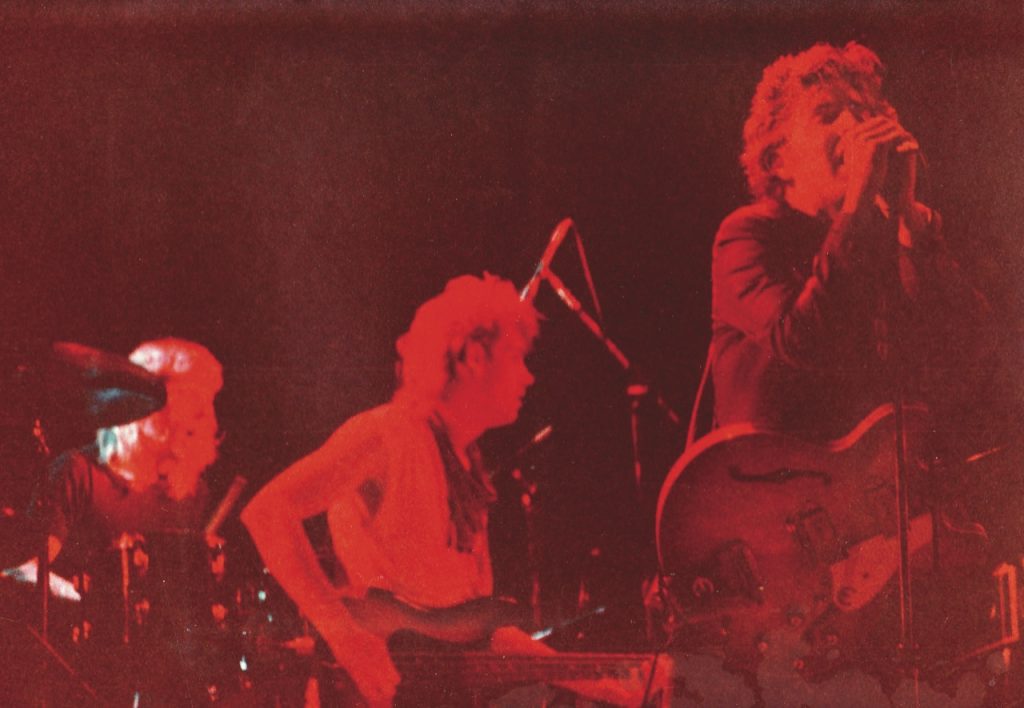
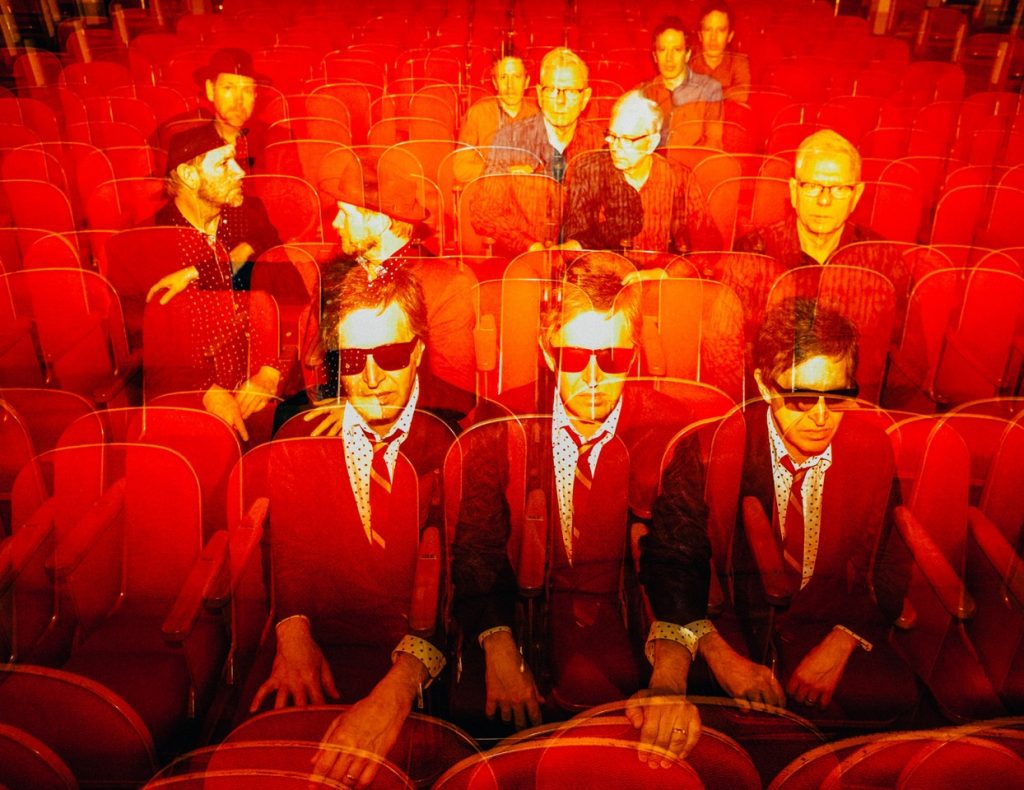
You’ve acknowledged that you hit a wall during the recording of Medicine Show. What were you struggling with at the time?
We were struggling with Sandy Pearlman, our producer—that’s about it. He was looking for something: big, grand, mysterious, who knows what? But he wouldn’t stop until he found it, and we had no way of knowing what it was. We were very inexperienced in the studio, so we just went along with his journey. At some point, we all fell into line and figured out the record we all wanted to make—and it was pretty easy and fun after that. But it was hell getting there. I’ve spoken to or read interviews by other artists he worked with over the years, and it seems that’s just the way he worked.
Angst aside, what are some of your most indelible memories from that period?
Mostly getting drunk in the Tenderloin, watching Dr. Gene Scott on TV until dawn, wandering around San Francisco and waiting. A lot of waiting.
There’s a ton of bonus material on this reissue. How did you decide what goodies to include?
This was our archivist and label rep—and celebrated author and one fine musician himself—Pat Thomas’ baby. He had a vision for a way to approach Medicine Show in a larger context: how we got there, what we did once we did got there and where we went after it was done. He wanted to present it in a linear, narrative way. He connected all the dots in a way that maybe even our most devoted fans—or even we—hadn’t done before.
How’s the reception been for live shows?
Fantastic. I was shocked how easily and comprehensively we managed to slide into the sound, style and attitude we had when we played these songs in the studio and onstage back in 1984. And, thankfully, with a lot less whiskey and hairspray.
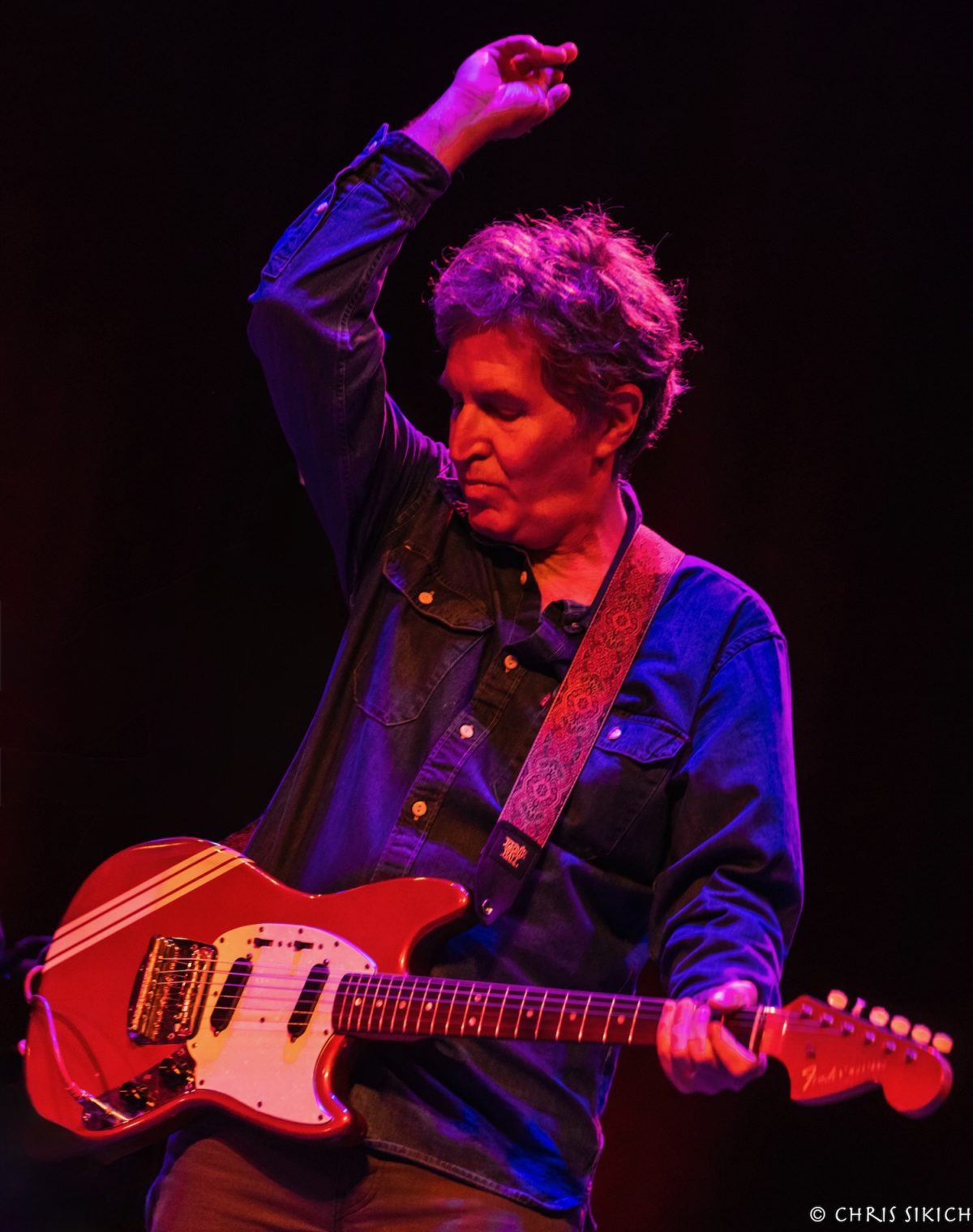
—Steve Wynn and new Dream Syndicate photos by Chris Sikich
See the Dream Syndicate live