
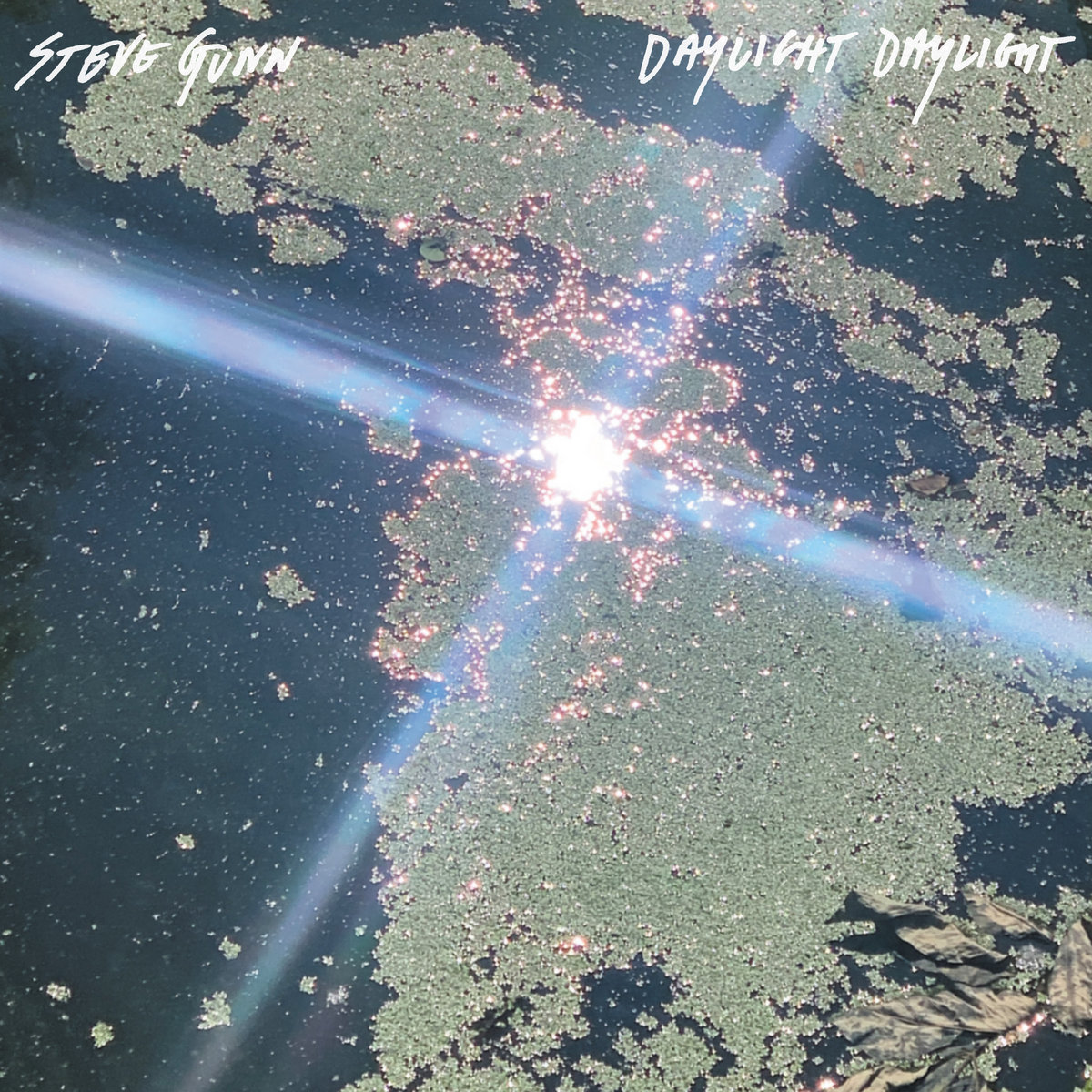
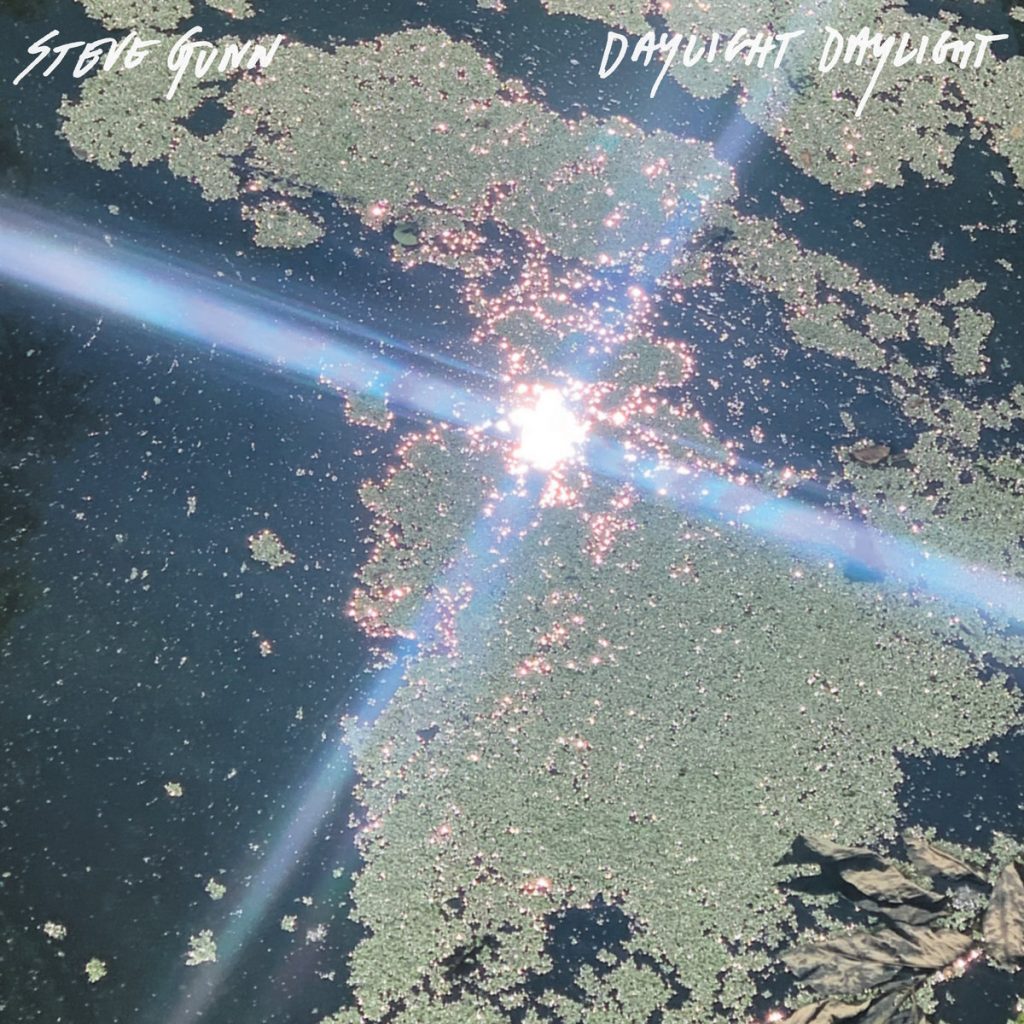
Daylight Daylight is organized around some questions that can be categorized as either journalistic or clinical. What time is it? Where am I? Who’s around? Steve Gunn is probably not alone in feeling a bit disoriented in these post-reality times. While the Brooklyn-based guitarist, singer and songwriter’s albums in the 2010s felt like they were leading up to some sort of apex, his recent efforts are more of a moment-by-moment effort to figure out where he’s at and where he’s going.
On Daylight Daylight, he has removed the sonic guardrails that kept his ascent on course. Gone are the slow-burn choogle of his band performances and the understated smolder of his electric leads and steel-string-acoustic finger-picking. In their place is a made-at-home pocket-orchestra sound that has been mainly realized by Gunn and producer/arranger James Elkington, with a bit of help from some Chicago-based strings and woodwinds players.
From a distance, Daylight Daylight seems like some lost singer/songwriter effort from the 1970s, the sort of record that gave the suits in accounting a headache but is revered by the few who heard it. But if you listen close, the anachronistic combinations of instruments and hints of electronic glue holding the acoustic sounds together let you know that it doesn’t come from the past; it occupies a virtual temporal space. This uncluttered, bespoke sonic setting persuasively frames a set of songs that mull over missed friends and mutually misunderstood observations, often related with a gentle bleariness that suggests that Gunn’s narrating characters have crossed a few too many time zones in too little time. Ironically, that effect makes Daylight Daylight an ideal LP to spin at the end of the night. [No Quarter]
—Bill Meyer