
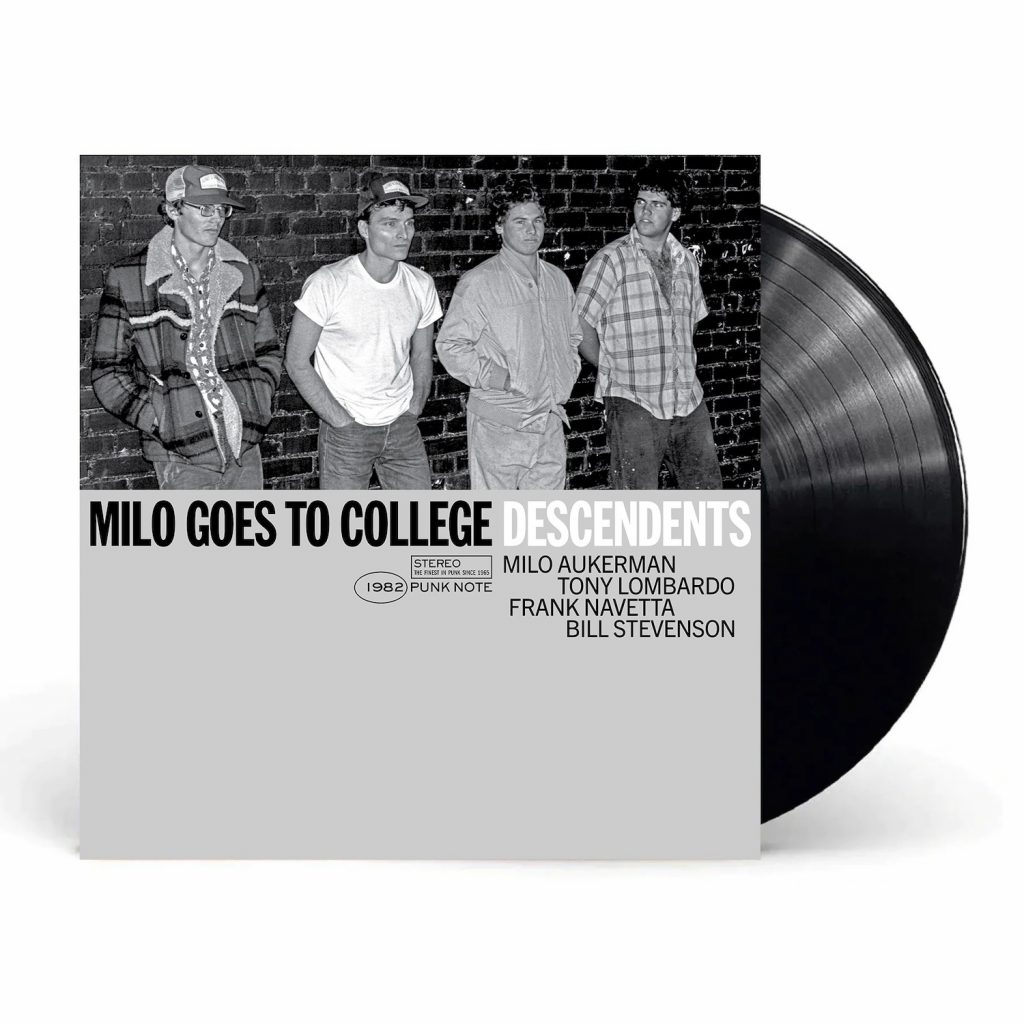
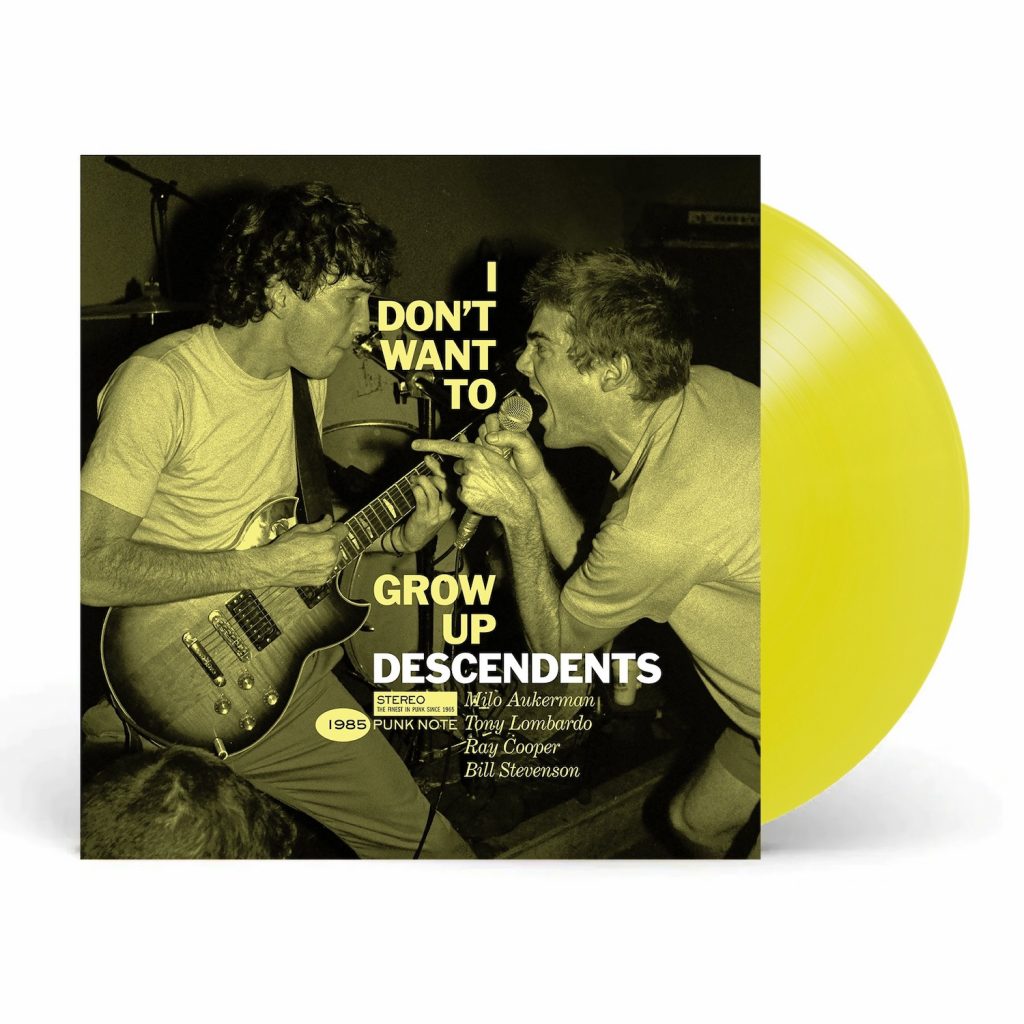
After a “pretty easy” run-in with the copyright revision law, the Descendents have regained the rights to their influential early output. The West Coast punk legends are celebrating with a series of edgy, nostalgia-tinged reissues via Org Music. First up in September was the SoCal quartet’s initial salvo, 1982’s Milo Goes To College, which served as a breathlessly irreverent blueprint for so many bigger bands in its wake. Now, just in time to blow out 40 birthday candles, I Don’t Want To Grow Up is available on LP, CD and cassette, alongside a Punk Note LP edition in retro-style packaging.
Recorded while frontman Milo Aukerman was still studying at UC San Diego, I Don’t Want To Grow Up was originally released in 1985 on the New Alliance label founded by Minutemen’s D. Boon and Mike Watt. Title aside, the album showcases a more mature Descendents and a noticeable uptick in memorable hooks and more refined songcraft.
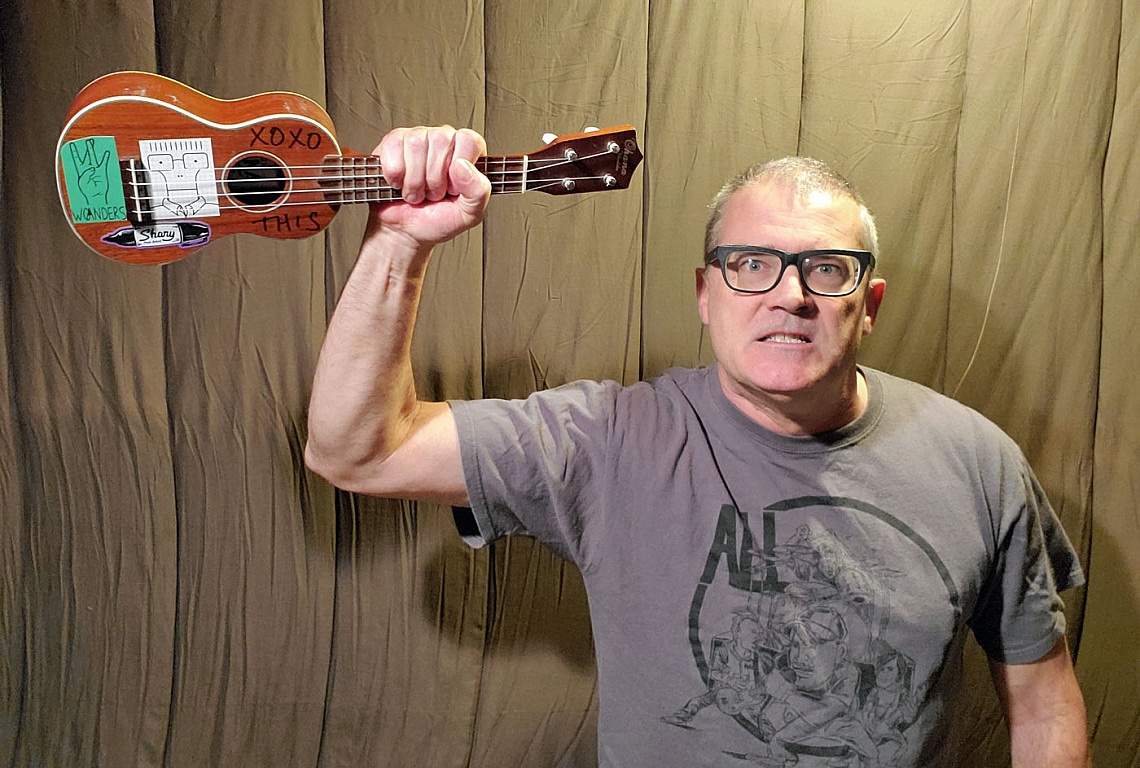
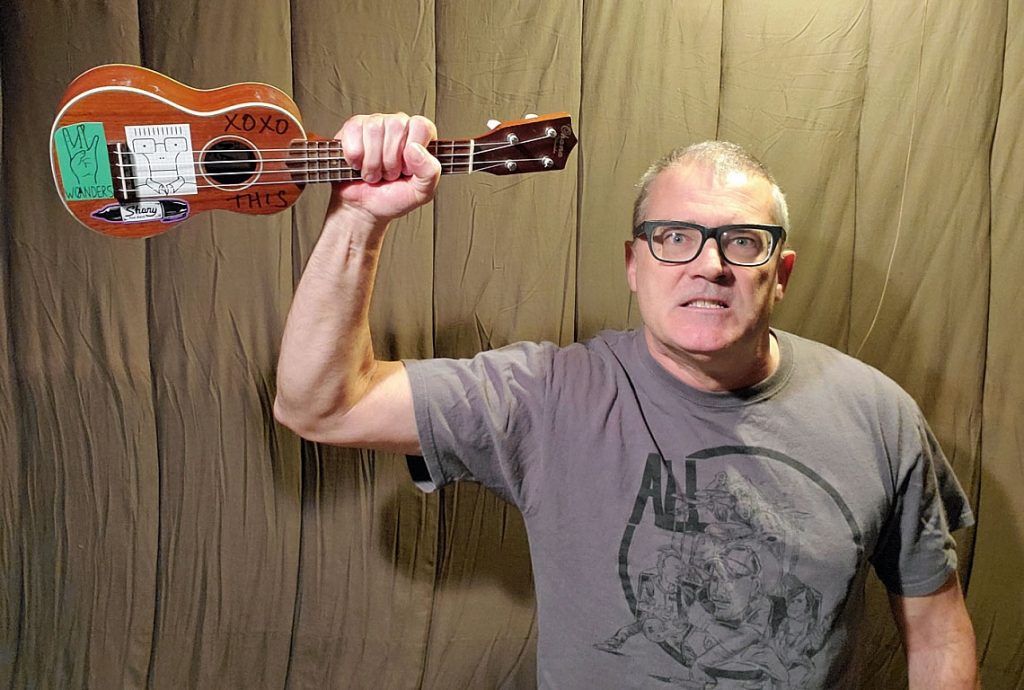
Aukerman took a recent amble down memory lane with MAGNET’s Hobart Rowland.
What was the state of the Descendents before recording I Don’t Want To Grow Up?
In 1985, we were on hiatus essentially. I was down at school in San Diego, not really thinking about playing when (drummer) Bill (Stevenson) invited me up to Los Angeles to hear some demos he’d done, including “Silly Girl” and “Good Good Things.” He just had the backing tracks, minus vocals, so he sang them to me while playing the backing track. I was totally blown away. I told Bill I had a few songs of my own, plus we knew (bassist) Tony (Lombardo) had some. So we started practicing again with Ray Cooper on guitar because Frank (Navetta) had already moved to Oregon.
We didn’t have a practice studio, so we rehearsed in Tony’s garage in Long Beach. We had to play at low volume, because of no soundproofing and Tony’s neighbors. Bill even played on a toy drum kit to keep it quieter. After many such practices, we recorded in Hollywood over the span of a few days. I came up from San Diego during a break in my classes.
Looking back, what do you see as the most prominent areas of improvement on the second LP?
It’s where we scratched our itch for Beatlesque pop as best we could. We were huge fans of the Last, a hard-edged power-pop band—and suddenly, melodies and harmony came to the forefront. I felt like I’d improved enough as a singer to sing these poppier melodies, with Bill’s encouragement. We all wanted to try something a little more sophisticated than just in-your-face punk bellowing.
How did you hook up with Mike Watt and D. Boon?
We’d already played a bunch of shows with the Minutemen in 1980-81, including driving up together to San Francisco at least once. They were one of our favorite bands, and they must’ve liked us, too, because at some point Mike offered to put out the Fat EP on their new label, New Alliance. Fat, Milo Goes To College and I Don’t Want To Grow Up were all New Alliance releases.
What goodies can fans expect from the reissue?
They’re completely faithful to the originals, but we’ll also be releasing so-called Punk Note versions of each album, which are meant to look and feel like the old Blue Note jazz records. Org Music has also done this style of release for Bad Brains albums.
Would you throw out a few choice memories from the sessions for I Don’t Want To Grow Up?
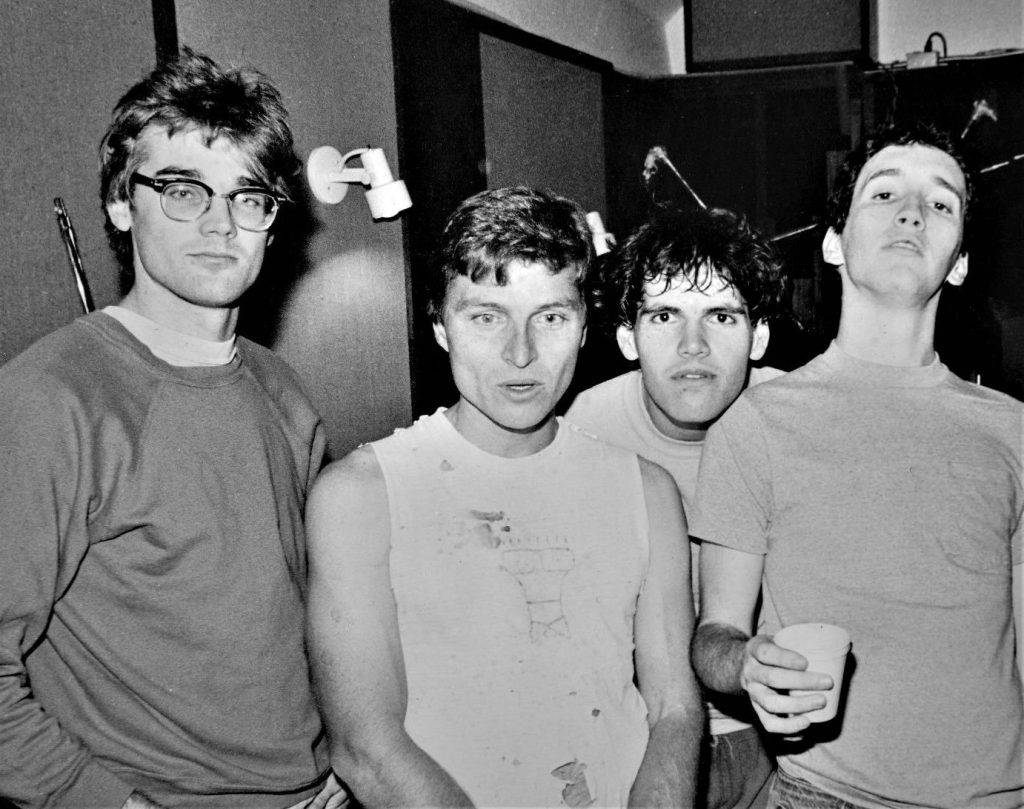
I remember some real goofy photos taken to document our food and coffee consumption during the sessions—like one where we made a human waterfall with coffee cups. I remember tracking “Silly Girl” and Bill saying, “You sound like Bobby Sherman,” whose music I hadn’t heard. But I took it as a compliment anyway. I remember Bill getting his first introduction to music engineering, taking over for Dave Tarling when he became ill at one point. I also remember playing a rough mix of “Silly Girl” for my older brother, who’s not even remotely a punk fan, and him yelling ecstatically, “That’s so rad!”