
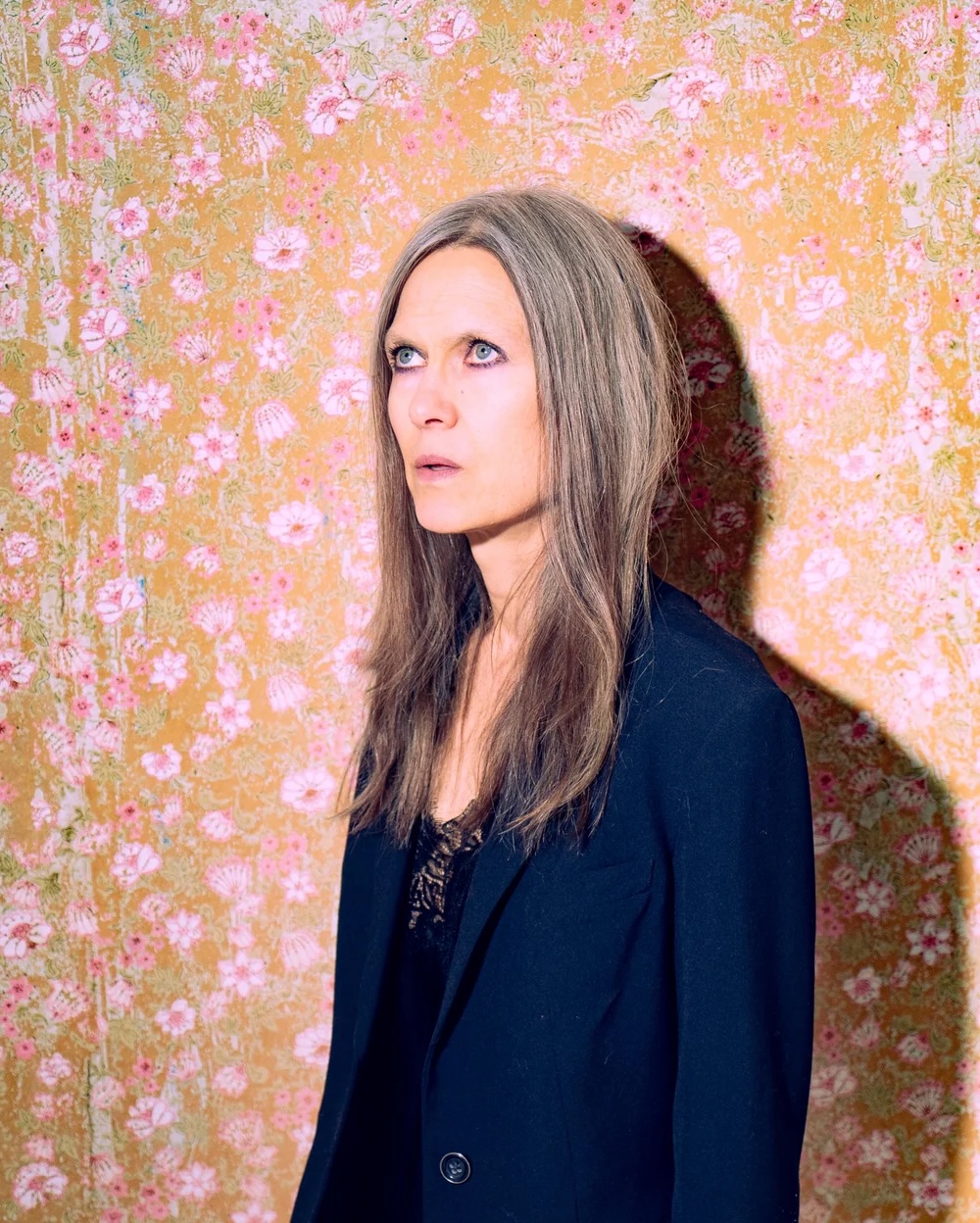
You may have heard this before about an artist who’s been notably fearless about subject matter, but we’re putting out there anyway: Juliana Hatfield’s 21st album may be her most personal yet. Throughout her early stint with coed college-rock notables Blake Babies and three decades of solo work, Hatfield has turned perceived vulnerability into an enduring artistic flashpoint. Though reluctant to acknowledge this out loud, she’s indie royalty at this point, serving as a touchstone for a good number of today’s most celebrated female-fronted acts, from Waxahatchee and Blondshell to Ratboys and Wednesday.
While emotional resilience has been a hallmark of her songwriting, Hatfield was going through an especially difficult time when she started work on Lightning Might Strike (American Laundromat). She’d just moved from her longtime Cambridge apartment to a more rural area near Amherst in western Massachusetts. Isolated and grieving after the death of her dog and best friend (more on that later), she was also dealing with her mother’s cancer diagnosis. The new songs bubbled up from the mire of loneliness and depression. The album’s title is rooted in another family tragedy: Hatfield’s uncle was struck and killed by lightning at just 16, convincing her mom that there’s a predetermined plan for each of us.
MAGNET’s Hobart Rowland recently touched base with Hatfield to get more details on her latest release.
While much of your work over the years has been confessional in nature, this new LP seems especially so. What was going on in your head as you were writing the material for Lightning Might Strike?
I’d just moved from the Boston area after nearly 20 consecutive years living in the city, so I was feeling uprooted and unsettled. Then a bunch of other things jolted my equilibrium. A close friend died, my dog died, and my mother was diagnosed with cancer … She’s currently in remission. That’s what I was thinking about when working on the album. I was trying to process my way through all of this—or at least document some of how it felt.
This album’s recording process was truly a remote affair. Would you elaborate on that?
I recorded all my parts in my house on a laptop. Then drummer Chris Anzalone and I worked on arranging the parts from a rehearsal space near Cambridge. With both of us wearing headphones, I sat there on the floor while he played and recorded along to my tracks-in-progress. Bass player Ed Valauskas recorded his parts from the studio he manages (Q Division) in Cambridge. Then we sent all the final choices to be mixed by Pat DiCenso, who works from his house near Boston.
How did the rural surroundings of your new home figure into the overall vibe of Lightning Might Strike?
Not too much. I think it just gave me more space to contemplate how I wanted to express what I was trying to express, without many distractions. But I’m really good at generating my own distractions from within. It’s not like I don’t have a TV. Or a wandering mind.
The last time we spoke, it was for a podcast on Blake Babies’ Sunburn, where we discussed Evan Dando’s role in the album and wondered whether he had another comeback in him. What are your thoughts on the latest version of the Lemonheads and Evan’s memoir?
I haven’t read the book yet. I’ve also not heard the album yet—except for the songs I sang on.
Fort Apache Studios’ Gary Smith also gave a great interview for that podcast and sadly passed away not long after. How did his death impact you?
Well, when I mentioned the death of a close friend, I meant Gary. He was a really important person in my life … one of the most important, smartest and supportive of what I was trying to do with my life and music. We were planning on buying property together, with each of us having our own house but sharing other things, helping each other out as we got older. His death has been a huge loss.