
It’s been said that to truly grasp Bob Weir’s approach to the guitar, you have to understand McCoy Tyner. The Grateful Dead’s late cofounder once described his efforts to “imitate” the moves of John Coltrane’s legendary piano player as his “dirty little secret.”
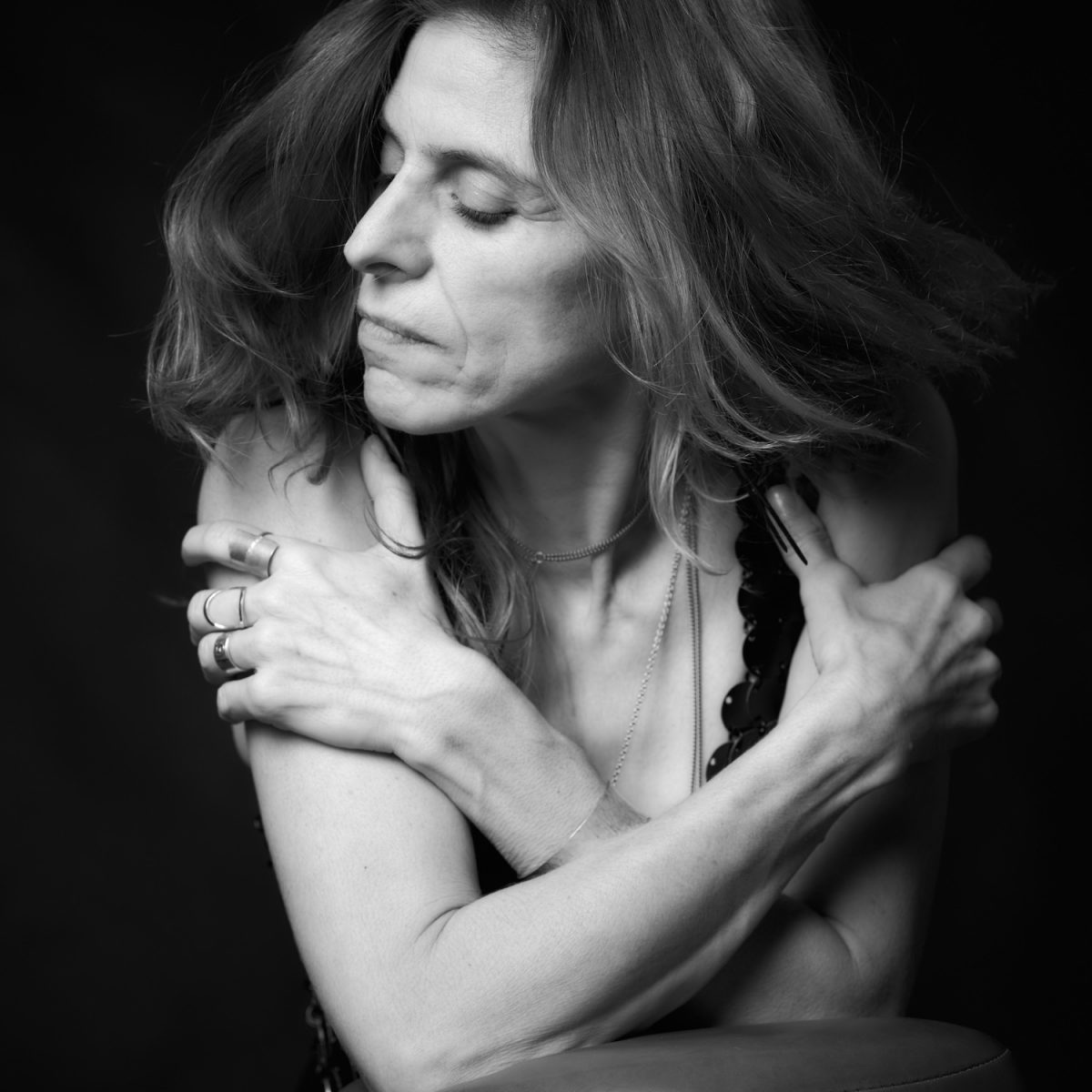
Muriel Grossmann has her own connection to Tyner. “He’s my favorite pianist,” says the acclaimed saxophonist and composer, who grew up in Paris and was raised in Vienna. “His compositions reflect this profound urgency for innovation in the music.”
Back in the 1970s, Tyner albums Sahara, Extensions, Song For A New World and Fly With The Wind were the foundation of the spiritual jazz movement central Grossmann’s musical identity and award-winning career. Her latest LP, Plays The Music Of McCoy Tyner And Grateful Dead (Dreamland), couldn’t be a more timely tribute given the recent passing of Weir.
“For the album, I approached both their music the same way I approach my own music, because it was the only way I could serve the music the best I could,” says Grossmann. “We approached it as a live show and tried to capture everything in as few takes as possible.”
Grossmann walks us through each track.
—Hobart Rowland
1) “Walk Spirit, Talk Spirit”
“This is one of the most representative tunes from McCoy Tyner’s ’70s recordings. It first came out in 1973 on Enlightenment, recorded live at the Montreux Jazz Festival. Like every good tune, it’s very flexible, and there are many ways you can play it. The group on my album includes Radomir Milojkovic on guitar, Abel Boquera on Hammond B3 and Uros Stamenkovic on drums. We started working together in 2022 on my album Universal Code. I knew they could ‘walk and talk spirit.’”
2) “Contemplation”
This is McCoy from the ’60s, when he played with John Coltrane. It reflects the closeness, unity and love they felt when playing music together. It’s engraved in the very fabric of this tune and brings you right there. It first came out on 1967’s The Real McCoy. The ’60s were also a very creative time for McCoy. Aside from this one, he released seminal works like Expansions, McCoy Tyner Plays Ellington and Reaching Fourth. I’ve always loved playing this composition because of its endless melodic possibilities. The band was really stretching musically on this one. You can hear each of them going beyond what they know—and that’s where the real music starts to happen. Great compositions allow you to do that.”
3) “The Music Never Stopped”
“A great piece of music that represents the Dead’s more structured, song-oriented, arranged style. The song first appeared on 1975’s Blues For Allah. It contrasts well with the next track, “The Other One,” which represents the more improvisational, adventurous and experimental side of their music.”
4) “The Other One”
“This tune first appeared on 1968’s Anthem Of The Sun and later in many different live versions. What I’ve always liked about the Dead’s music is that it’s so inclusive, open and ever-changing. Those are the same values shared by jazz musicians in their approach to music. For a working musician, it’s very important to learn different ways to play and compose music. With my earlier releases, like Birth Of The Mystery and Earth Tones, I explored different aspects of music that I wanted to study at that particular time. The same thing happened with Golden Rule and Reverence. Each album captures a moment in time when I was musically investigating—but there are threads that bind all of the albums together into a whole.”