
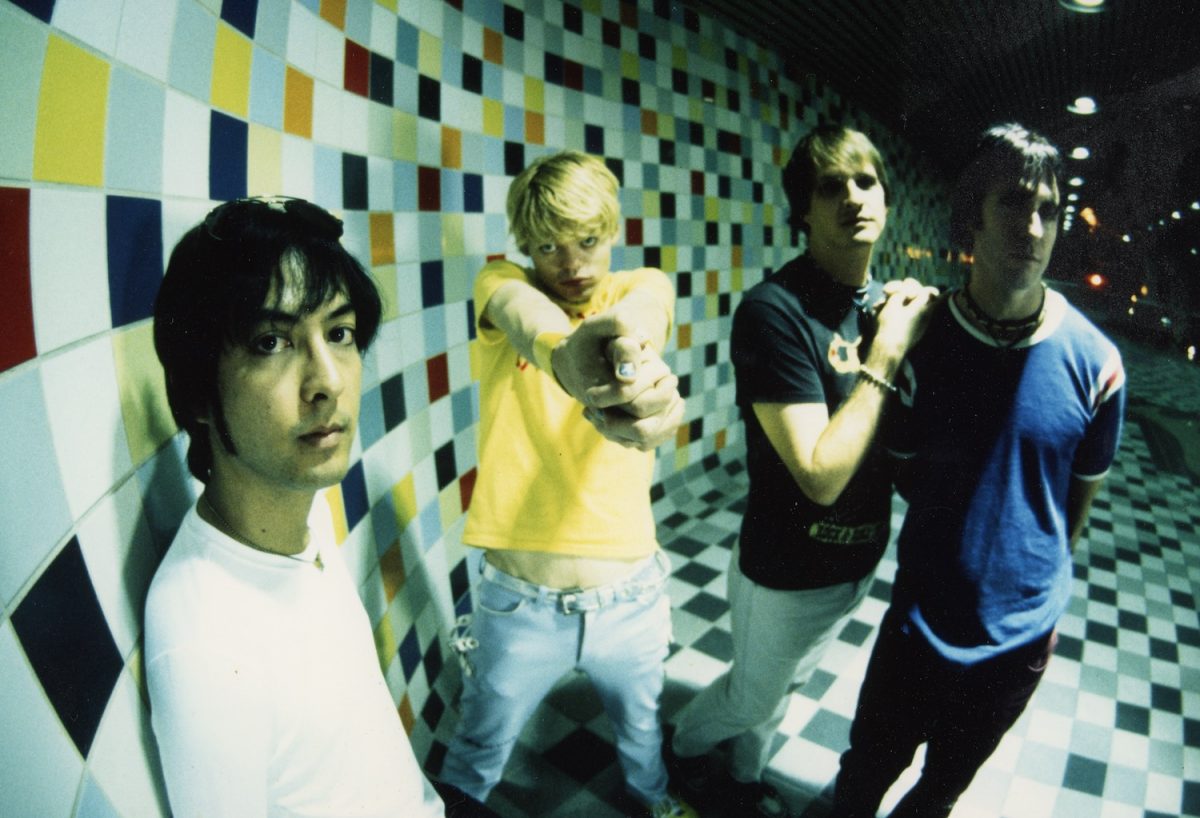
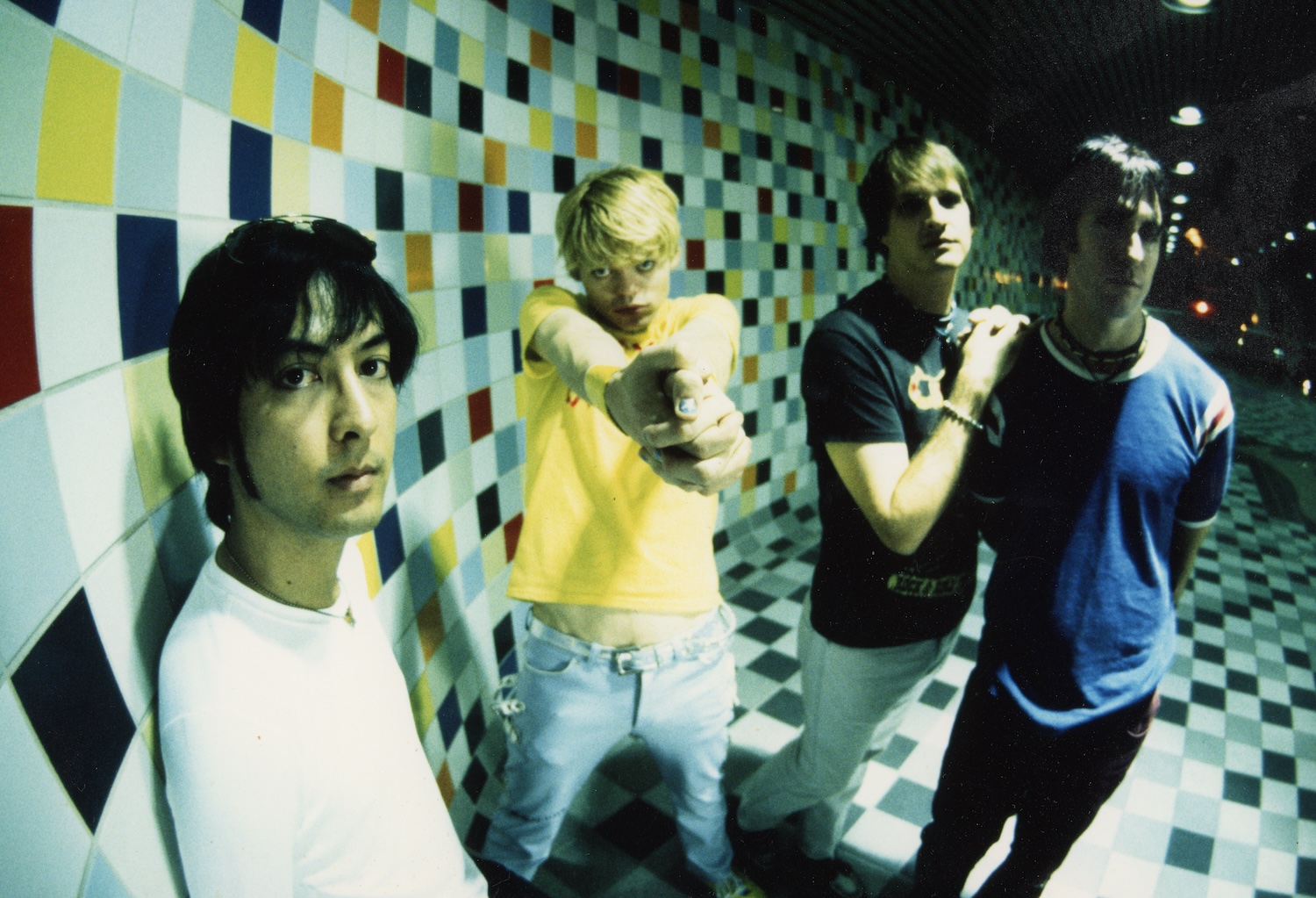
The history of rock ‘n’ roll is littered with woulda, coulda, shoulda bands that, for one reason or another, never caught fire with the listening public. L.A. quartet Tsar certainly falls into the “what-if” category, as its catchy-beyond-belief tunes—“Calling All Destroyers,” “Silver Shifter” and “Kathy Fong Is The Bomb,” all off the band’s 2000 eponymous debut—should’ve been pouring out of every Discman and early-aughts portable media player if there were any musical justice. Melodies, choruses, cryptic lyrics—everything blends together in such a seemingly effortless and perfect way that after one listen, you say, “Of course the song goes like that—the universe decreed it.”
Like the kids said back in the day, Tsar really was the bomb. Although the quartet ticked all the successful music-career boxes (fantastic tunes, appearances on late-night TV programs, a tour opening for Duran Duran), somehow, it faded after releasing just one more album, 2005’s Band-Girls-Money.
But, the good news is we still have the music, and Tsar has built up a dedicated following of loyal fans. Last fall, Omnivore Recordings reissued The Drugboy Tapes, an album’s worth of demo versions of songs found on Tsar’s first record. The sound is a bit shaggy and lo-fi, but all the elements that made Tsar such a power-pop classic are on full display.
MAGNET’s Bruce Fagerstrom caught up with Tsar frontman Jeff Whalen by email to ask about songwriting influences, demo recordings and hearing his band on TV.
Your debut record feels immaculately constructed but not precious. When you listen back now, what parts sound like instinct and what parts do you remember agonizing over if any? Harmonies, guitar tones, arrangements or sequencing?
Thanks! I’d say the songwriting was done on instinct, but when we went to actually record, everything was agonized over. That record was definitely the hardest record to make of any I’ve been involved in. There was nothing easy, much less peasy, about it. Lemon-squeezy? Surely you jest!
Every note, every vocal, every guitar stab was thought, double-thought, tripled-tracked, then erased and begun again. To me, it didn’t seem like we were taking the opportunity seriously enough if we weren’t pulverizing every detail.
We’d never been in a real recording studio before and we were in there with all these super-experienced-type professionals: big-name producer, engineers, assistant engineers, drum techs, whatnots, so a lot of it was trying to figure out how to pretend that it wasn’t ridiculous for us to be there. The band had a buncha-buncha burnin’ imposter syndrome going on, or at least I know I did, so we were busy trying to exude big confidence by being super-rehearsed and ambitiously minded.
Power pop sometimes gets a bad rap as a genre name from practitioners, but how do you feel about it with regard to Tsar?
Funny enough, I didn’t know for years that power pop had a negative reputation. Nobody ever told me! I think I found out from our second A&R guy at Hollywood Records in 2002 as we were getting ready to record our next album. He said, “I love power pop, but I’d never sign a power-pop band.” I said, “Oh yeah? Why not?” And he said, “Because they don’t sell any records.” I said, “Really?” And he said, “No, they don’t.” And I said, “They don’t?” And he said, “No, they don’t.” And I said, “Oh.”
I don’t remember people calling us power pop back in the day. I mostly remember us trying to not be thought of as a glam band, which is what we were associated with back in our getting-signed days in Hollywood, so we thought glam was the dangerous potential pigeonhole to avoid.
To me, we were wearing our glam influences on our sleeves with power pop just being one of the numerous influences in the mix, along with metal, bubblegum, classic rock, punk, what-have-you. I feel like people only started calling us power pop later on.
It’s definitely cool with me if people think we’re power pop, but it bums me out to get pre-dismissed because of the label, which has for-sure happened. Which is probably why it’s so common for bands to not like the association.
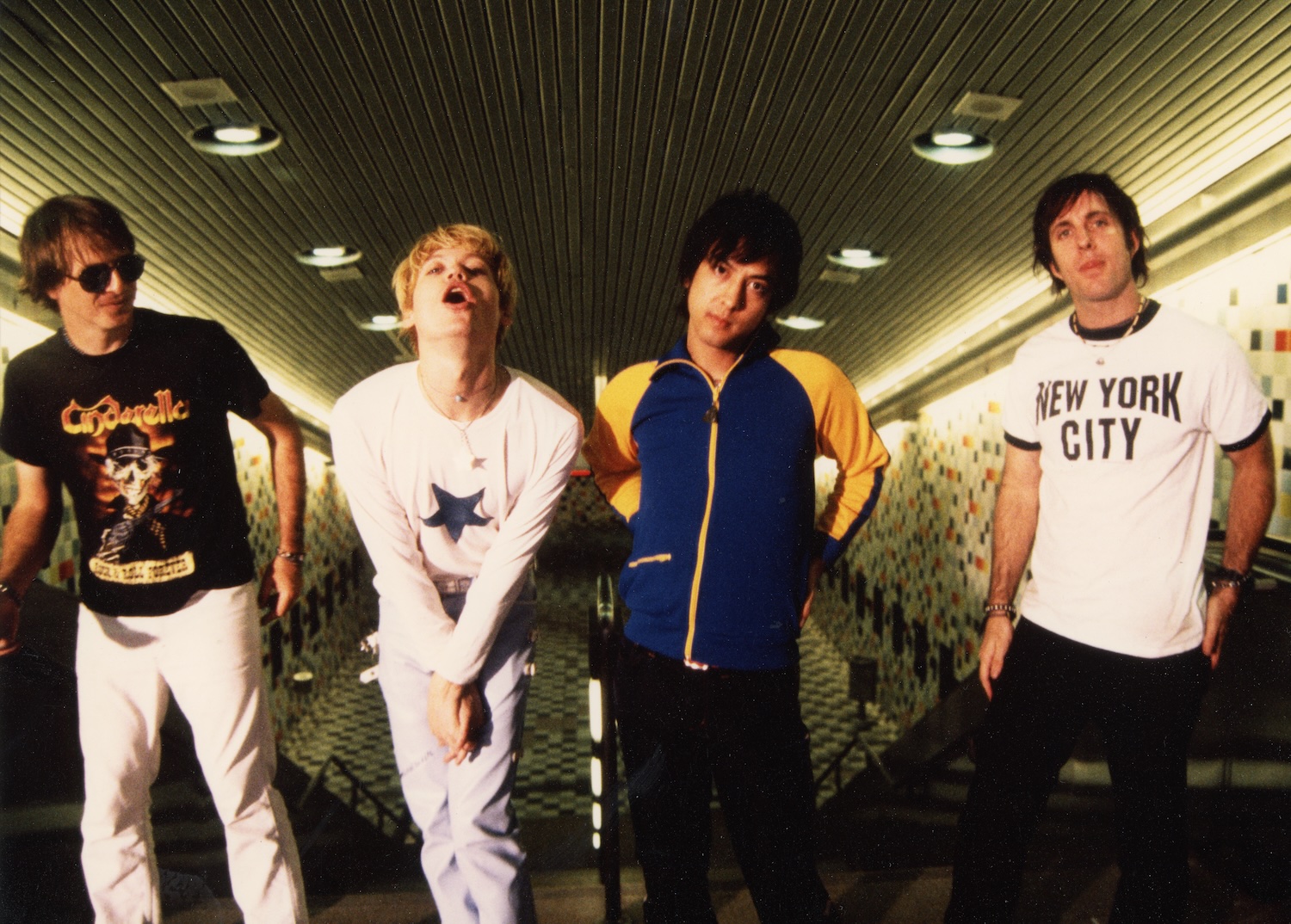
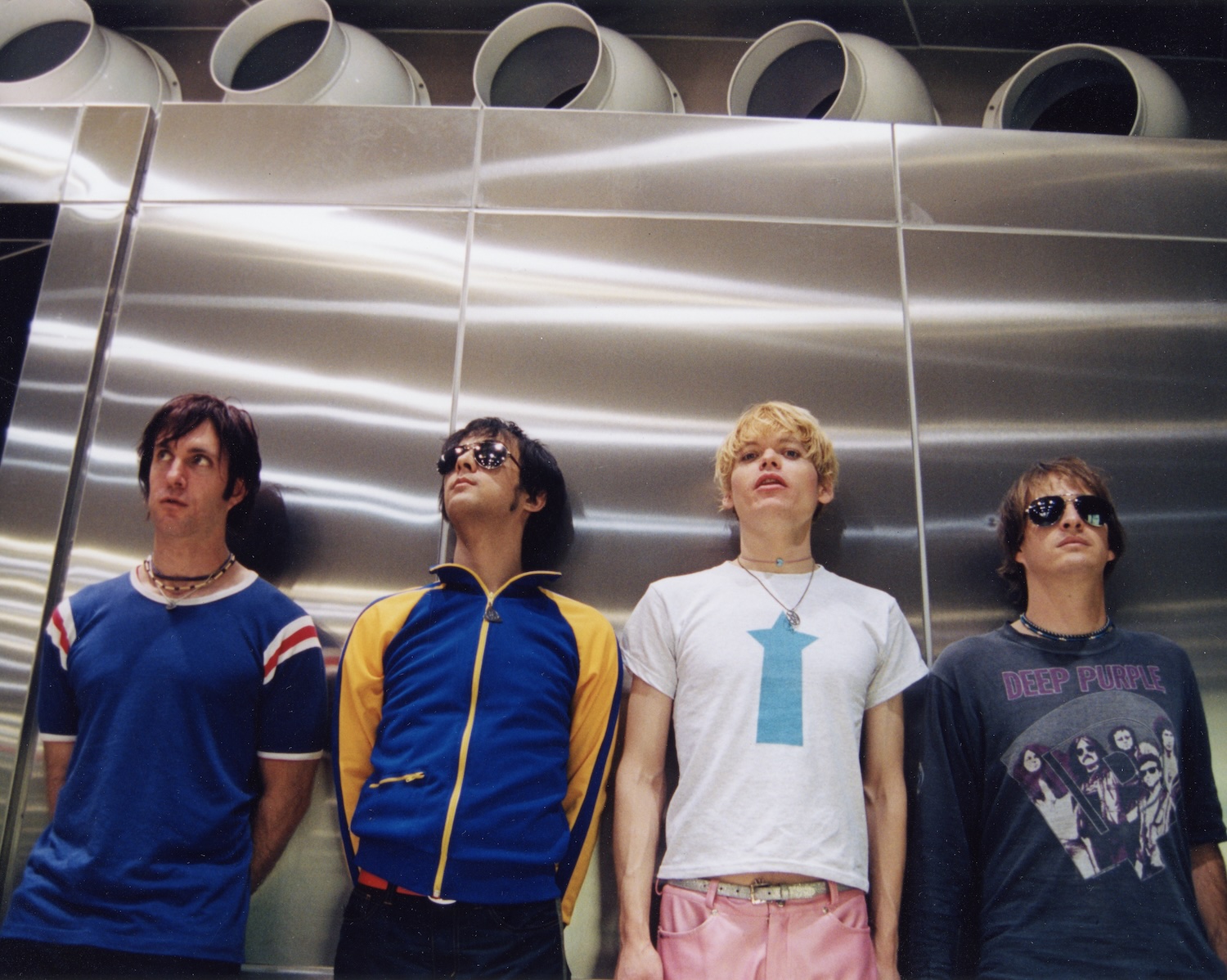
Your melodies are immediate, but they don’t feel nostalgic in a retro sense. Were you actively engaging with older power-pop touchstones at the time, or were those references something critics projected onto the record after the fact?
Thank you! As the songs were being written I was listening to a lot of what you might call power-pop-adjacent groups—bubblegum, glam, Spice Girls, Kiss, Olivia Tremor Control—but not necessarily according-to-Hoyle, statutorily defined power pop. I loved the Raspberries and Get The Knack and “Shake Some Action,” but at that moment, I was more drawn to bands and songs that were more otherworldly, more fantastic.
But again, I didn’t have a strong sense or definition of what power pop was or its connotations. Example! Just before recording The Drugboy Tapes, I had bought a copy of 20/20’s first record at a thrift store based on the cover, never having heard of them before, and got super into “Yellow Pills.” But I wouldn’t have considered them or that song power pop, exactly. I was drawn to the fantastic-ness of “Yellow Pills,” its optimism, its promise of a new made-up reality of tight pants, cool hair, drugs and everybody feeling groovy. It made me feel magical things I wanted people to feel when they heard our music.
To me, The Drugboy Tapes sounds exactly how you’d want a demo collection to sound. Rough around the edges but still revealing how the songs took shape. Computers have made creating semi-professional recordings at home much easier. Do you think that changes where the emphasis falls, on the recording itself versus the strength of the song? Or is the whole idea of analog “romance” just something we project onto older records?
I think you might be onto something there! A&R guys always tell you that they don’t need a high-quality demo, that they can hear the song regardless, but it’s not so. A good-sounding demo of a mediocre song will likely take you farther than a mediocre-sounding demo of a good song.
There’s probably a bunch of factors, but what you’re saying may be partially responsible for altering the pop-rock music value structure, ‘cause it does seem to me that hits on the radio and songs on albums these days don’t have the same hook requirements that used to be necessary.
But I’m a luddite, truly, especially when it comes to art. I don’t believe that computers have made any art better.
Between Britney Spears, nu metal and the advent of bands like the Strokes, I suppose popular music was moving in many directions when your debut was released. What was the music scene like in Los Angeles at the time?
I remember there being a lot of different types of bands around L.A. without there being a namable, describable scene, per se. You had your indie bands, your ska bands, rockabilly outfits, post-grunge set-ups, your fellas still trying to be Pavement or maybe Weezer. You had your Beck-style guys with DJs and loops and whatnot.
We were always on the search for like-minded bands to play with but never really found many good matches. That problem persisted after the record came out.
“Silver Shifter” got played during an episode of the Freakylinks TV show back in 2001, which seems a bit of a random placement. How did that come about? It’s a great song.
Yeah, I dunno! I never know how any placements ever happen. I think Freakylinks was the first show or movie to use any of our songs, and I think they used three of our songs in one episode. As I remember, the show was advertised as an X-Files for teens kind of show. We watched it at my apartment. I got nervous each time one of our songs came on. I don’t know if other bands feel that way when their music is used in a movie or whatever, but I still do.
Any plans for new Tsar music in the future?
There aren’t any specific plans, but I’ll say something’s bound to happen.