
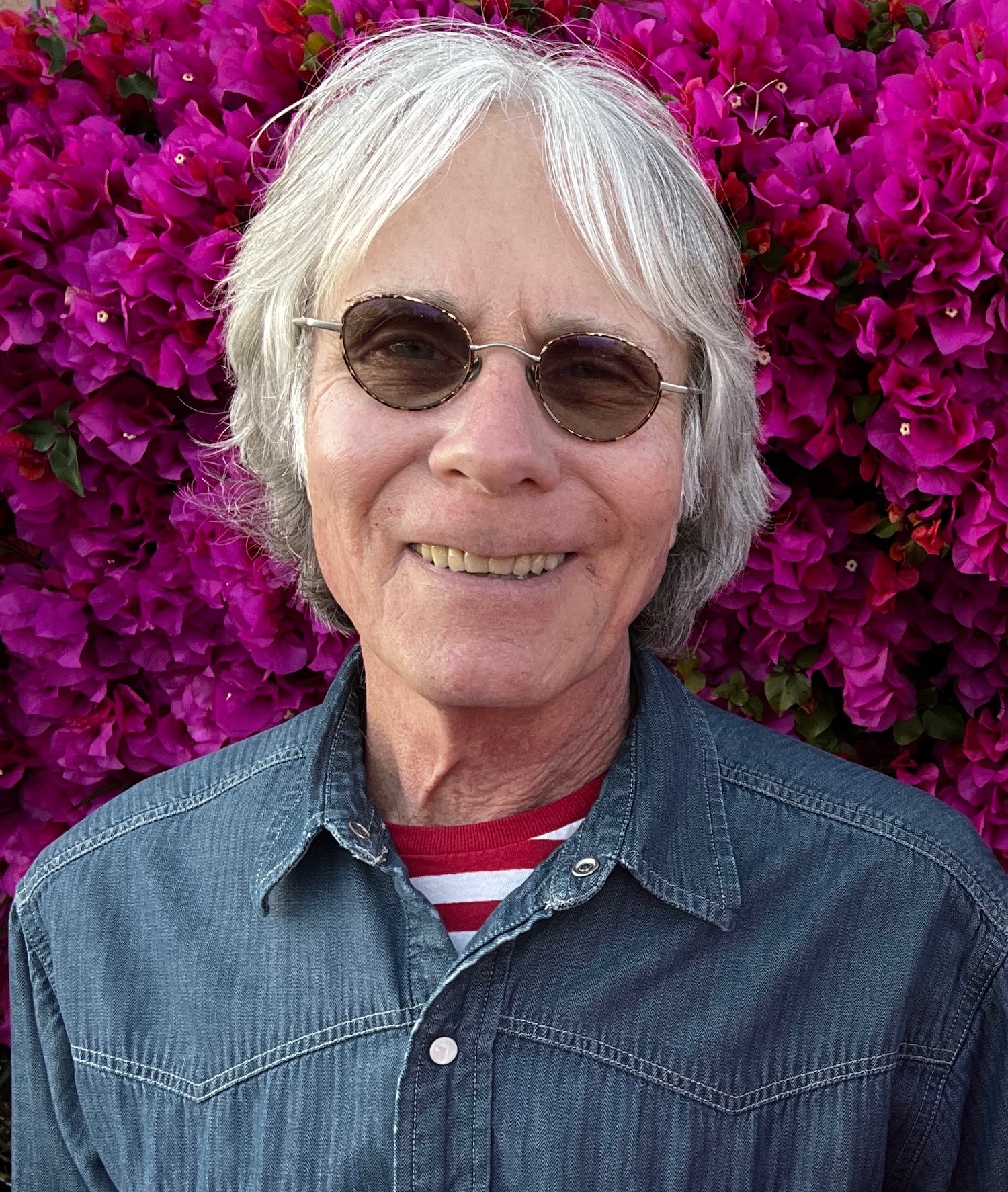
A new archival release devoted to Bob “Slim” Dunlap feels less like a catalog tidy-up and more like a rescue mission. Best known for replacing Bob Stinson in the Replacements and helping guide the legendary band’s more refined late-era sound, Dunlap was deeply admired but commercially overlooked. Every Little Word (Medium Cool/Curation) aims to change that, combining the late guitarist’s two solo LPs (1993’s The Old New Me and 1996’s Times Like This) with 22 rare, previously unreleased demos, alternate takes and live cuts, many salvaged from cassette work tapes. Curation recently sold out of the double-CD set. Fortunately, it’s also available for streaming, and you can order it digitally.
Every Little Word was assembled by Dunlap’s widow Chrissie, daughter Bee (Emily) and longtime friend, collaborator and Twin/Tone label co-founder Peter Jesperson, who also co-produced the release and wrote liner notes. The timing coincides with a shift in Dunlap’s publishing catalog intended to boost film and TV placement, encourage covers and improve the collection process for international royalties. Far more than a promotional tool, Every Little Word traces Dunlap’s evolution from basement tinkering to late-period recordings, including multiple versions of songs he never felt confident releasing.
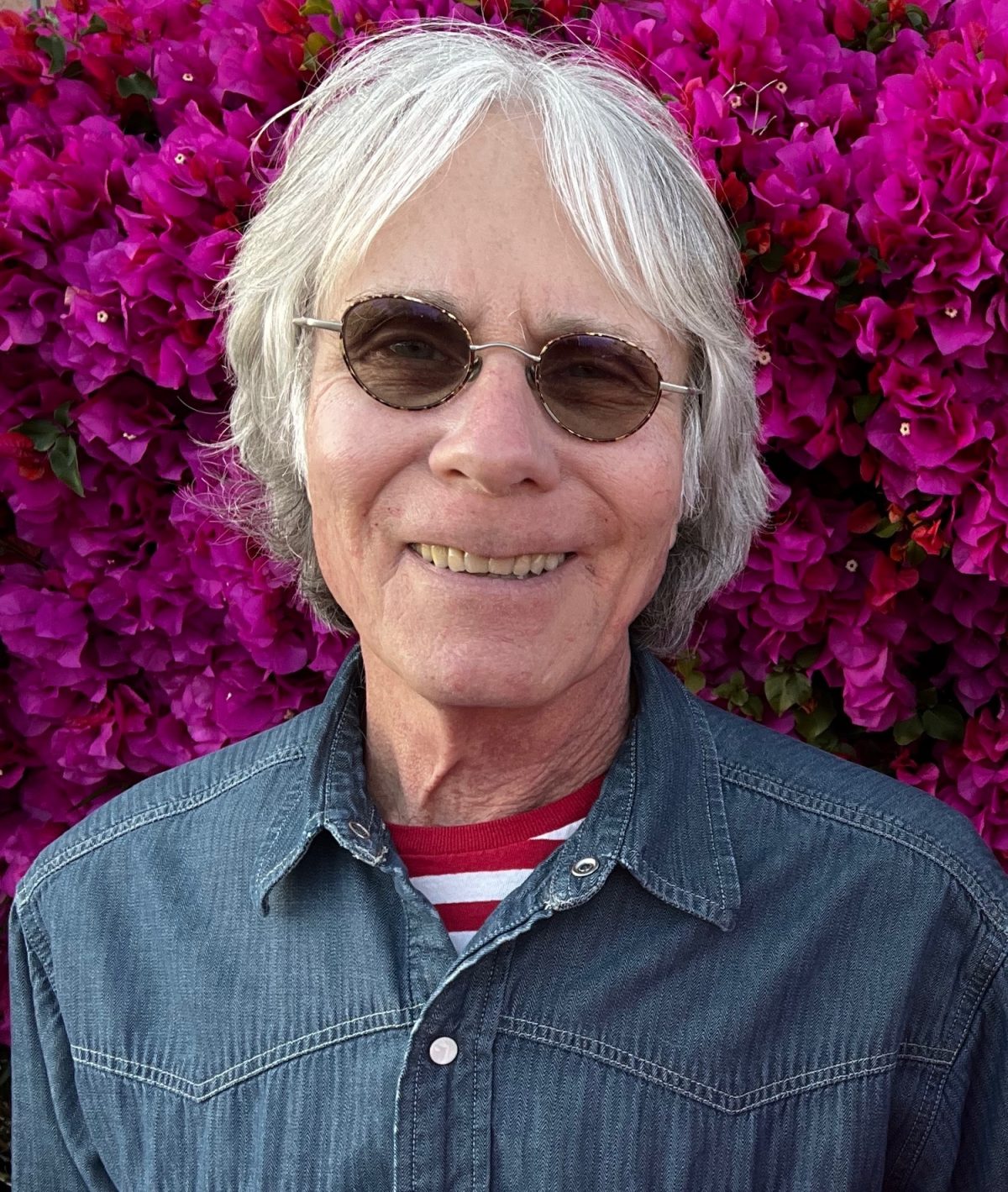
MAGNET’s Hobart Rowland reached Jesperson via Zoom at his Los Angeles home. Among other things, the conversation touched on the Minneapolis years, the many merits of the new compilation and why Dunlap’s quiet brilliance still resonates—even with the Boss.
Why was now the right time to assemble a comprehensive Slim Dunlap compilation?
The idea first came to light a couple years ago. We were looking to find a publisher who was a little more aggressive, and we landed a real great deal with Third Side Music in Montreal. I wanted to give them a new tool to help plug Slim’s catalog. In 2015, we’d done double-vinyl reissue of the two studio albums for Record Store Day, and we didn’t want to repeat vinyl. I know people say, “CDs, really?” But they’re happening with indie retail. So we put together this compilation with the two albums and 22 bonus tracks and turned it into the publisher, and they were excited about it.
I really felt the track order was definitive. It’s pretty much every original song Slim wrote that was captured on tape in one form or another. He wrote a lot of songs, but a lot of them never saw the light of day. With him passing in 2024, we just had to go with what was there. I’m very proud of it. We put a lot of heart into it, and I’m pumped.
Dunlap wasn’t a fan of outtakes. How did you approach that?
It was a lot of work but a lot of fun—probably equal parts. When we first started planning, Slim was still alive, and he was really uptight about outtakes being used. Like a lot of musicians, he was of the mindset that they didn’t make the album for a reason. But as we kept finding more stuff, we felt empowered by the quality, even when it was rough.
A great example is “Before She’s Gone.” I usually don’t love it when archival releases stack multiple versions, but we felt it was so important—and the three versions were different enough that they told a story. Two of them were from cassettes because the multi-tracks were lost, so we couldn’t adjust the vocals. That was always a struggle—Slim was self-conscious about his voice. I’d turn the vocal up, and he’d reach over and turn it down. We weren’t fighting—just disagreeing. “Before She’s Gone” had existed since the late ’70s. He recorded it for the first solo record but didn’t like it, then recorded it again for the second and still didn’t like it. I was tearing my hair out because I thought it might be his best song. Another one was “Tearin’ Us Apart.” There was no studio version, but the live take was raw and very strong, so we included it.
What did Dunlap bring to the Replacements?
It was surprising to a lot of people because Bob Dunlap was a generation older than the Replacements. But he had a real sophistication. Part of the reason Bob Stinson left was that he wasn’t adapting to the more sophisticated material Paul Westerberg was bringing in. When Slim came in, he lifted up Westerberg’s ideas in a wonderful way. Somebody once described Slim’s guitar playing as “weird Chinese-sounding.” I understood what they meant—it was unique. He brought a whole new aesthetic. He came in after Pleased To Meet Me was recorded and toured that album. He was around for Don’t Tell A Soul and had input there, including co-writing “Darlin’ One.” Then, with All Shook Down, I think he helped make that record the landmark it is. He brought nuance and musicality to the band that hadn’t been there before.
Were you surprised that Dunlap’s solo albums were critically loved but modest sellers?
I think he was underappreciated. We believed in those Slim records so much when we made them in the early and mid-’90s. They did pretty well, and we got great opening slots with people like Son Volt, Dan Baird and Dramarama. Slim worked hard, toured and played dive bars everywhere with a great band. It just never caught fire for whatever reason. That’s the way the music business works. For every song on the Hot 100, there are thousands that could’ve taken that slot. I’m just trying to help spread his name around more and get his music into as many pairs of ears as possible.
What did Bruce Springsteen’s tribute to Dunlap mean to you?
We started hearing that Bruce was using “Hate This Town” as walk-in music at his concerts, and we thought that was the coolest thing in the world. Then, right after Slim died, Bruce called into E Street Radio and talked about how much he loved Slim. He’d arranged ahead of time to play a cover of “Girlfiend” he recorded with the E Street Band. Slim died on Dec. 18, 2024. On the 20th, someone contacted me and asked if I’d heard the segment, and they sent me the audio clip. It was Bruce talking for several minutes about how much he loved Slim and then playing the cover. I sat at my desk and had tears dripping off my chin. It was very powerful. To have that happen two days after he passed … It meant a lot.