
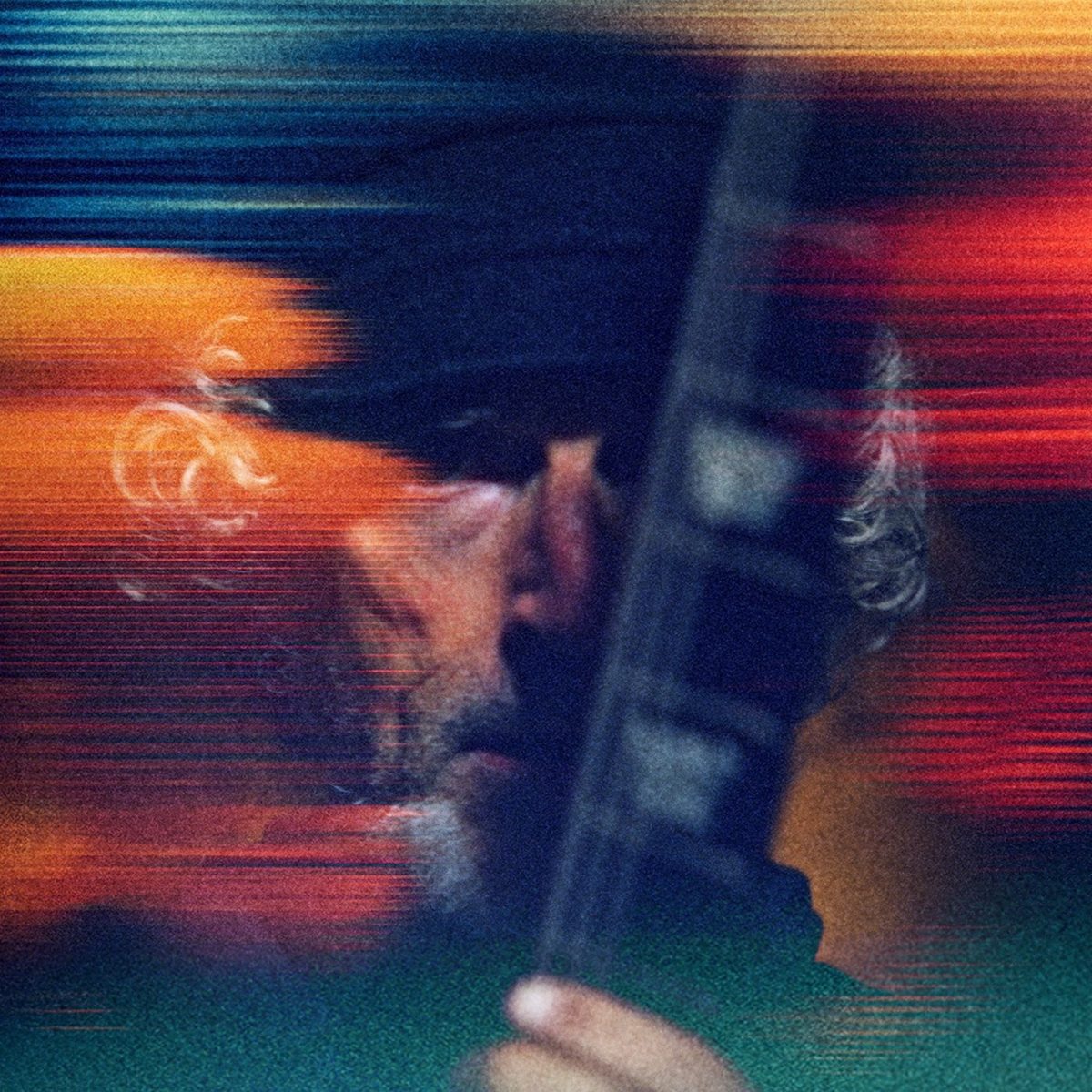
Regardless of how you feel about the music, an argument can be made for Arms Around The World’s designation as a Pacific Northwest version of Clap Your Hands Say Yeah. For one, both band names are a mouthful. And much like CYHSY’s Alec Ounsworth in 2005, Jon Rimmerman seems to have emerged fully formed out of nowhere. A student of classic songwriting, he offsets his eccentricities with a hyper-focused attention to form rooted in power pop, new wave and post-punk. As a result, Arms Around The World (Shy Sounds) is brimming with the sort of sonic curiosities that engage the listener but never amount to distraction.
Moving between the United States and Paris, Rimmerman has had his share of success as a family man and an entrepreneur. The Midwest native arrived in Seattle during the mid-’90s grunge and internet boom, founding Garagiste out of a temperature-controlled garage in 1995. By 2012, it was the world’s largest emailed-based wine business, championing micro-producers in its efforts to connect readers to remarkable vintages.
The music thing, meanwhile, has taken a backseat. But somewhere along the way, Rimmerman managed to convince Grammy-nominated producer Elliott Lanam (Katy Perry, Depeche Mode) to record Arms Around The World at his Hidden City Studios in Santa Barbara, Calif. A major component of the LP’s epic acoustic-meet-electric sound was achieved by placing a mic inside a semi-hollow-body Rickenbacker 330 and running the sound through multiple tube amps simultaneously.
Over two weeks of recording, Rimmerman played every instrument on Arms Around The World. He offers more on each track below.
—Hobart Rowland
1) “Comet”
“After 20 years of wandering the world for Garagiste, my partner told me, ‘You’re like a comet crashing toward earth. No one ever knows where you’re going to land, and neither do you.’ That image stuck. I wanted this song to feel like that uncertainty—ethereal but weighted, guitars layered like paint on canvas, feedback melodic rather than just noisy.”
2) “Denial”
“This was the first song I wrote for the album. I picked up a vintage Rickenbacker in a pawn shop in Santa Cruz and plugged it in to test it. The song spilled out, right there on the floor. The owner heard it and said, ‘I didn’t think it could make a sound like that.’ He refused to sell me the guitar—I had to trade two cases of wine to get him to let it go. That Rickenbacker is on every song on the album.”
3) “Dust”
“I worked on this in a rented apartment near the recording studio. When my neighbor started pounding on the wall because of all the noise, I invited him in, and he stayed to listen. The song opens with a feedback-driven riff, then 10 layers of my voice hit that first word in unison. That’s my family talking to me, telling me that while I put myself out there as this caring and emotive person, they felt left in the dust.”
4) “The Love We Know Is True”
“I recorded the original demo at 3 a.m. in Seattle, staring out the window, longing for resolution. When I tried to recreate it in the studio, I could never get through it without it cracking me open. So I kept the demo. One take, no doctoring, exactly as it came out that night.”
5) “Cloudburst”
“The dark Seattle and Paris winters—damp, cold, constant gray, constant rain—gave me one of the most creative periods in my life. This is the most complicated song on the album musically, but I tried to make it sound simple. It starts with a dry, acoustic guitar, then periodically bursts open with reverb and synth swells.”
6) “Verified”
“Have you ever really verified who you are? I kept asking this question, looking in the mirror. As the song emerged, I wanted to capture in the language and the production the ambivalence of our relentless need to be verified by some outside force, whether it’s the people we love or the systems we’re all caught in.”
7) “Runaround”
“Someone I love was drowning—depression, anxiety, the disorders of our culture—and crying for help. No one noticed. No one came to pick them up, to put their arms around them. The musical arrangement is polished, almost upbeat—no fuzz or feedback. That’s the irony: pop songs about heading down, dressed up to sound like everything’s fine.”
8) “Tell Me What You Want From Me”
“At the end of a relationship, you’re grasping for something to bring it back to basics, to save what you think you still have—but it’s already what you had. This song is my sit-down with my partner, stripped to the most basic question: Tell me what you want from me, and I’ll deliver. The arrangement matches that directness, just acoustic guitar, no layers, nothing to hide behind. The question has to carry the song.”
9) “Tendrils”
“The moment you know it’s over but you’re still holding on. In that moment, it doesn’t matter who was right or wrong, but you need to say, ‘I told you so,’ anyway. How petty. The song is built on repetition—strummed guitar, vocals over an atmospheric cloud, the same phrases circling back. That’s what regret does: It repeats itself until the words lose meaning.”
10) “Not Much Of A View”
“Recorded live in an empty California Bowl, this is another song that was always better rough than anything we tried to recreate in the studio. It’s linear in the best way: no detours, no dynamic tricks. It just knows where it’s going and takes its time getting there.”
11) “Warmth Of Winter”
“For this song, I layered eight to 10 different voices—all mine—and blended them into one … acoustic guitar, Rickenbacker, everything building together. One cold winter morning, after all the trials and tribulations of trying to make the relationship work, I realized I’d never actually told this person I loved them—despite their incredible effort to keep my spirit warm through the coldest nights.”
12) “Nothing Left But Right”
“There are times when the only thing left to do is the right thing. You’ll have many chances to turn left or right, but you usually know which way is right. The song opens with a big guitar riff, then bowed acoustic guitar and mandolin create this murkier, more expansive texture underneath—something pulling against the certainty of knowing what you should do.”
13) “Also Ran”
“This song started as Cheap Trick meets ’70s rock, but I kept pushing it toward something more rockabilly. I’ve been told at various stages of my life that I spend too much time staring at the gray box, that my life would never amount to anything. This song is about deciding that it doesn’t matter. If you have someone who understands you and your dreams, maybe you can walk through life together as also-rans. Maybe that’s enough.”