
Anyone who stopped keeping tabs on Barry Adamson after his ’80s tenure as Nick Cave & The Bad Seeds’ bassist has some major catching up to do. Since first departing the Bad Seeds in 1986, the Manchester, England, native has released 10 studio albums, including 1992’s Soul Murder, which was nominated for a Mercury Music Prize. Over the years, Adamson’s work has spanned a variety of art forms, from ballet scores to soundtracks for documentaries and feature films. In the process, he’s worked with some big names including David Lynch (1997’s The Lost Highway), Oliver Stone (1994’s Natural Born Killers) and Danny Boyle (2000’s The Beach). He briefly returned to the Bad Seeds in 2013, playing some bass on Push The Sky Away and touring with the band.
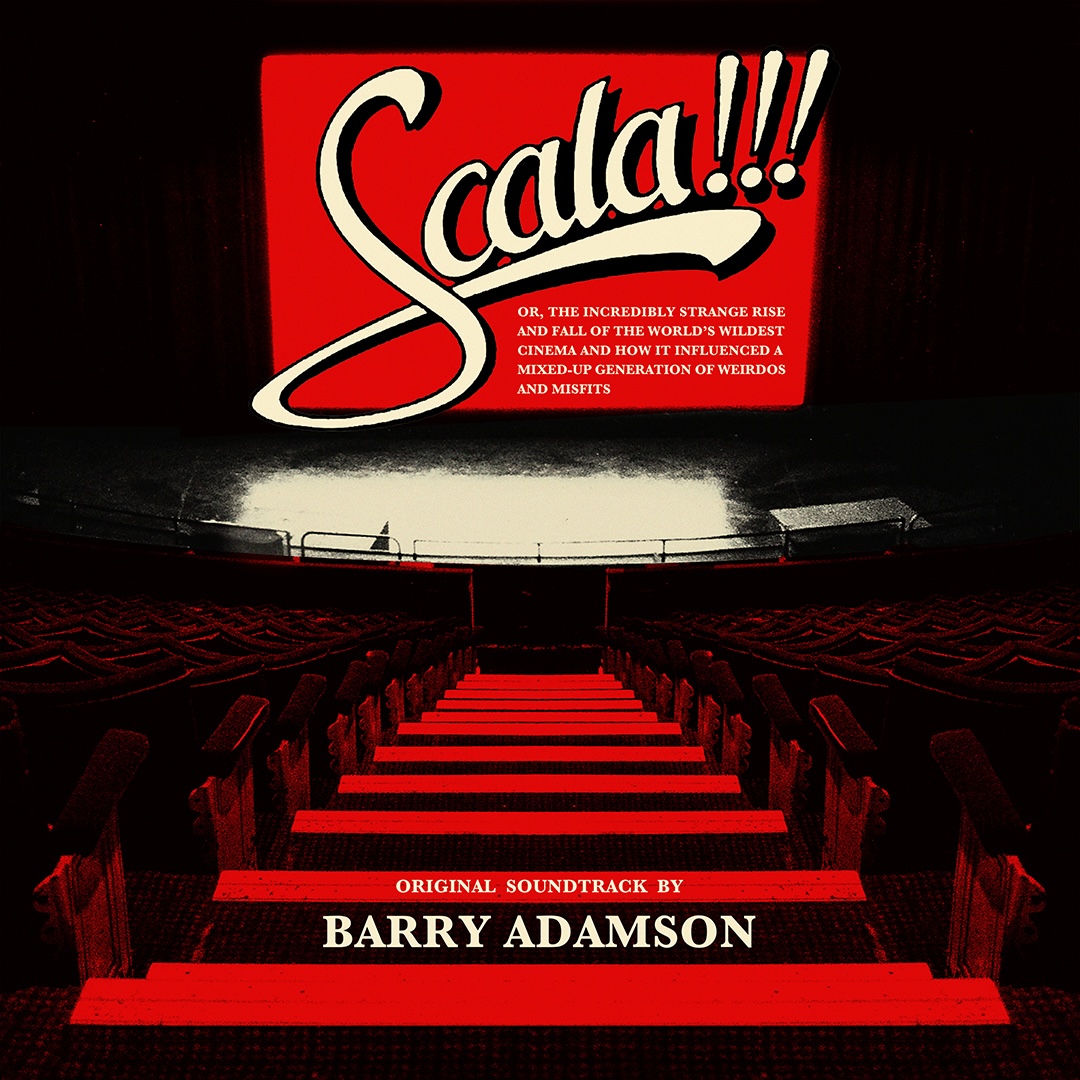
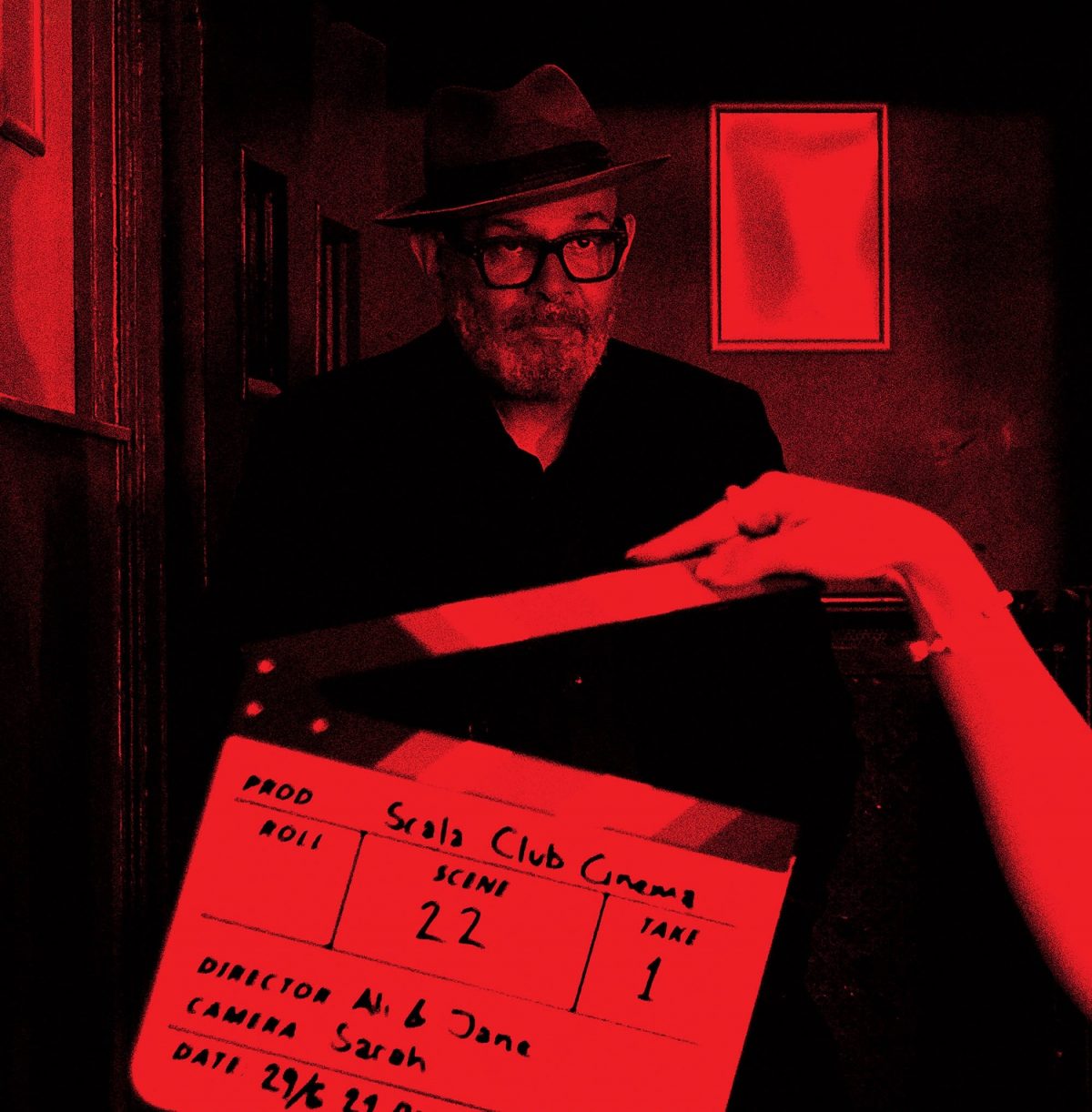
Among his more recent projects, Adamson provided the 22-track score for Scala!!! Or, The Incredibly Strange Rise And Fall Of The World’s Wildest Cinema And How It Influenced A Mixed-Up Generation Of Weirdos And Misfits. The acclaimed 2024 documentary delves into London’s hugely influential Scala repertory cinema. From 1973 to 1993, the venue nurtured such celebrated counterculture auteurs as Lynch, John Waters, Russ Meyer and Derek Jarman. The Scala!!! soundtrack is now available via Mute. Adamson is also featured in the film, discussing how Scala fostered his own creativity as an impressionable lad growing up in Manchester’s densely populated Moss Side.
MAGNET’s Hobart Rowland fired a few questions Adamson’s way in a recent chat.
Tell us about your personal connection to Scala and how it influenced your own creativity.
On Saturday afternoons in Manchester, I saw movies as a kid, then snuck in later to see X-rated movies. That experience no doubt influenced my decision to go to Scala in London and connect with what was happening there. It was a total education into a world of alternative cinema—the likes of which will never be seen again. It empowered my decision to make my first record (1989’s Moss Side Story) and heralded my outsider feeling about myself as an artist, thereby influencing my whole career to date.
What is it about soundtracks that seem to bring out the best in you?
Ha! Do they? I guess I feel this connection to the world through that particular artform in quite a succinct way. It’s like a language I’ve learned—not just me, of course—and I feel really at ease speaking this language, in particular. I feel like I’ve trained and studied it consciously and unconsciously but intentionally all my life.
Among the many films you’ve worked on, which was the most challenging?
Probably the first, (1991 crime thriller) Delusion. I was pretty green and full of ambition but had to learn to communicate with the director, take direction and deliver ideas in genres I’d never worked in. I remember being asked to write Italian opera music for a scene, and I was stumped. I went for a walk to a market and heard three girls singing madrigals. I asked if they’d sing on the film and hurried back to the studio. I immediately wrote chords and melodies for them to sing, and it all worked out fine.
In what ways did your early stint with the Bad Seeds prepare you for your solo career?
I think the storytelling nature of Nick’s lyrics pushed me into seeing that there was possibly a cinematic attachment to them—and that I naturally gravitated to wanting to “score” around the lyrics, within the context of the song. Plus, I’d gotten the bug from continually listening to a cassette of film scores Mufti (F.M. Einheit) from Einstürzende Neubauten had given me. Armed with a bit of knowledge and influence, I decided to embark on my own career.
How does your soundtrack work intermingle with your output as a solo artist?
One feeds the other and then feeds back on itself. I just keep the output going—film or solo—and use each experience to further my connection with all idioms and genres of music and film. I’m always surprised, enlightened and inspired.