


When it came to his art, Alan Vega always wanted to keep his options open. His prolific output far exceeded his work with the seminal electro-punk duo Suicide, a project that began in the ’70s and never officially ended over his lifetime. When Vega met corporate lawyer and drummer Liz Lamere in 1985, he was at the tail end of a two-album solo deal with Elektra. He was ready to return to his roots, and by 1988, he and Lamere were busy in the studio charting a new minimalist sound. (Vega and Lamere married in 1992.)
Fast forward a quarter century to 2013, three years before Vega’s death. Lamere retained engineer Perkin Barnes to preserve Vega’s recordings, transferring them from analog to digital. In 2016, Lamere and Jared Artaud began working together on the Vega Vault Project, and three years later, Artaud brought in Ted Young to pick up where Barnes left off.
“As of 2013, we’d released only six studio albums, although we’d recorded enough material for far more,” says Lamere. “Nothing was consciously shelved, but Alan was always moving forward to the next song without much regard to releasing records. It was akin to playing musical chairs. Periodically I’d say, ‘Let’s release an album,’ and we’d finalize whatever set of songs we were working on.”
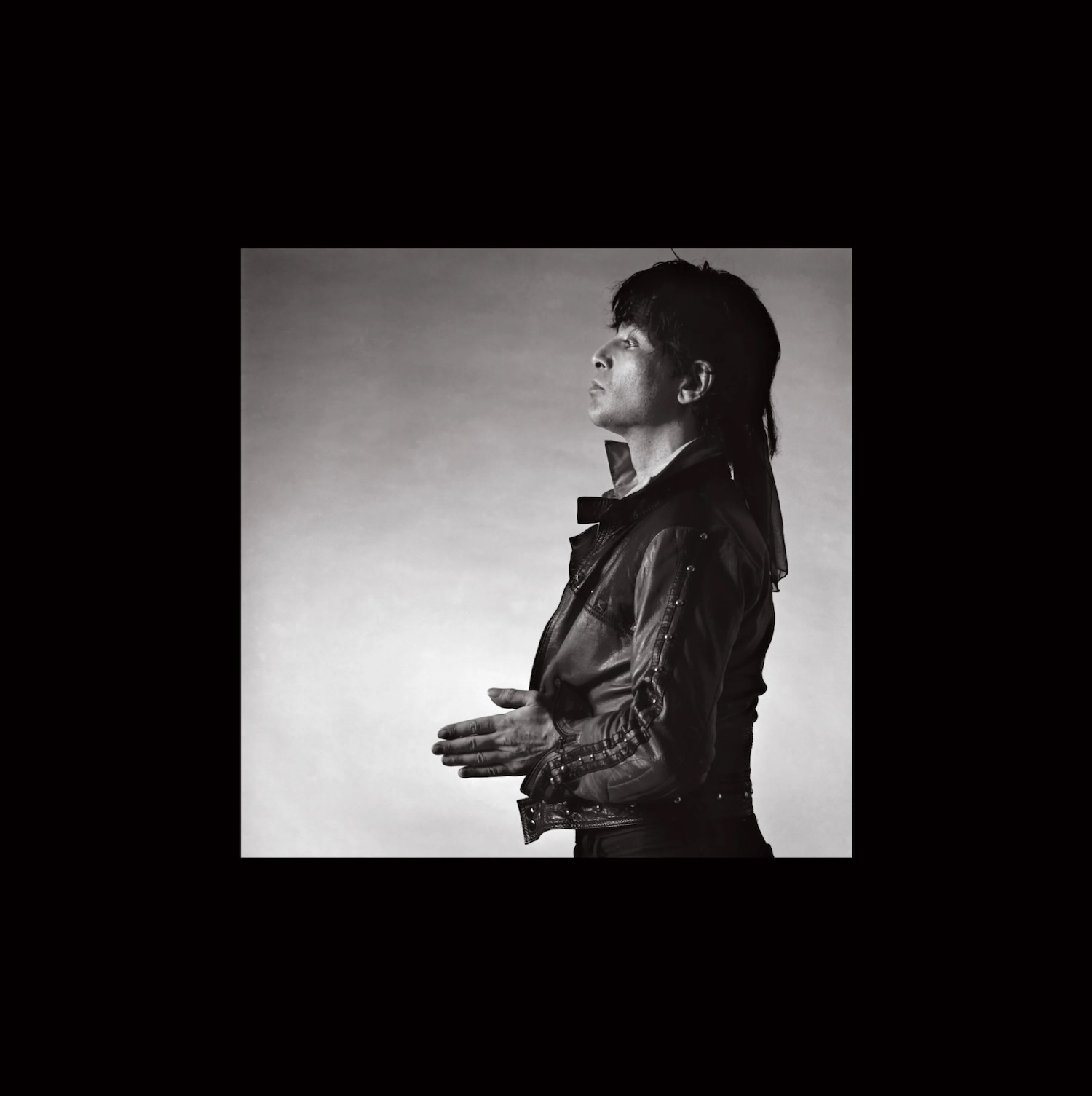
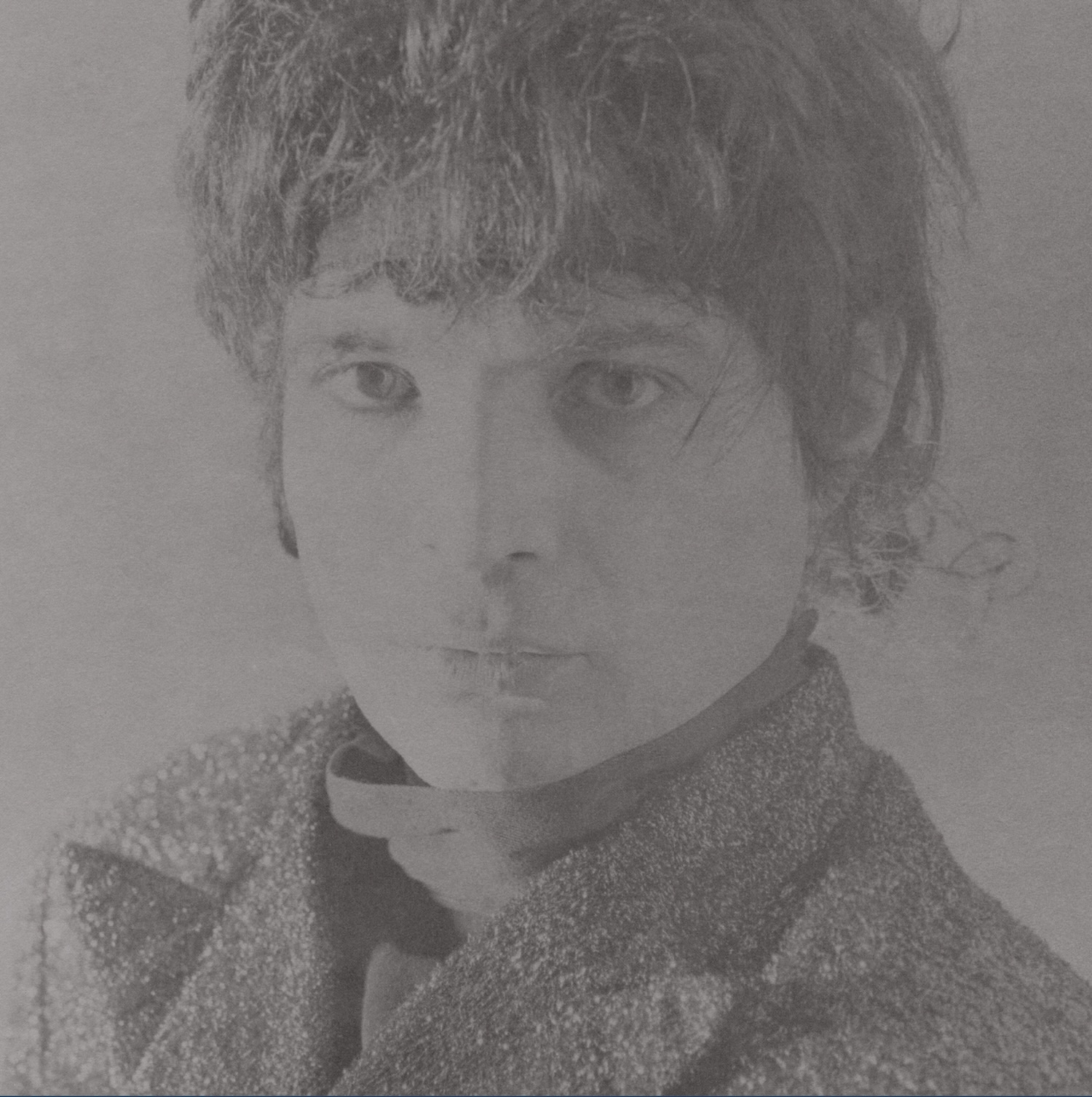
Lamere wasn’t musically involved with the most recent batch of music from the Vega Vault. They had yet to meet when Vega recorded his first two solo albums, the rockabilly-tinged Alan Vega and Collision Drive, originally released within months of each other in 1980 and 1981, respectively. Both have now been remastered and reissued via Sacred Bones.
Lamere offered plenty more in a recent chat with MAGNET’s Hobart Rowland. Also scroll down to check out the new video for Alan Vega leadoff track “Ice Drummer” directed by the Jesus And Mary Chain’s Douglas Hart.
How did the Vega Vault Project come about?
In 2013, Jared Artaud sent me Alan’s song “No More Christmas Blues,” covered by (his band) the Vacant Lots. Upon hearing it, Alan immediately invited Jared and Brian (MacFadyen) to our (New York City) home. We hit it off, and this led to the Vacant Lots asking us for an unreleased song to do a split 10-inch single release with them. Alan had suffered a stroke in 2012, and he was spending most of his time making visual art and less time in the studio. So I went into the studio and found “Nike Soldier” among the recordings. The song had been recorded in the mid-’90s, and when I played the tracks back, it still sounded completely of the moment. I mixed it that afternoon with Perkin engineering. When I played it for Alan that night, he was blown away. He also realized that there was so much more unreleased and still vital material in what he then dubbed the “Vega Vault.” Before he passed away, Alan gave Jared his blessing to work with me in preserving and building his legacy.
What about the two latest reissues might surprise your late husband if he were alive today?
Alan rarely listened to his own songs after he recorded them, so if he were here today and listened to these records, he’d be experiencing them as if for the first time. Alan believed you couldn’t hear something the same way twice, as your ongoing life experiences continually shape how you perceive art. I think he would’ve been amazed at the positive energy dedicated to re-releasing his work almost 50 years later.
Would you offer a few choice memories from your recording sessions with Vega?
Alan felt that I, being a drummer, had the key foundation to creating his music. To assuage any concerns I had, he described the unconventional process of his first solo album. He knew guitarist Phil Hawk would get the sound he was hearing for a stripped-down, rockabilly-infused record. Because Phil didn’t have a lot of experience, he naturally kept his playing minimal and focused on getting great tone, and he was completely open to Alan’s guidance in producing and directing the sound. Alan had a clear vision for what he wanted to do, although he relied heavily on spontaneity and experimentation to guide the process to the finished result. Alan felt trained session musicians were likely to give you the standard playbook, and he was looking for the real magic that happens when you’re free from expectations of what you’re “supposed to do” and rely purely on instinct. His mantra was: There are no mistakes—just be in the moment and feel the sound. The process was very much the same with Phil when recording Collision Drive in 1981.
Alan was a prolific solo artist. Do you feel that worked both for and against him?
Whether his output would work for or against him held no meaning for Alan as an artist. He was driven to create without conscious regard for how the end product would be received. The more work he created, the more it fueled him to create something he hadn’t heard or seen before. He was a visionary. There aren’t many artists who’ve had the same level of avant-garde output and influence in both art and music.
Alan didn’t believe in rehearsing or setting expectations and rarely used a setlist as a solo artist or with Suicide. When collaborating with others, he didn’t want to know anything about the project before arriving in the studio. When asked to lay down vocals on someone else’s music, he didn’t want to hear the song ahead of time. He often went into the vocal booth and asked that all the music tracks—except maybe a kick drum or bass—be removed. For him, being a “commercial” success in art and music typically required factoring in what’s popular, finding a formula that meets market demand and cranking that out—in essence, creating for your audience to meet their expectations and fulfilling that demand. He was driven purely by the desire to create art and music he hadn’t experienced before. It was essential for him to constantly seek new ground, and that meant he never stopped creating. He referred to himself as the “research scientist in the basement” and stayed true to that mission.
Has Alan’s legacy been undervalued?
That depends on how you calculate value and what values are prioritized by the artist. The beauty of Alan’s legacy is that it continues to evolve and can’t be easily quantified. Alan was honored by the vast number of highly creative—and, in many instances, highly commercially successful—artists who acknowledged his significant influence on their work. He was also deeply moved when people told him they became artists because of him.
Despite this not being the end goal, Alan started to see his work increasingly valued in the market. His music began being used more often in major ad campaigns, films and TV shows and on runways. His visual art was shown in museums. Bruce Springsteen covered “Dream Baby Dream.” In 2002, Jeffrey Deitch rediscovered his artwork and mounted a successful one-man show. His visual art gained significant notoriety with a major retrospective at the Lyon Museum of Contemporary Art in 2009, which led to representation by established art dealers like Jeffrey Deitch and Benjamin Tischer in New York and Laurent Godin in Paris. His works were placed in major collections and permanent museum collections.
Where do you see Alan’s influence most prominently in today’s music?
Most notably in the way it’s not limited to any specific musical genre or creative sphere. It has infiltrated music, art and fashion and continues to be cross-generational. Upcoming and established artists from rap and hip hop to electronic music and mainstream rock continue to cite Alan as a significant influence. His influence continues to permeate the fashion world, from street wear to haute couture. Yet the most apparent and enduring aspect is Alan’s attitude and approach toward creation. He exemplified the freedom of being in the moment and following your instincts wherever they lead you. In today’s world, where personal freedom is being attacked, it’s all the more critical to remember his message.
One assumes there will come a time when the Vega Vault is empty. What will become of the project when the music stops?
As Henry Rollins once said, “Alan Vega is forever.” He left behind enough material to produce infinite iterations that still contain his indelible fingerprints. As Springsteen said, “There was simply no one else remotely like him.” Alan’s influence has been steady for 50 years—with no end in sight.