
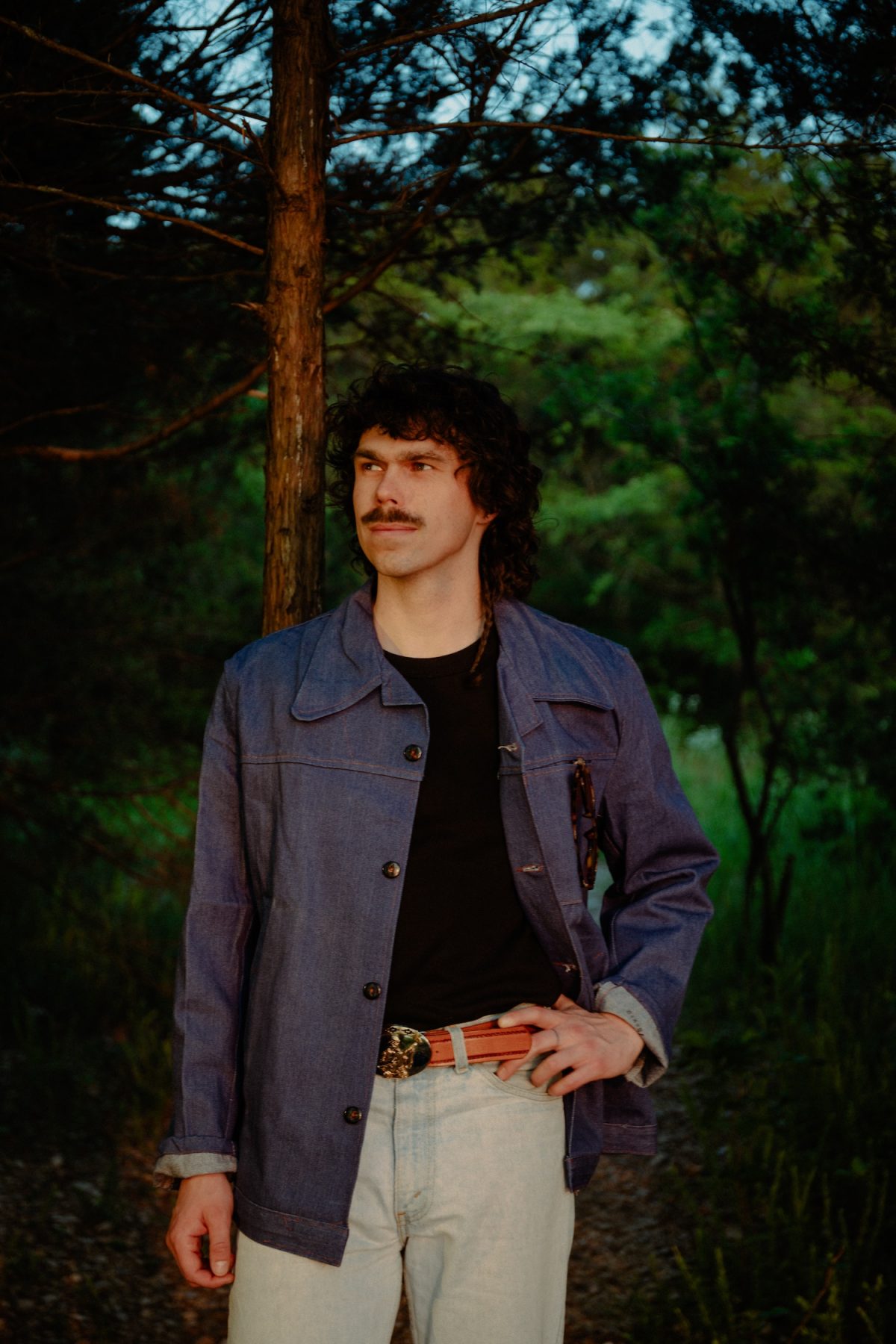
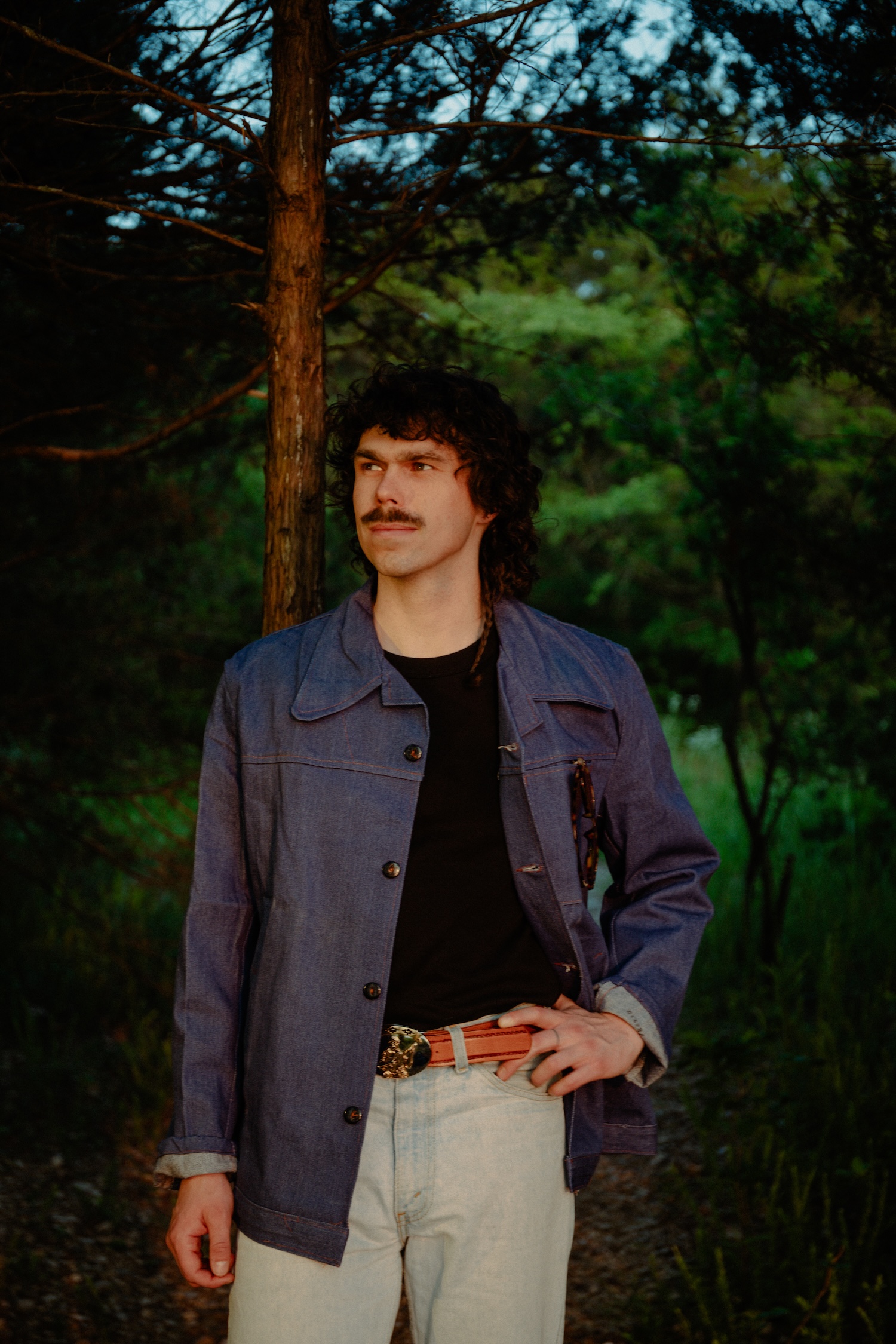
Best Of Our Possible Lives (Six Shooter) finds Boy Golden’s Liam Duncan loosening his grip, embracing collaboration and expanding the warm, shape-shifting indie-Americana sound that’s earned him a growing following in Canada and beyond. The album’s deep supporting cast includes Grammy-nominated producer Robbie Lackritz (Feist, Jack Johnson), bassist Pino Palladino (Who, John Mayer), multi-instrumentalists Abe Rounds (Joni Mitchell, Lucy Dacus) and Joseph Shabason (Destroyer, War On Drugs), as well as others.
Duncan recently chatted with MAGNET’s Hobart Rowland about, among other things, relinquishing control in the studio and the allure of Winnipeg, one of Canada’s most quietly influential creative hubs.
Three albums in, where did you want to go with your fourth?
I wanted to do things differently. I actually knew that long ago, when I first signed a record deal. I knew I’d eventually have more of a budget to work with, so I wanted to use it well. All my previous work is self-produced and engineered—and often self-mixed, as well. I had a real DIY ethos, which is a control thing. It’s also practical and financial, and it’s a way for me to learn as much of the record-making process as I can.
That said, I didn’t want to do that here. I hired Robbie Lackritz to produce and brought in a killer rhythm section from Los Angeles. My friend, bandmate and collaborator Austin Parachoniak came with me for the whole project. I just focused on being the best version of Boy Golden I could be, and I think it taught me that I can perform better when I let other people perform their jobs well.
What was it like working with Lackritz and such a strong supporting cast?
It was easy, fun and nerve-wracking. I felt like this was my first record, just because there were so many firsts … first time making a record somewhere other than home, first time with a producer, first time with these musicians. So that part was nerve-wracking. It was also easy. I prepared well. I locked myself in a garage for a month to shed the songs every day. Robbie and I worked on pre-production to the point where we felt extremely confident in the arrangements. Austin, Pino and Abe are such excellent musicians. Once we were in the studio, it was easy and fun. I loved the whole thing.
Artists use nom de plumes for a variety of reasons. What’s the story behind Boy Golden?
Goulden is my mom’s family name. I’m her boy. Thus, Boy Golden.
Tell us about the music scene in Winnipeg and how it helped shape you as a songwriter.
The scene and the low cost of living are the reasons I’m in Winnipeg. I also genuinely love the prairies. But I would’ve moved permanently long ago if the scene wasn’t so good. As a songwriter, this scene pushes me in a noncompetitive way. I have so many close friends here who are excellent songwriters: Fontine, Dominique Adams, Madeleine Roger, Field Guide, Roman Clarke, Kris Ulrich, Cassidy Mann, Leith Ross, Joey Landreth, William Prince, Matt Foster, Slow Spirit … I could go on and on. I often leave local shows feeling inspired to go home and write.
So many great Canadian artists make music that defies easy categorization. What encourages that individuality, and why has it historically been difficult for Canadian acts to break through in the U.S.?
I sometimes compare it to English bands hearing blues music in the ’60s. They heard Robert Johnson and made Led Zeppelin, which is not blues—it’s something else. It’s like an alien hearing music and re-creating it. Sometimes, really good things come out of that. I think many [Canadians] didn’t grow up steeped in a particular musical culture. As ancestors of settlers, we’re very distant from a distinct culture. People like me end up making music with really diverse influences—and inevitably it sounds a little odd. That’s my take.
Why is it difficult for Canadians to break through? Let me count the ways. Finances and logistics are huge. Visas are expensive and complicated. They take months to prepare and get approved. After that, our dollar is worth 20- to 25-percent less than the U.S. dollar, which bites. Then there are taxes. Boring, I know, but it’s real. Beyond that, culturally, there’s a bit of a wall between the U.S. and Canada. That’s less true these days with social media, but it’s still broadly true. There are, however, many notable exceptions—and I’m hoping I can be one of them.