
There’s a scene at the end of Spike Jonze’s 2020 documentary Beastie Boys Story where Adam “Ad-Rock” Horovitz revisits the group’s final live appearance together at Bonnaroo in 2009. While reading from a teleprompter in Brooklyn’s Kings Theatre—where the two-man show, performed in partnership the Beasties’ other surviving member, Michael “Mike D” Diamond, was staged as a tribute to their fallen bandmate, Adam “MCA” Yauch, who passed from cancer in 2012 at the age of 47—Horovitz’s voice cracks, he chokes up and quickly hands the microphone to Mike D, who finishes reading it for him.
It’s a raw, unscripted moment that serves as an encapsulation of the Beasties’ entire career and group dynamic—passing the mic back and forth, trading lines and in-jokes and, ultimately, having each others’ backs in a way that nobody outside their core circle could do. The show, and the film, showcases three weirdos from NYC who, unexpectedly, became hip-hop luminaries, having begun life as a bratty little punk group that stumbled into hip hop almost by accident. Beastie Boys Story is funny, enlightening, poignant and a little messy—much like the group itself.
“When Adam died, we stopped being a band,” explains Ad-Rock. That one statement stops time. It makes you realize: This is way bigger than the music, which, nonetheless, landed them in the Rock And Roll Hall Of Fame.
That moment was literally the only time since Yauch’s passing that the group’s two survivors had appeared on a stage together, having agreed that they would not perform or tour as the Beastie Boys without their brother, keeping any future musical collaborations or live band ventures strictly separate from that legacy. Truth be told, Diamond and Horovitz have been somewhat quiet since the Beasties suddenly came to a complete stop, the Boys Emeritus having taken somewhat different paths.
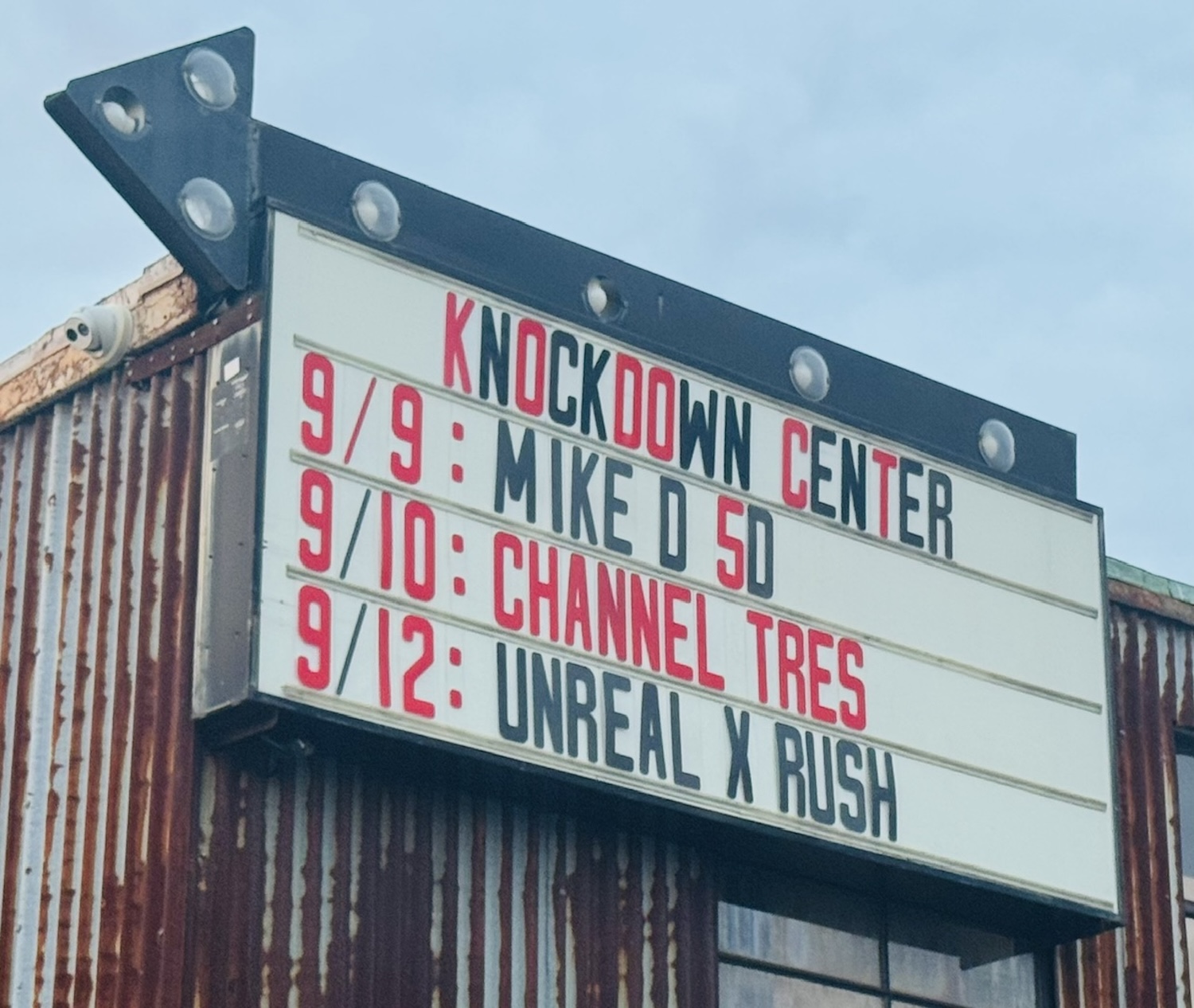
For his part, Horovitz has kept a decidedly lower profile, creating music “every day” on his laptop but choosing to keep it out of the public domain and only infrequently dabbling in some film and television acting projects. (I’ve seen his wife, Bikini Kill frontwoman Kathleen Hanna, and son more frequently in the city than I’ve seen him.) Diamond, meanwhile, has remained active in the music world through production and curation, hosting an Apple Music program called The Echo Chamber, producing music for various artists including Portugal. The Man, the Hives and Soft Play. And—with the encouragement of his sons, Skyler and Davis, who now play in his live band, 5D—returning to music recording and performance via a solo career that was kicked off by the recent release of his debut album, Thank You, and tour supporting the record. The live dates hit his hometown of NYC this evening at the Knockdown Center out in Queens, not too far from where the US Open is also being played and only a borough away from the Kings Theatre where he and Horovitz had told that story you know so well just a few short years ago.
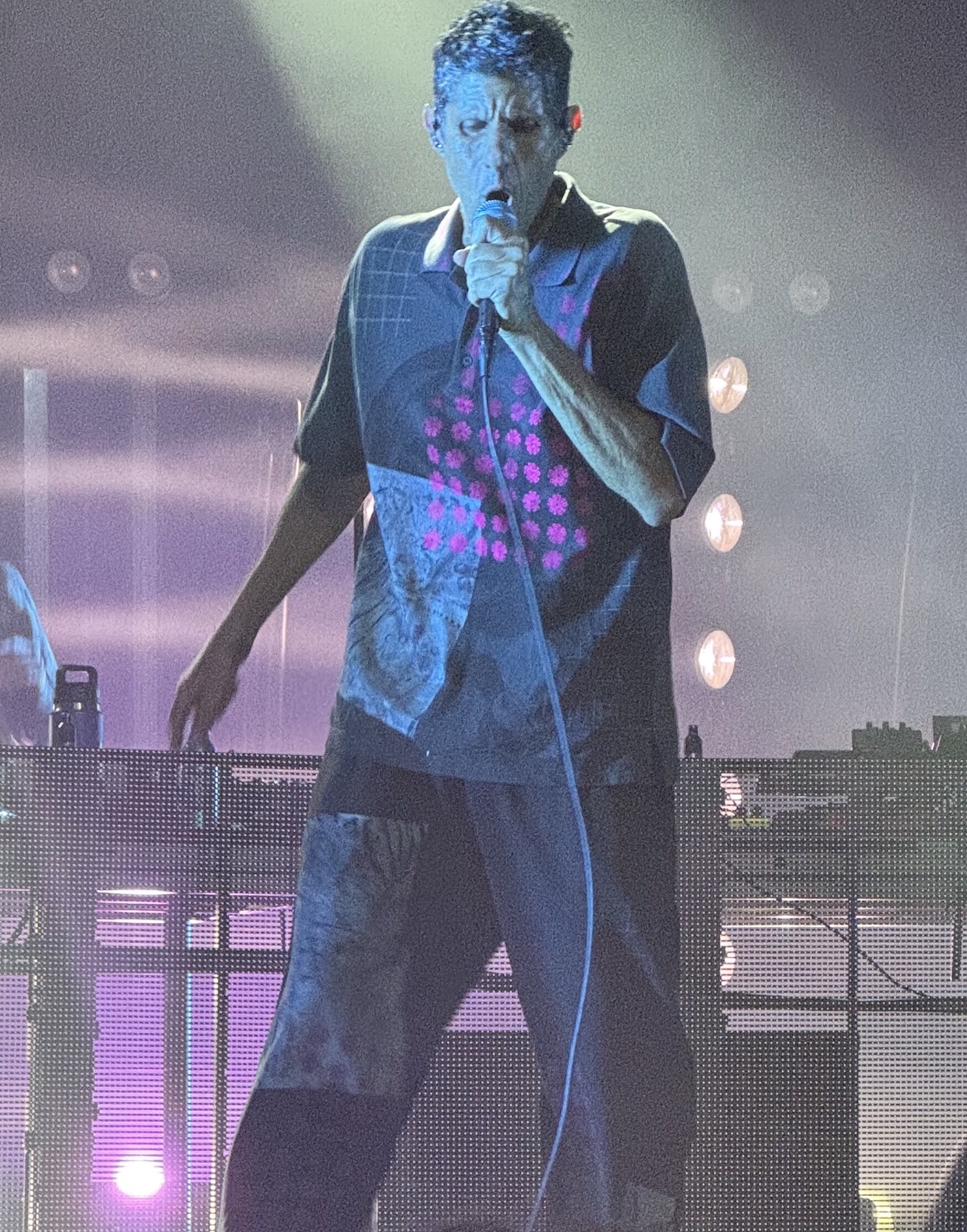
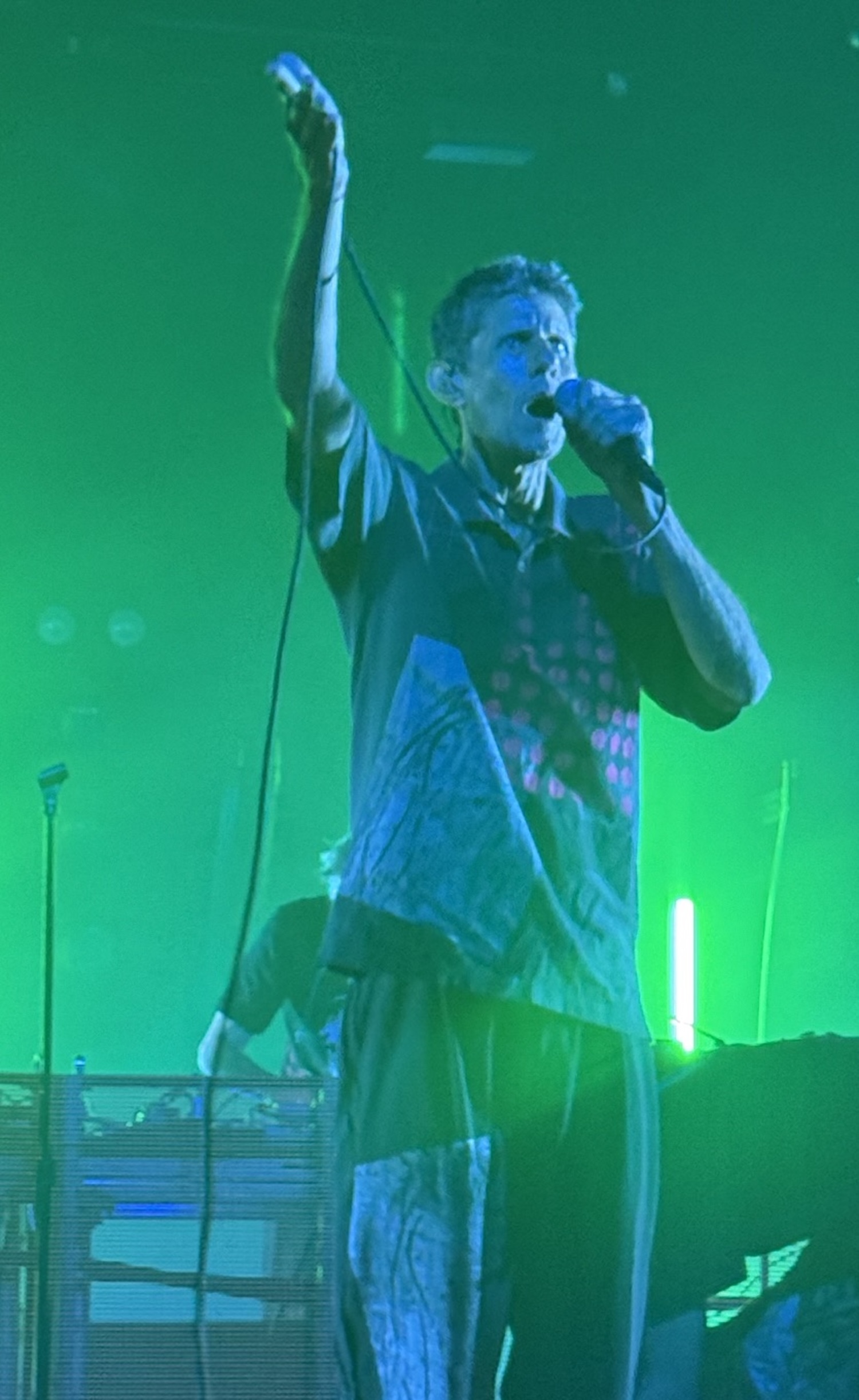
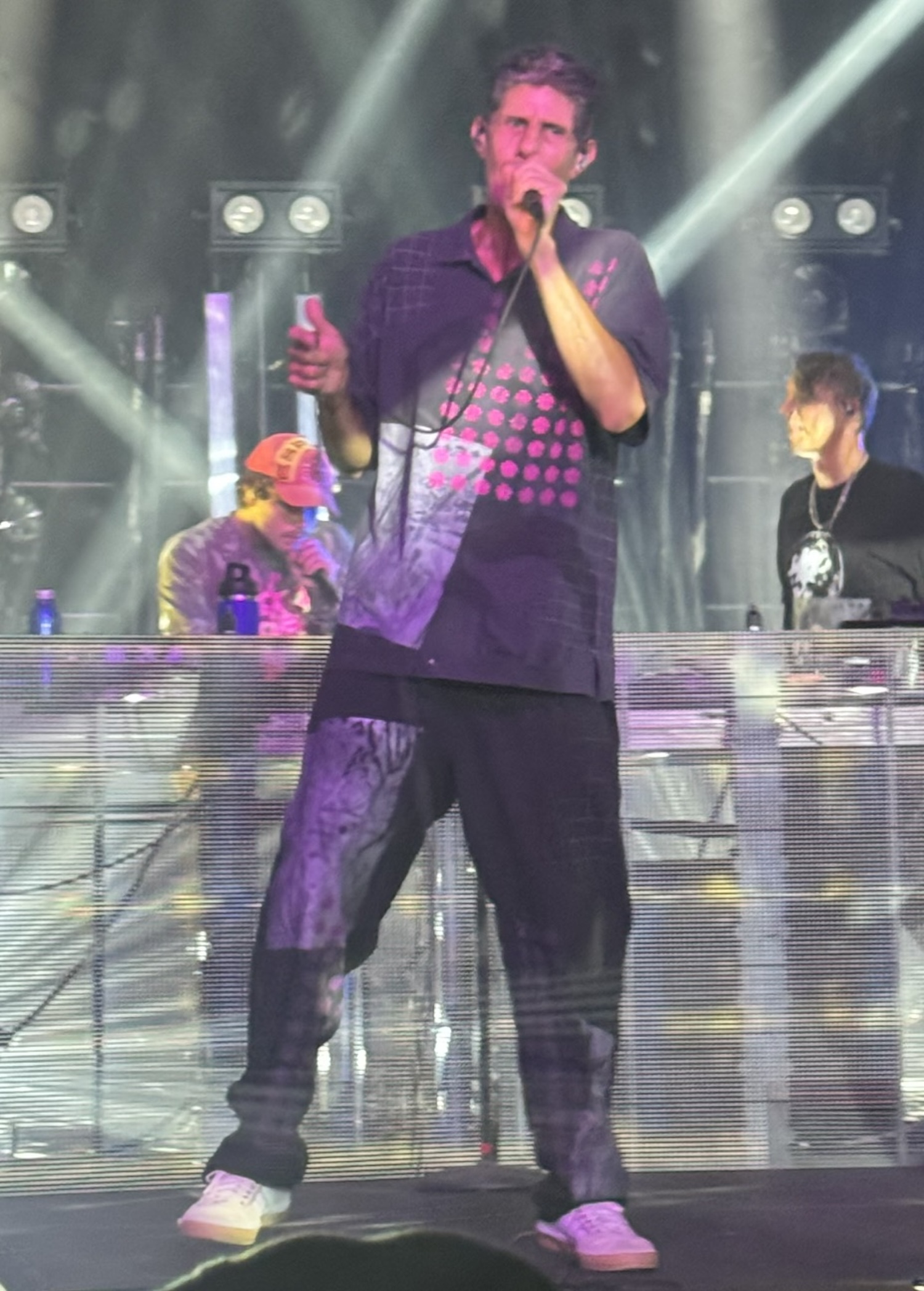
What had previously been traumatizing—getting on his laptop to work on new music only reminded Diamond of Yauch for years, and the grief was overwhelming enough to almost push him away from music altogether—materialized in a more organic and fun way when trading ideas with his sons, who also play in alternative/dance band Very Nice Person. This is ultimately what proved the deciding factor in pushing Thank You to completion and into the public square.
On record, Mike D’s new music is less Beastie Boys adjacent than it is one of Bob Dylan’s late-career ruminations on death and loss (a la Time Out Of Mind) as channeled by M.I.A. or the Avalanches. These are songs that the guy who once rapped that he “got mad hits like I was Rod Carew” or “I never sleep alone because Jimmy is the magnet” could never have written or performed in his younger instantiation: songs of regret, of the passage of time, of respect, of gratitude. (Granted, the Beasties once rapped about “Gratitude” on 1992’s Check Your Head, but that was Ad-Rock’s song.)
Hearing Diamond reminisce that “We were just kids, we were just figuring it out, working it out … I was 16 in the club, found money on the floor, that’s enough” as he does on Thank You’s title track feels like a very long journey from the days of touring with Madonna and Run-DMC as part of a traveling frat pack of destruction and mayhem way back when hip hop was still in its youth. That music has been with us for more than 50 years now, and Mike D onstage in Queens is sort of akin to “A Pirate Looks At 60”—if Jimmy Buffett’s life through the looking-glass storytelling was given the two-turntables-and-microphone treatment.
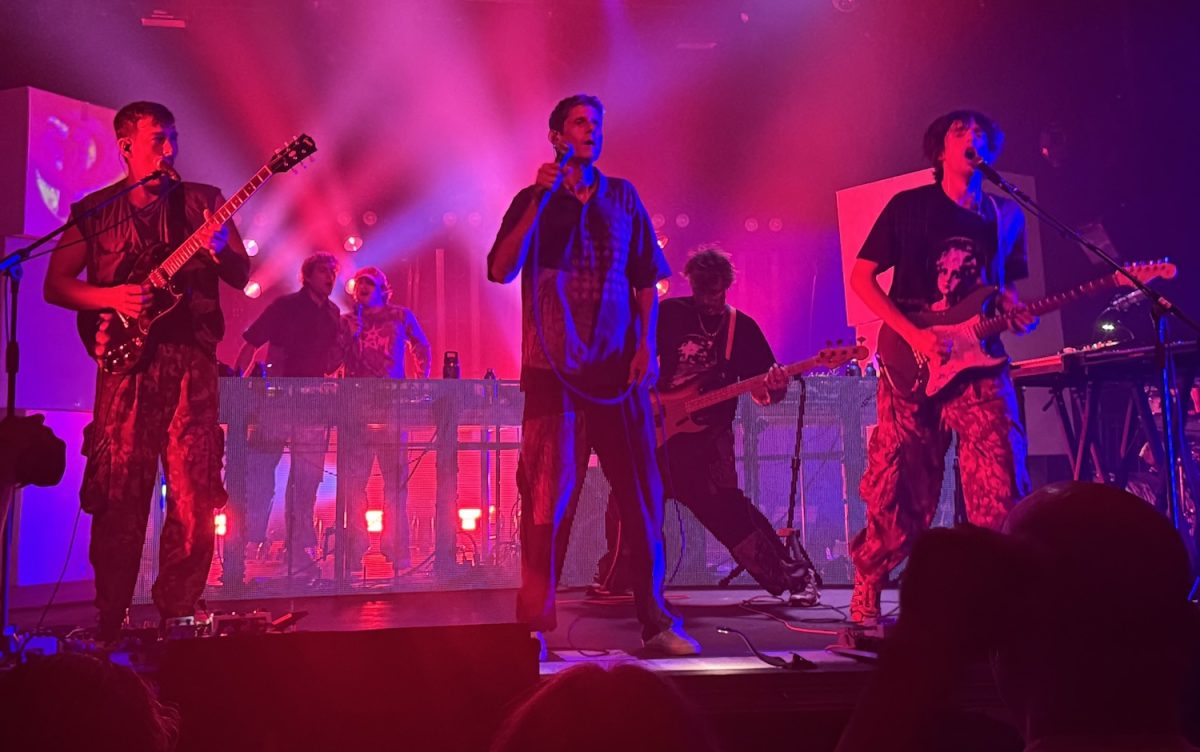
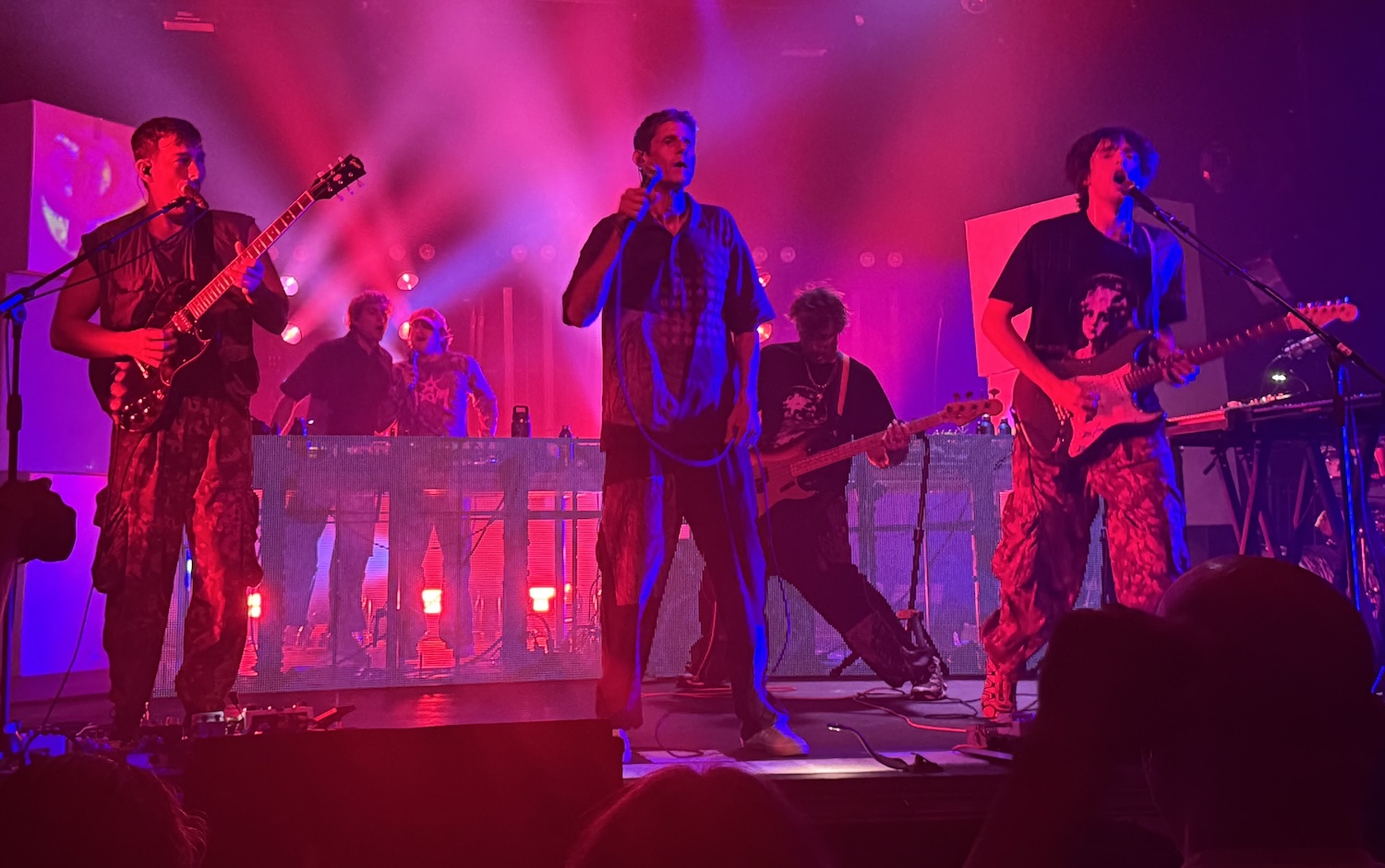
But what comes across as ruminative and reflective on record is more like “dad playing Dance Dance Revolution in the garage” in a live setting. The Knockdown Center is a 3,000-capacity warehouse/shed in a somewhat industrial corner of Queens, and tonight’s Gen X-leaning audience—bevvied-up, Adidas-flossing, ready to get their “Sabotage” on—immediately jumped into the fray when Diamond launched into his set via the Beasties’ “Hello Brooklyn” (from the group’s pioneering sampletastic sophomore release, 1989’s Paul’s Boutique). With 5D, Mike D bills himself these days as part of a band that includes both of his sons—Davis (who serves as more of an arranger) and Skyler (synths/drum machines/random samples)—as well as guitarists Will Graefe and Eddie Ruscha and his bassist son Milo. (This extending the family affair.)
Diamond may be old-school analog where his sons are digital, but their musical Mr. Potatohead works a nifty trick. It’s not wholly removed from the chaos of vintage live Beastie Boys circa Ill Communication or even 1995’s Aglio e Olio EP (their hardcore/punk outtake release), with the band’s energy pitched somewhere between Egyptian Lover-style techno hop (“Make It Stop”), Bad Brains-esque punk/dub/whatsit (“Switch Up”), lovely little sampled bits floating through otherwise straightforward pop songs (“What We Got,” “Secrets Pt. I,” the almost Frank Ocean-like elegiac vibes of “Thank You”).
Diamond’s solo debut is nearly unclassifiable in its refusal to be pinned down to any one genre or sound, but when you add Beasties classics such as “Three Minute Rule” (just the Mike D verse, natch) and Hello Nasty mainstay “Body Movin’,” you really have it spelled out for you: Mike D has been on the “can’t be boxed in” tip since day one. He’s just freer of any constraints now. I love that the man continues to tread new musical turf and that he’s willing and brave enough, even at his relatively advanced age, to trot out a new (younger) band, new sound and new material and have this serve as the majority of this tour’s musical backbone even as fans continued to call out for familiar Beasties songs all night long.
“I need a Plan B/Retired MC/Secretly you tried to vet me/You think it’s over, but you haven’t even met me,” Diamond chirps at the haters on “What We Got,” one of his debut’s strongest cuts, before closing his set during the encore with a cover of Delta 5’s post-punk classic “Mind Your Own Business” (“Can I interfere in your crisis?/No,” a lyric given an entirely different interpretation this evening) and the Beasties’ “So What’cha Want” (“Well they call me Mike D, the ever-loving man/I like Spoonie Gee, well I’m the metro politician/You scream and holler about my Chevy Impala/But the sweat is getting wet around the ring around your collar” goes his signature verse, as large and in charge as ever). Mike D is a changed man from back in his fight-for-your-right-to-party days, but he’s definitely not going gentle into that good night.
—Corey duBrowa