

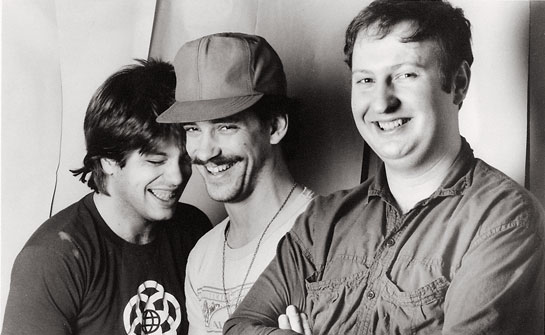
 Ah, the mid-’80s … Back when Hüsker Dü guitarist/vocalist Bob Mould was pudgier and hairier, drummer/vocalist Grant Hart was ridin’ the horse, and God knows what bassist Greg Norton had to do to stave off the migraines when Mould and Hart bitched and groused and threw chairs at each other. And somehow, when it came to the records, none of that mattered, because outside of the insect kingdom, Hüsker Dü was the fastest thing on six legs. Even now, when historicizing punk has become a cottage industry all its own, Hüsker Dü remains one of the most unfairly overlooked bands of the Reagan era, overshadowed in Minneapolis legend by the Replacements and among the venerable SST Records roster by more notorious or antic labelmates such as Black Flag and the Minutemen. That’s heavy company, but Mould, Hart and Norton underwent a remarkable and totally unique evolution over the course of seven albums, from the heart-attack pace of 1981’s Land Speed Record to sprawling swan song Warehouse: Songs And Stories just six years later. Hüsker Dü managed feats no other band of the era did—or could. They began as ferocious punks, ended as meditative dreamers and frequently tied both ends together. In the midst of an often hyper-masculine hardcore scene, two-thirds of the band was gay (Mould and Hart) and wrote songs about it, however obliquely phrased. And Hüsker Dü penned smart, articulate lyrics about art films, aging parents, gender politics and other topics that most punk bands couldn’t tackle if they had an entire defensive line. It might seem strange to tap such a generally underrated band for an Over/Under list, but this is one of those cases where if all you’ve heard is the canonical material, brother, are you in for a joy. Push play, and let it knock you down. You’ll dig it. Promise. Read a lot more about Hüsker Dü, the Replacements and the ’80s Minneapolis scene in our extensive 2005 cover story.



 Because he’s written so many great tunes for other performers, some people might get the wrong idea about
 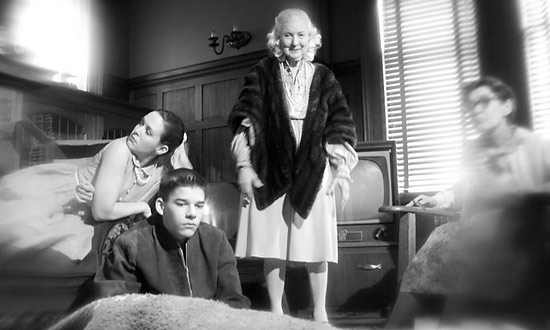 Crenshaw: What with one thing and another (my grandfather was born in Montreal, so Canadian TV and radio from Windsor, Ont., were part of day-to-day life in the Detroit area when I was growing up, etc.), I’ve always felt some sort of kinship with Canada, which isn’t necessarily why I’ve been meaning to see a Guy Maddin film for a while. But anyway, I finally saw