
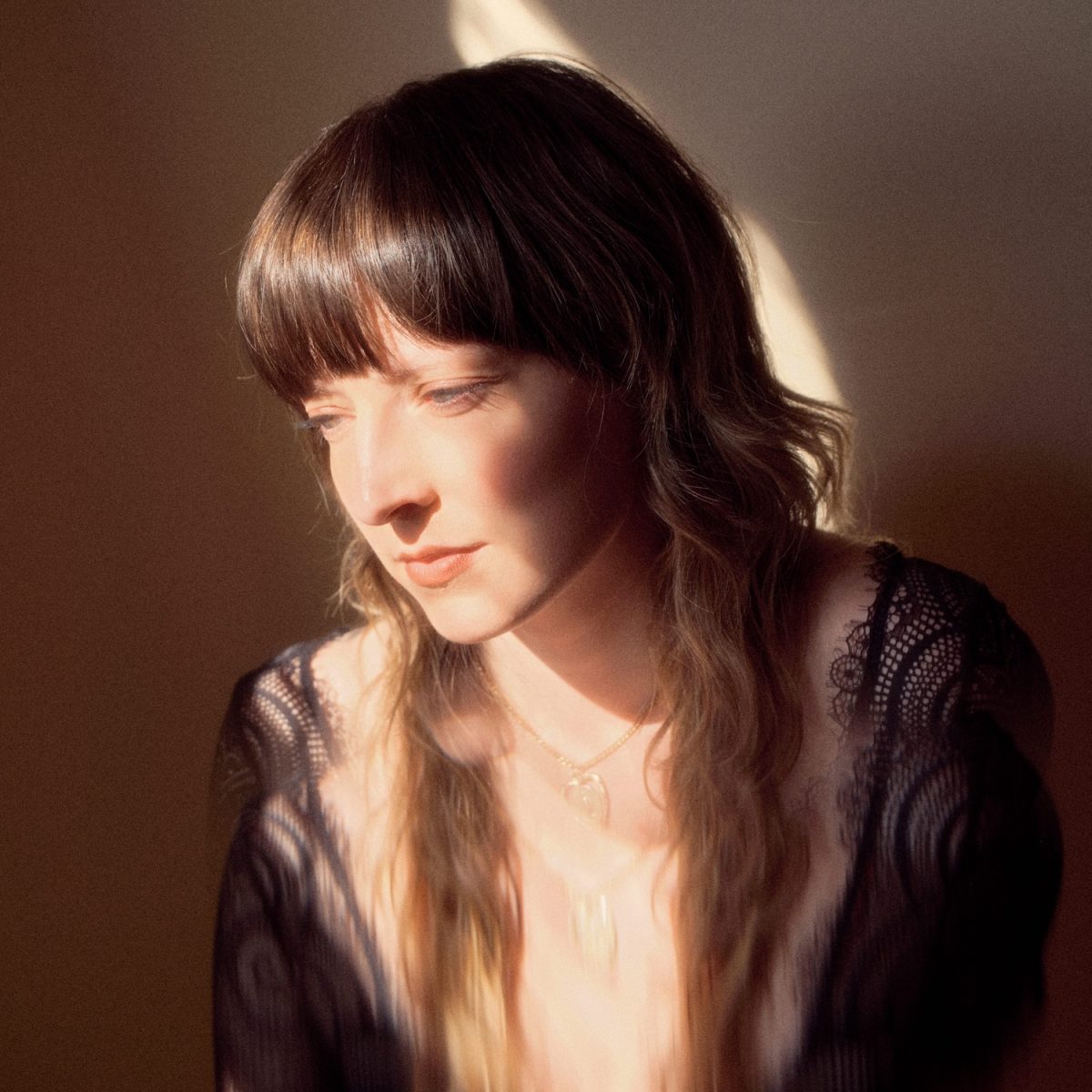
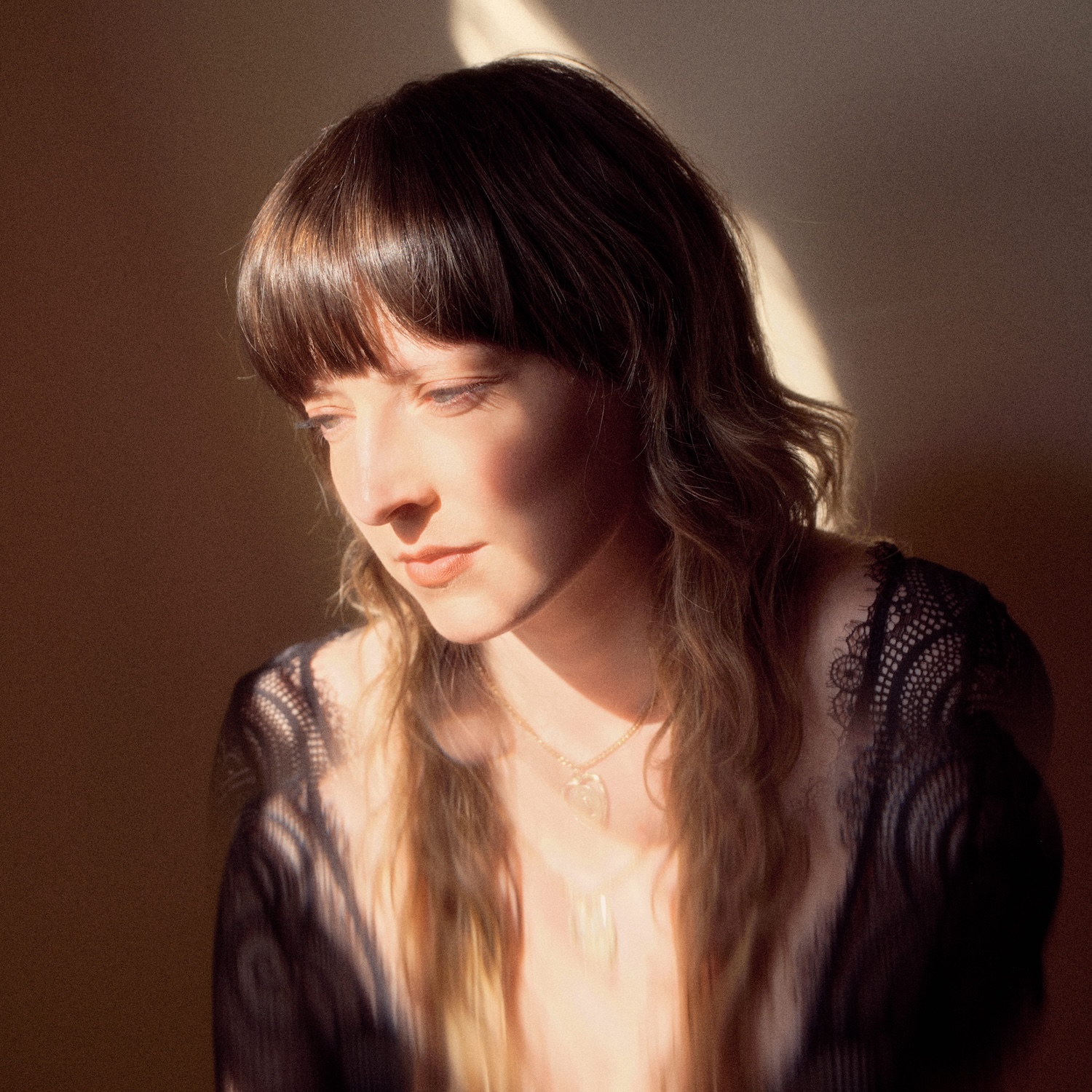
After years of holding down the low end for Built To Spill and Blood Lemon, Melanie Radford has just unveiled For The Sake Of Stillness (Jealous Butcher), a remarkably intimate debut tracked over two years during breaks in her relentless touring schedule. The album was primarily created around quiet living-room sessions and field recordings gathered during solitary walks through strange cities, and its low-key urgency grew from a desire to create music that offered refuge from the noise of everyday life. The songs’ minimalist arrangements are the perfect foil for Radford’s expressive bass lines and haunting vocals.
MAGNET’s Hobart Rowland spoke with Radford about how For The Sake Of Stillness aligns with her efforts to stake out a place where ambient music, folk storytelling and a meditative spirit can safely intermingle.
For The Sake Of Stillness was created during and between tours. What did “stillness” come to mean for you while making the LP?
Finding stillness and mindfulness became a necessity for multiple reasons. On one hand, Built To Spill has been touring extensively for many years. I found myself naturally exploring songwriting structures that felt relaxed and easy so I could make music that grounded me. On the other hand, I’ve also grown pretty overwhelmed by the news and the things going on in our country—as I’m sure all of us have. So, especially nowadays, I find refuge in music that helps me calm down and put the important things back into focus.
Your bass playing sits at the emotional center of the album in a way that feels different from its traditional supporting role. Did making this record change your relationship with the instrument?
Not at all. I think this is how I’ve always related to my instrument. I like to let her be very expressive, because the bass can truly be an emotional instrument if you just let her sing.
“Hangin’ On” was tracked in an empty living room with just a handful of instruments. How much did where you recorded shape the emotional character of the album?
I knew from the beginning that I wanted to make a record that felt warm and homemade. With that in mind, all the different mobile studio spaces became integral to the sound of the record. It was also a necessity, because I was constantly in motion and traveling so much. Whenever I was able to pause and take a minute to record, the process would turn into a deeply centering practice for me.
Were there any artists who helped shape the album’s sonic direction?
Oh yes, so many. I’ve been a longtime fan of Grouper. She’s done a fantastic job of balancing ambient textures with folk songwriting throughout her catalog. I also got a lot of inspiration from slowcore bands like Low, Mazzy Star, Red House Painters and even Yo La Tengo. In terms of contextualizing minimalist composition for this record, Aldous Harding’s work—specifically Party and Designer—were great records that helped me realize what was possible.
After years of playing in bands, what aspects of your musical personality emerged on this LP that listeners may not have heard from you before?
A lot of things, I think. This solo project allowed me to be more expressive, weirder, more me. There’s a similar darkness to Blood Lemon that flows through Stillness, though. I think I’ll always run parallel to that haunting feeling.
Cellist Lori Goldston and guitarist Jim Roth contribute some beautiful textures throughout the album. How did those collaborations fit into such a personal project?
Jim Roth has become a very good friend of mine. We obviously met through the BTS family. But after I moved to Seattle, I hung out a lot in his studio, so it felt very natural to add him to my record. We play on each other’s stuff all the time now. As for Lori, I met her by going to shows and talking to her. I’m a big fan of her and her droney solo material, so I knew her style would fit perfectly with mine. And she was so gracious and easy to work with. It all felt like it was meant to be.
Did making For The Sake Of Stillness change the way you move through the world outside of music?
I think it’s safe to say that making this record was a very spiritual experience for me. It left a mark in how I live as a contemplative person.
See Melanie Radford live.