
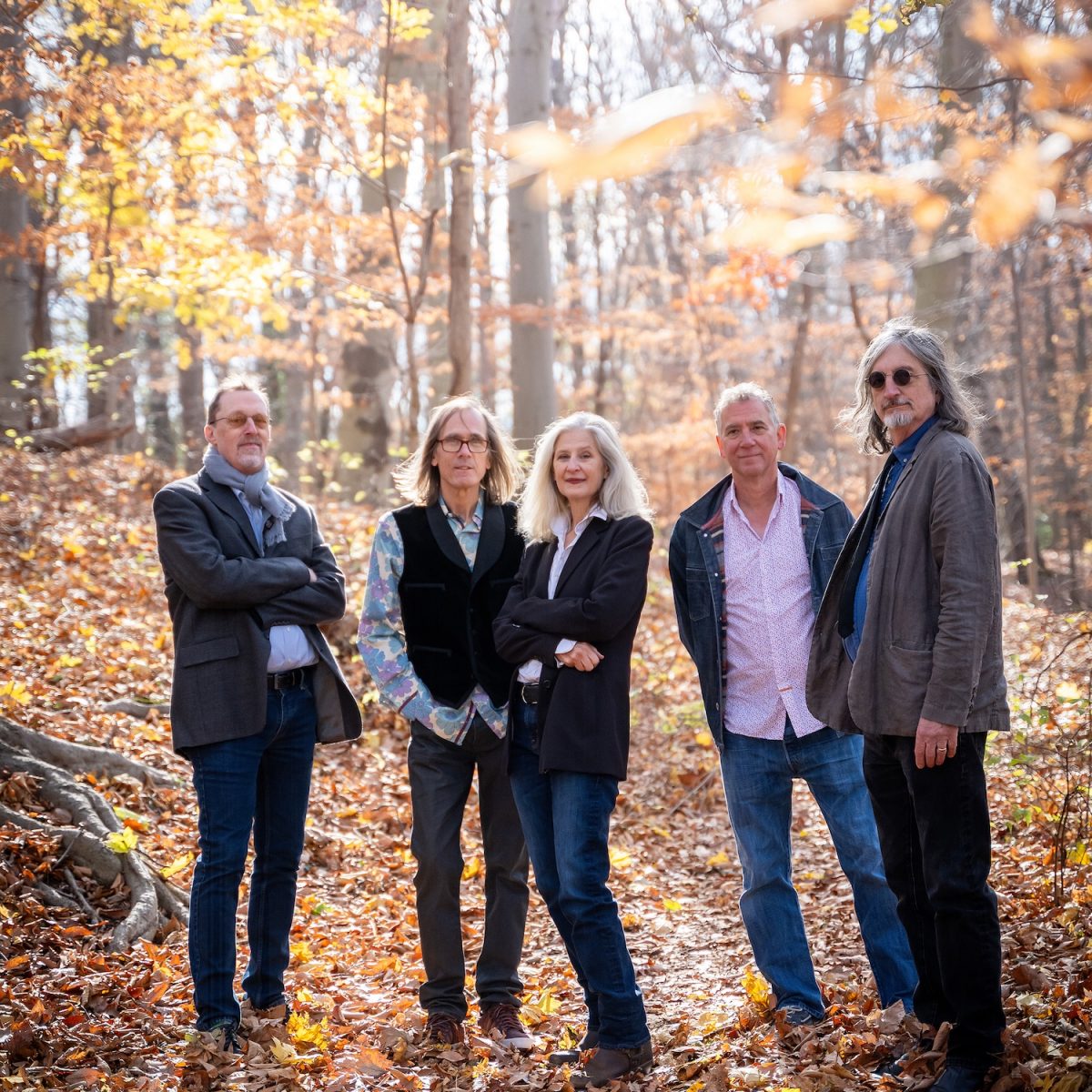
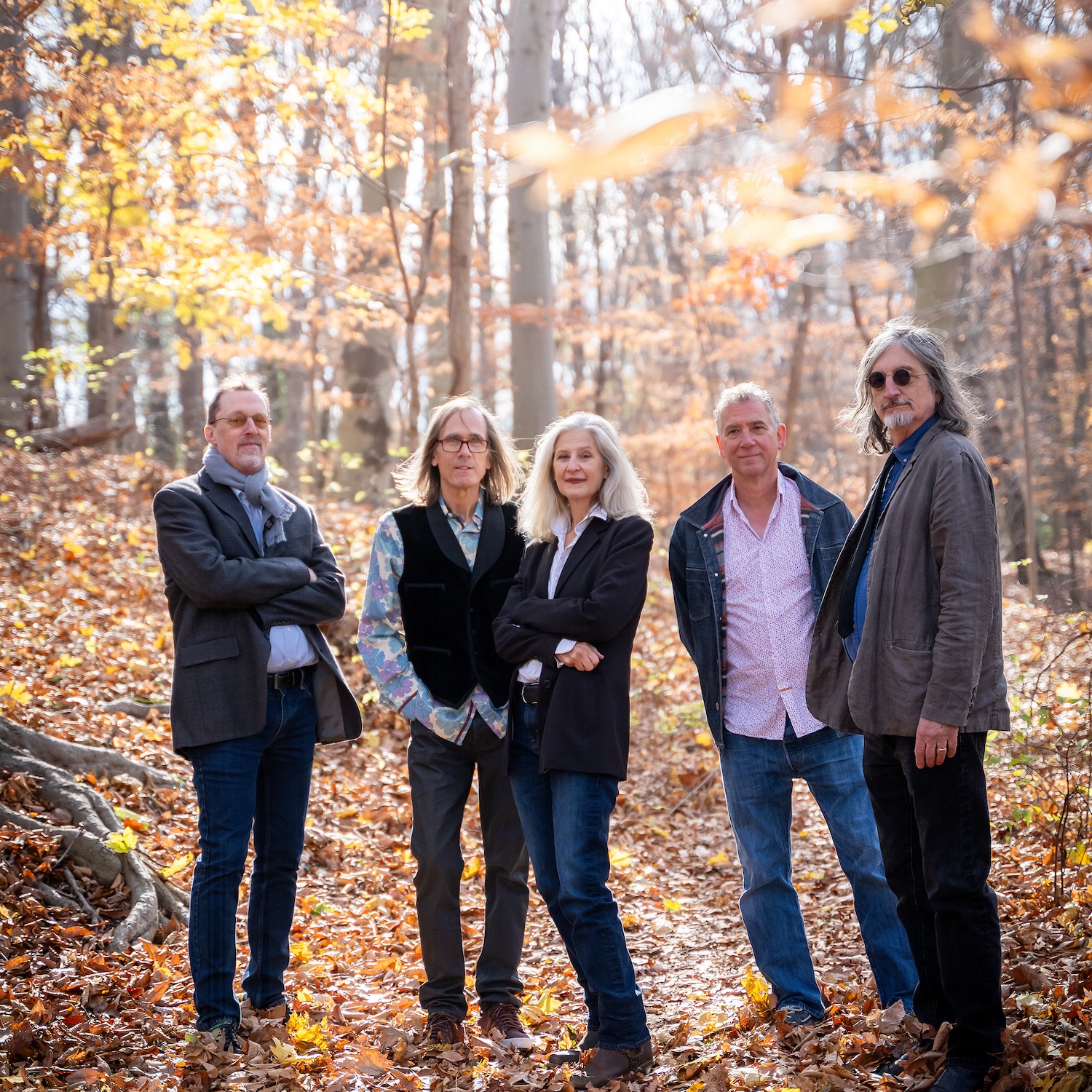
There’s a certain symmetry to Love Riot’s reunion story. When Lisa Mathews became a parent, she and fellow member Mikel Gehl co-founded the Grammy-nominated kids’ band Milkshake. More than two decades later, Mathews played some old Love Riot recordings for her adult daughter, Jesse. Impressed by what she heard, Jesse nudged Mom to get the group back together. The most tangible result is the self-released Nothing Is Etched In Stone, the folk-flavored alt-rock outfit’s first full-length release since 1999.
Love Riot emerged from the Baltimore music scene in the early ’90s, winning Yamaha’s international Music Quest competition in 1994 and using the prize money to record its 1995 debut, Muscle, with producer Eric “Roscoe” Ambel (Steve Earle, Del-Lords). The band toured nationally, played Lilith Fair and even appeared on NBC’s Homicide: Life On The Street. Ambel returns for Nothing Is Etched In Stone, mixing material recorded by engineer Dave Nachodsky at Baltimore’s Stages Music Arts.
Gehl and Mathews touched based with MAGNET’s Hobart Rowland to discuss the unlikely circumstances behind Love Riot’s return, the changing face of Baltimore and reconnecting with Ambel.
Nothing Is Etched In Stone brings together five unreleased tracks recorded in 1999 and 2000 and six new compositions. How did you find the thread that connected past and present?
Gehl: Lisa mused that maybe she should get the band back together, and Jesse said, “Mom, I would totally come see you guys!” She reached out to everyone, and here we are. It’s interesting how our kids encouraged a pivot to Milkshake, then a pivot back. We realized how distinct our sound was when we reunited to play together as Love Riot and set to work remembering the best of the old tunes and writing some new songs. From there, it all fell into place naturally.
“Yeah, Yeah, Yeah” captures a particular moment in Baltimore’s Fells Point neighborhood in the late’90s. How does the scene you remember compare with what’s there today?
Mathews: The ’90s were such an exciting time for both the city and the band. Now Fells Point—the downtown area that inspired this song—has changed quite a bit. Fletcher’s, the bar where we used to play, is no longer. A lot of historic places like Bertha’s restaurant, Leadbetter’s Tavern, Surfside Sally’s and Jimmy’s are gone. The old Rec Pier building that served as the police station when Homicide: Life On The Street was filmed here is now a luxury hotel called the Sagamore Pendry Baltimore. I think the grittiness—the rowdiness—has been lost to upscale boutiques and gentrification.
What was it like reuniting with Eric “Roscoe” Ambel after so many years?
Gehl: We loved recording at Stages with our good friend Dave Nachodsky, but Lisa really felt that having a different person mix the new songs was important. She wanted a fresh set of ears for the job. Willem Elsevier, our violinist, suggested we reach out to see if Eric would do it, and it was an immediate yes. Eric understands that every band has a sound or personality they’re trying to express that amounts to more than a collection of songs. He knows how to use technology to enhance, rather than overshadow, that expression. It was great to be working together again after so many years. Eric would send files back and forth with Lisa as rough mixes took shape. Thanks to new technology, we were able to listen in from Baltimore as final mixes were done.
How have the experiences you’ve had outside Love Riot changed the way you approach songwriting?
Mathews: The big difference is that I’m more outward-looking, paying attention to and wanting to address some of the things going on in the world around us. The ’90s Love Riot wouldn’t write songs about climate change like “Howling At The Moon” or wade into political territory like “I’m Not You.” It was all love songs—relationship songs. I’ve lived and loved and am happily married for 33 years now. The love songs I wrote years ago aren’t the love songs I’m writing now—except when I’m writing about what a friend is going through. This new album picks up where we left off in such a beautiful way. Even the older songs deal with more than just love.“Lost” is about the frustration of dying. “One Of These Days” I wrote for my dad, who wanted to take my mom away and retire by the sea—and it never happened. They kept waiting for someday that never came. “Standing By You” is my band anthem that rings true once again.
Did any of the childlike perspective you developed with Milkshake find its way into the new Love Riot material?
Mathews: Milkshake taught me how to break down the invisible wall that many typical rock bands have during live performances. There’s this tacit understanding that I’m up here on this stage and you’re down there in the audience. You stay there and I’ll stay here, and we’ll both enjoy the performance. But you can’t do that successfully with kids. So I put down the guitar, got myself a wireless mic, jumped into the audience and played with them. It was very freeing and exciting—especially because kids are unpredictable. That, in turn, encouraged Mikel and me to go with the flow more. I became a more vibrant performer because of Milkshake, and although I picked the electric guitar back up for Love Riot, I’m wireless to be free to move onstage and break down any invisible walls.
See Love Riot live.