
For Mia Doi Todd, leaving Los Angeles for Maui provided the sort of immersive calm that eluded her in the city. The songs for the fittingly titled Human Experience (City Zen) arrived quickly amid the “chaos and joy of everyday life.” Raising a daughter made time more precious, leaving her little choice but to trust her instincts for a collection of songs that test the more familiar parameters of Todd’s singer/songwriter identity.
Todd’s work with André 3000 on his free-flowing 2023 solo debut, New Blue Sun, instilled a new confidence. Meanwhile, on Human Experience’s closing track, she dives headlong into the Hawaiian tradition of mele and its evocation of spirit and place through poetic recitation, chant and song. Remixed by British-born DJ/producer El Búho, a new version of “A Song To Make You Smile” brings a steady, downtempo Latin heartbeat to the album’s leadoff track.
In a recent chat with MAGNET’s Hobart Rowland, Todd talked up parenthood, Maui, family collaboration, disco grooves and the musical community that helped shape her 13th album.
Human Experience feels so deeply rooted in everyday life: family meals, beach trips, ordinary moments. Did creating from within those routines change the way you approached songwriting?
Usually I sing a melody, then find the simplest and truest lyric that’s most natural. Some real-life event or thought sparks this moment of creativity. That’s usually the start of the chorus or refrain. This has always been my normal songwriting technique, but now I’ve learned to follow the song’s lead and let the lyrics flow out as effortlessly as possible. I trust myself as a songwriter to weed out the extraneous and keep the essential. And I was writing these songs for the whole family, capturing those special years together in song and creating a way to hold onto the memories forever.
The album was written on Maui and recorded there over a single week. How much did the island’s pace and environment shape the music itself?
I’m absolutely indebted to the island of Maui for this batch of songs. The sweetness of the air, the scent of plumeria and jasmine, the crashing of the waves, big skies with fast-moving clouds and rainbows—these were the biggest gift to me ever. I was born and raised in L.A. and had been longing to get myself out of the city. I finally managed it, and all these songs came pouring out of me. The background noise and social activity of the city suck up the energy and bit of solitude I need for dreaming. Maui restored my sense of wonder. There’s a refreshing quality to the album, a childlike wisdom, that stands in striking contrast to my last album, (2021’s) Music Life, which had a world-weariness to it.
The title track is described as an “existential disco jam.” What drew you to exploring big philosophical questions through such an uplifting musical lens?
It was written for my friends. I truly treasure my friendships. I like to be a good listener and get to the bottom of things. Also, when I need a hand to pull myself up, a conversation with a friend can make all the difference. Laughter is the greatest antidote to suffering. Human experience is very confusing. Sometimes we’re happy; sometimes we’re sad. A song can help flip the switch from sad to happy. I find myself singing this line from the song quite often: “What’s it all about?” When things start to get heavy and feel burdensome, that little phrase can diffuse the bad vibes and push us into brighter territory. The disco beat is the perfect vehicle for an existential quandary. It’s like laughing with a friend.
Your daughter, Ynez, appears on backing vocals and your husband, Jesse Peterson, contributes keyboards and whistles. How did having family involved color the atmosphere of the sessions?
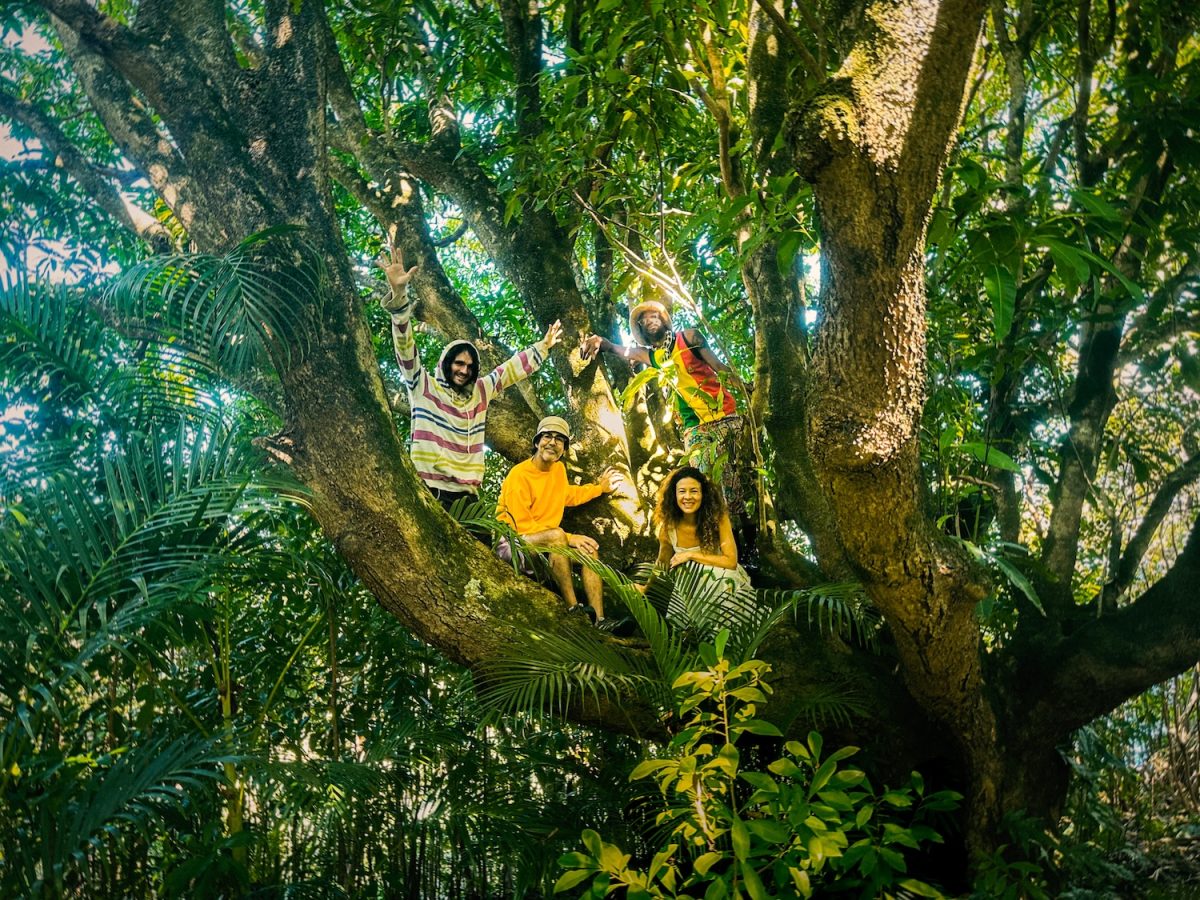
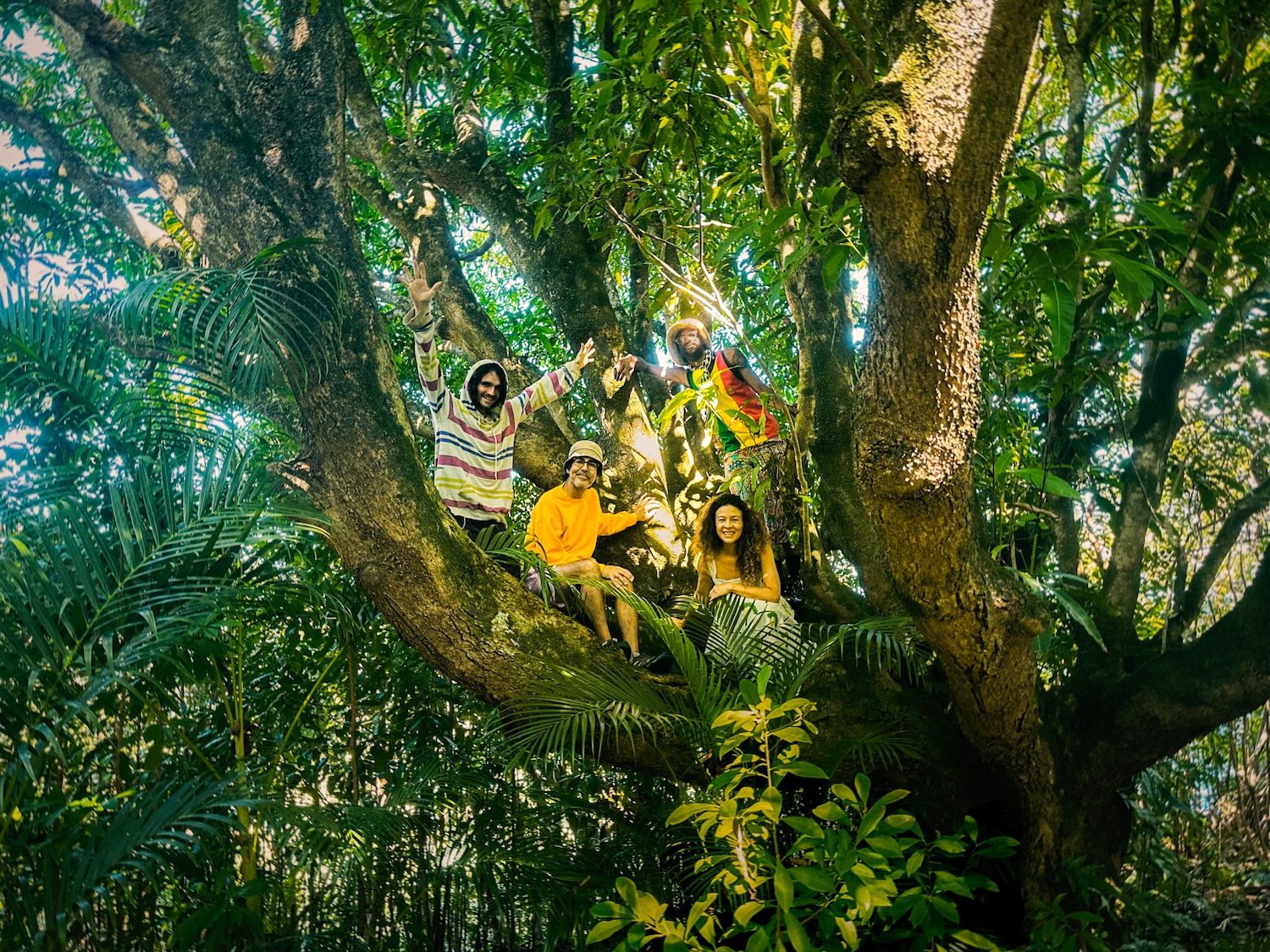
The album is more natural and closer to the truth with their actual stamp in there. It would almost be like a lie if they weren’t there. Ynez has a beautiful singing voice. It was precious to capture that moment of her teenage self for posterity. With the help of his ever-expanding flute and whistle collection, my husband translated the bird and insect cacophony that has been the soundtrack of our lives into the song “Mango Tree.”
You’ve worked with a remarkably diverse range of artists over the years, from André 3000 and Flying Lotus to José González and Julia Holter. What have those collaborations taught you about your own artistic voice?
It’s revealed to me how I’m very broad-minded, how I see beyond categories to the true nature of creativity and how my artistic contribution continues to be relevant. I’ve expressed my own individual voice all these years without falling prey to passing fads or self-obliteration. My artistic vision has been very consistent across all my albums. It really meant a lot to me to working with André 3000 on New Blue Sun and the live performances to support the album’s release. I was given creative freedom to find my voice within the sonic landscape of the group. After one of the live performances with André, I felt like I’d really achieved my human potential as a singer. That silenced my doubts about myself being a jazz improviser. I was not an imposter. I’ve generally considered myself a singer/songwriter, but I’ve been evolving in recent years.