
MAGNET’s own Hebrew school dropout (blame the Monkees) finally gives his Torah speech—with accompaniment from guitarist Gary Lucas
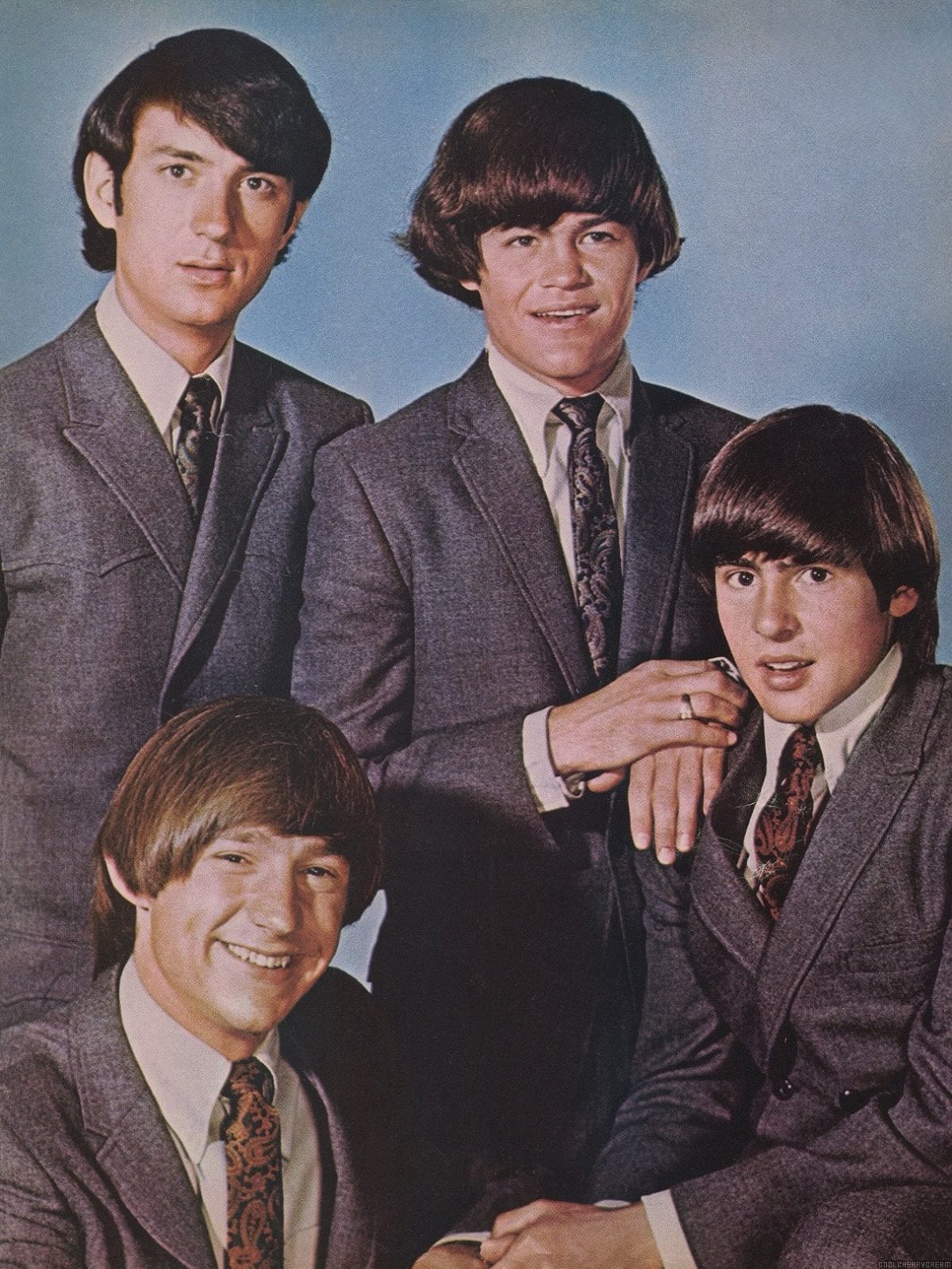
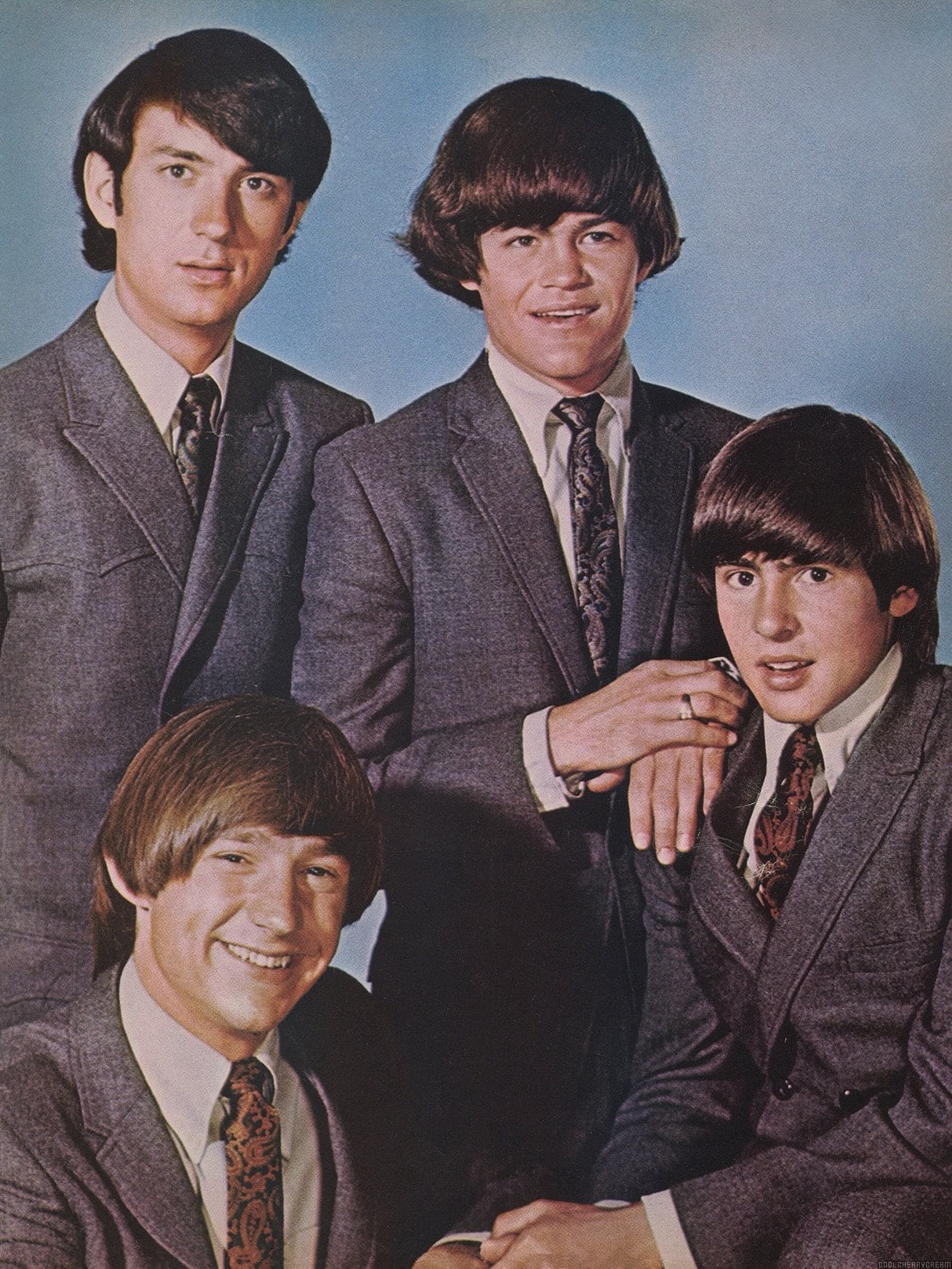
There’s something you should know about me. I was a Hebrew school dropout. The reason I dropped out was simple. The Monkees television show was on the same night as my Hebrew school class. It was the mid-’60s, and I was just a kid, and the Monkees—Micky, Davy, Peter and Mike—felt way more important than my Jewish heritage did at the time. Something had to give, and it was Hebrew school.
As a result, I never had a bar mitzvah, the Jewish rite of passage into manhood. My parents barely objected and were probably relieved to escape the burden of my tuition. My younger brother followed my lead and never even enrolled in Hebrew school. Years later, he became an Orthodox Jew and now lives in Israel with his wife and family. It just goes to show that you never can tell.
But when we were boys, our dad, Chuck Myers, was in the music business. Nothing glamorous, really. Chuck was just a salesman who worked for different record companies over the years. In the 1950s, he worked for a distributor that handled Chess Records, home of Muddy Waters, Willie Dixon and Chuck Berry. Sometimes my dad would have breakfast with label owners Phil and Leonard Chess before heading off to see his customers on Chicago’s South Side. My dad even played pinochle with Morris Levy, the infamous Jewish record mogul with reputed mob ties.
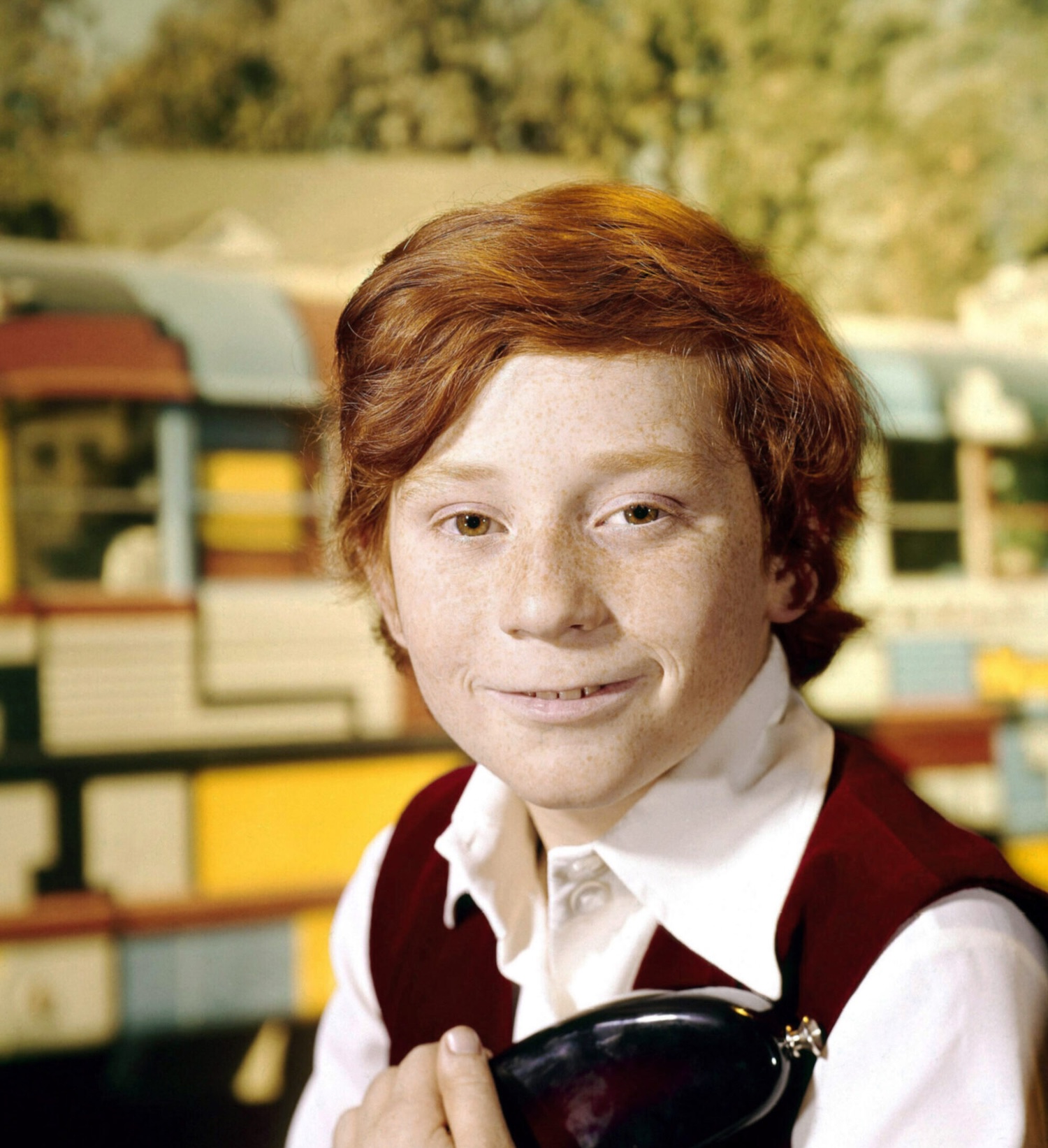
Later on, my dad became regional sales manager for Bell Records, whose big act at the time was the Partridge Family featuring David Cassidy. Chuck even had to take Partridge Family child star Danny Bonaduce out on a promotional tour of Midwestern radio stations.
As my father used to tell it, young Danny was just launching his solo career and was already a troublesome lad. My dad said that Danny Bonaduce would actually punch him in the stomach when they visited these radio stations, acting all sweet and innocent when the radio DJs turned around to see what the fuss was about. So, one day when they were at a radio station and nobody was looking, my dad punched Danny Bonaduce in the stomach. My father always liked to tell that story, and I’ve often wondered if Chuck Myers somehow contributed to Danny Bonaduce’s combative persona that flourished in the years that followed.
We had a lot of promotional records and magazines sent to the house back then, and music became a major part of my life early on. But eventually my dad got out of the record business and moved into wholesale electronics.
The other side of our family was more artistic, especially my uncle Shel Silverstein. When I was young, Shel was traveling the world, drawing cartoons and writing articles for Playboy. Shel is best known for his children’s books like Where The Sidewalk Ends and The Giving Tree. But Shel also made records, wrote songs, plays, short stories, theater scripts and screenplays.
Shel was a celebrity at our house even before his successes. We kids all thought that he was some kind of giant whenever he visited, but it turns out he was about 5-foot-10. He encouraged my early efforts to become a writer, and when I told him that some record-label person was mad about a fable I’d written about one of their artists, he said, “As long as people are reacting to your work, good or bad really doesn’t matter, you’re on the right track.”
After I graduated from college, I pursued my doctorate in psychology. While I was in grad school, I also helped my father run his wholesale electronics warehouse. Even after I became a psychologist, I kept working in the family business. I made plenty of money between the two jobs, but it all became too much to handle. The business ultimately went bankrupt, and I quit working as a psychologist right around that same time.
Then I told everyone that from now on I was going to be a writer; just like that.
That’s also when I met David Walley. I had read David’s book Teenage Nervous Breakdown and emailed him out of the blue as an aspiring writer. I couldn’t have found a better friend. David had great stories, and he was smart, funny, and opinionated. He critiqued my written work gently and became a true confidant. You could say David was my literary rabbi. When my uncle Shel passed away in 1999, David’s friendship helped fill that void.
A few years later, David called me up really excited.
“You’ve got to call this guy,” David said. “He’s an agent, and he’ll help you get a book deal.”
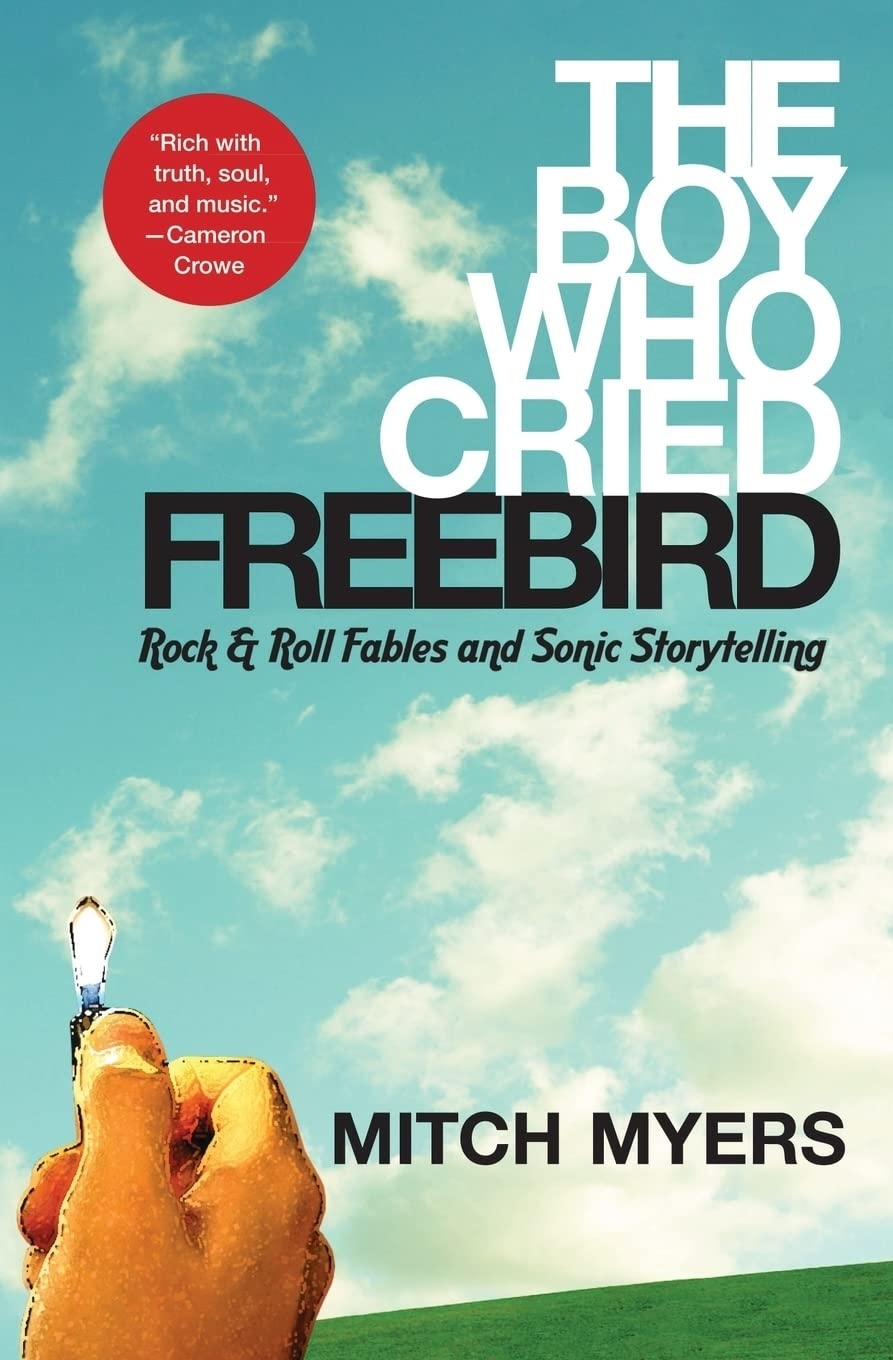
So I called David’s friend, and indeed, he liked my writing. Eventually we worked together, and he did help me get a book deal. And when the book finally came out, I had my 50th birthday.
But before all that came to pass, my dad died. I really wish that he could have seen that book; he would have gotten a kick out of it. The same goes for my uncle Shel and David Walley, too. David died suddenly in 2006, several months before my collection was published. The book would never have come into being without David’s help.
It’s not unusual to endure the loss of family and friends at this stage of one’s life. And as I remember my father, my uncle and my friend David, I’m comforted by the thought that they were always there for me with love and support. I know I couldn’t have accomplished many of my life goals without them.
So, even though I was a Hebrew school dropout and I never ever had a bar mitzvah, I think I can finally say, “Today I am a man.” Thanks to these fine men, and thanks to you all.