
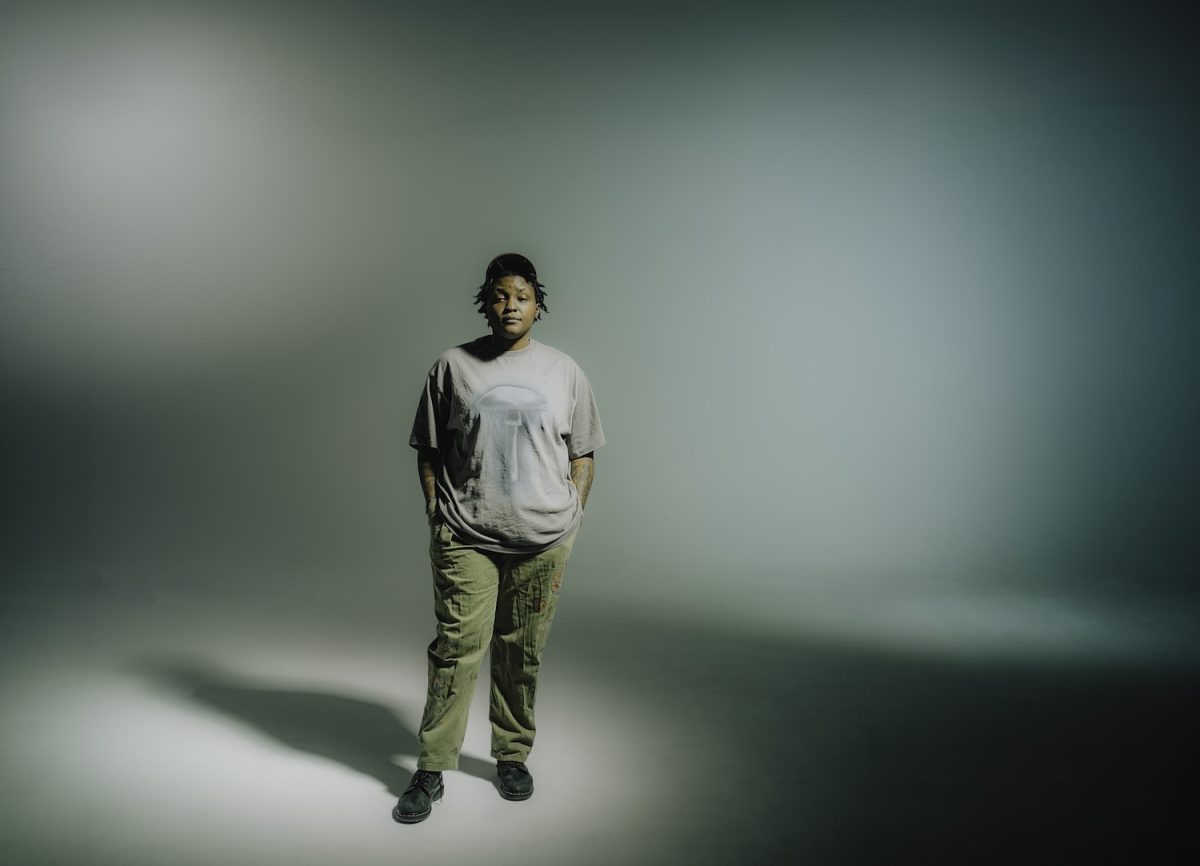
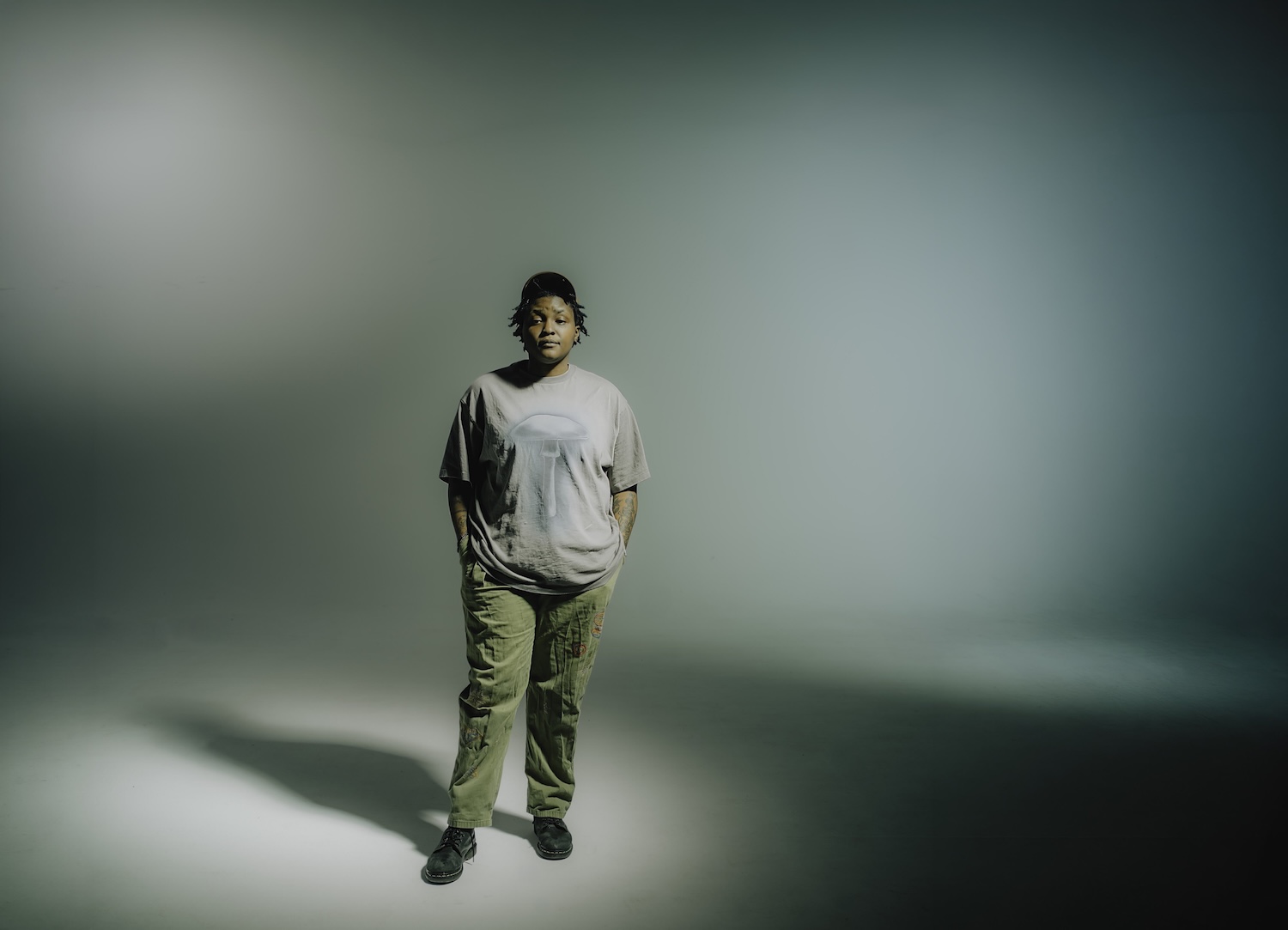
Over the past decade, Joy Oladokun has explored identity, faith, relationships and social issues with a candor that’s helped establish her as one of the more distinctive voices in contemporary Americana. But on Hope Is A Heavy Thing (Feed The Family/Concord), Oladokun taps into something more primal. A first-generation Nigerian American raised in Arizona, Oladokun wrote and recorded her latest LP on the road, drawing inspiration from artists as varied as Bob Dylan, the Soulquarians, J Dilla and the Ronettes. Tapping into elements of folk, soul, rock, Afrobeat and hip-hop, Hope Is A Heavy Thing is the sound of Oladokun reconnecting with the music that shaped her—everything from Bob Marley and Lauryn Hill to Johnny Cash and Charley Pride to congregational hymns and gospel music. In the process, she confronts the experiences that continue to inform her worldview.
The new album puts an exclamation point on several years of hard work and a series of lauded releases, including 2023’s Proof Of Life and 2024’s Observations From A Crowded Room. During that span, the Nashville-based artist has collaborated with Brandi Carlile, Chris Stapleton, Jason Isbell and Noah Kahan other well-known names.
MAGNET’s Hobart Rowland touched base with Oladokun in the thick of a lengthy tour that will eventually take her to the U.K. and Europe next spring.
What did you discover about your own past while making this album?
I dug into the music I loved growing up and the music that was in the air during formative moments. I realized how many cultures I love and have gotten to participate in. I also realized that I needed to stop pulling punches lyrically to make others feel safe. I had to fully dive into the emotions—rage, love, fear, hope—and then write about them without fearing who I might “lose” in the process.
The album title pushes against the idea that hope is inherently comforting or uplifting. Has your definition of hope changed in recent years?
I’ve always seen hope as pretty heavy. If it’s light, it’s a lie.
For you, what’s the common denominator between African music and American folk?
Folk is music that reflects the experience and will of the people. I think the common denominator between that and African music is the desire to speak to and for people who don’t always get a platform.
You’ve said this LP is the most authentic you’ve been as an artist. Given how personal and vulnerable your previous albums already were, what had you been holding back?
My anger. I also think there’s a softness people sometimes associate with me that’s not my reality. I’m loving and caring, but I’m unafraid to fight for what matters to me.
As you’ve become more visible, has it become harder to protect the ambiguity and intimacy that songwriting sometimes requires?
No. I watch a lot of movies, and the use of the needle drop in storytelling is really similar to how I view my music. My hope is that people hear themselves and their experience reflected in the music when they press play. I hope these songs carry people through their days. I want to take my singular experience and follow the thread to what feels universal. To me, that makes the fact that so many different types of people come to my shows feel really special. Finding those points of connection feels like essential work to me.
See Joy Odalokun live.