

Amid vinyl’s surprising resurgence, independent pressing plants have become just as vital as the labels and bands they serve. That’s especially true for Hellbender Vinyl, the pressing operation cofounded in Pittsburgh three years ago by Matt Dowling and Jeff Betten. A busy entrepreneur with a Ph.D. in chemical and biomedical engineering, Dowling was a touring bassist for Deleted Scenes, Paperhaus and other notable indie bands. He currently divides his downtime between SWOLL, How??? and Burial Waves. Betten, meanwhile, has previous leadership experience at indie labels Wild Kindness and Misra.
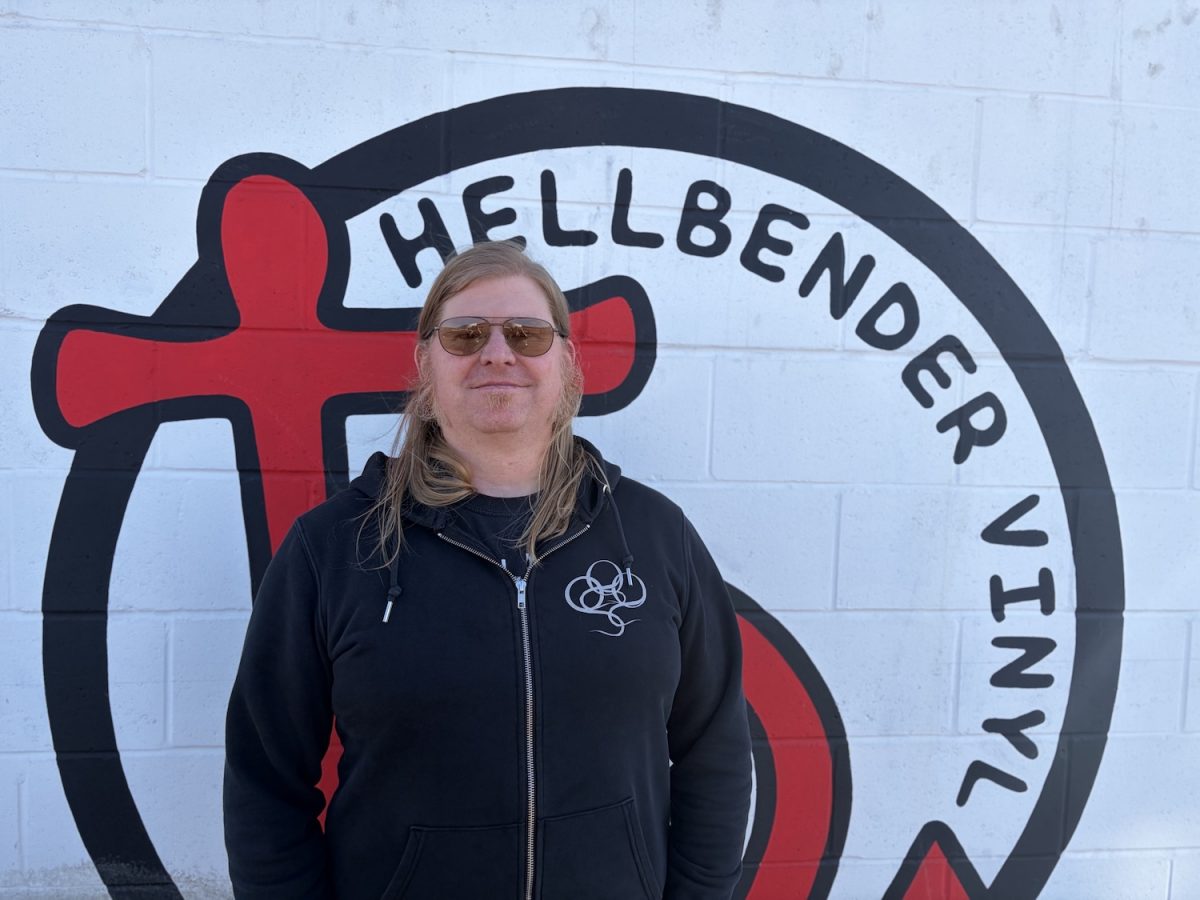
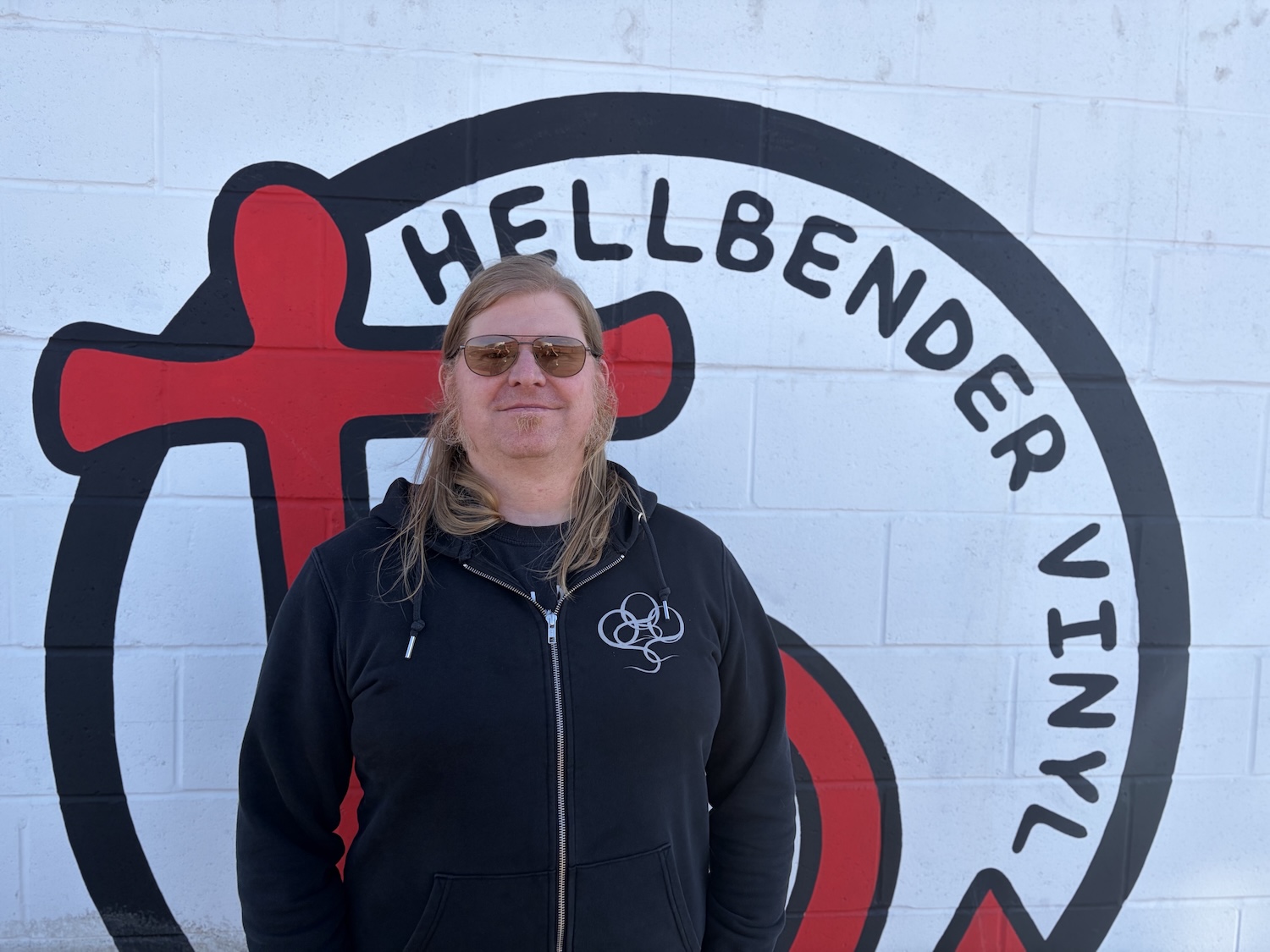
Since shipping its first orders in 2023, Hellbender has quickly established itself as a plant driven as much by artist care as manufacturing capacity. It’s a philosophy that’s helped Hellbender stand out in an industry plagued by delays, inconsistent communication and mounting supply-chain issues. This past year, Hellbender acquired Softwax Record Pressing, a Philadelphia-area plant founded in 2018 by Kiko Casanova. Today, Hellbender’s East Coast facility is fully operational and accepting orders. The company’s new head of business development is Travis Whitlock, whose background spans multiple corners of the music and art worlds as a musician, tour manager, label owner, venue manager and fine-art conservator. He also founded Actually Pressing, a Seattle-based manufacturing company known for pushing vinyl’s creative boundaries.
MAGNET’s Hobart Rowland recently tapped Whitlock for more on Hellbender.
Why build a pressing plant from the ground up versus partnering with existing manufacturers?
Why not? Pittsburgh didn’t have a plant, and Jeff Betten and Matt Dowling could see the possibilities it would allow local labels, musicians and the greater music scene in general. We’re all music nerds and fans here. We know what it means to hold your record in your hands for the first time. We know how much work, time and money goes into being able to place an order for vinyl.
What made Softwax the right fit?
With a facility at the other end of Pennsylvania, it felt like an extension of Hellbender’s tail. Uniting west with east under one banner was a no-brainer. It was a bonus to have Kiko Casanova come on board with the Philly team. It created a base for the development of Hellbender Vinyl Philly into a separate but connected pressing operation. They have their own production and operations team that works with the Pittsburgh production and operations team. There’s also a different drive and vibe, likely because of the city itself—but this influence bleeds over into Pittsburgh’s growth and service just as much as the reverse is true.
Hellbender is known for being artist focused. How do you ensure that every client, from DIY bands to major acts, gets that level of attention?
We simply treat them all equally. If a band needs 50 records by a specific date—even as a rush—we make every effort to hit their in-hand date. It’s no different than a band needing 10,000 units. The same goes for working with them to ensure the records they receive meet or exceed their expectations.
The vinyl supply chain has been volatile. What have been the biggest challenges you’ve faced, and how have you navigated them?
Supply-chain volatility is an ongoing, ever-changing challenge. Just when you have one aspect figured out, another pops up. Lacquers are a continuing bottleneck for our cutting partners. There’s one supplier in the world, and they’re in Japan. Unfortunately, our government keeps changing tax rates and rules for importers. This means we’re paying more for our lacquers, PVC compound, outer wrap, polybags and even shipping boxes. Most recently, the cost of oil and its limited availability is slowing—and raising the cost of—our PVC compounds, along with freight rates across the board. The best we can do is pay attention to what’s going on and keep regular lines of communication open with our suppliers, so we can adjust and pivot if necessary.
Creative formats are fun, but they don’t necessarily offer the best sound. How far are you willing to push the limits of vinyl novelty at the expense of playability and longevity?
This is a question I get a lot. As much as it pains me, the proliferation of liquid- and object-filled records has caused new producers to jump on the bandwagon without doing the research and development to ensure the records aren’t just fun but also sound good and last. Their products have helped create this general statement that sound quality is sacrificed. It’s up to the person or company doing the customization work to maintain a high level of quality control. If that’s a top priority, the end product will be of top quality.
Picture discs, shaped discs, one-of-a-kind color-mix pressings, glass, metal or natural fiber packaging, records that can be used as 3D glasses or even have objects pressed into the vinyl itself—these are all examples of novelty products. A lot of the time, those projects are super-fun and extremely satisfying when everything comes together. Our sales and production teams brainstorm with clients on these kinds of projects to make sure all possible issues with sound, vinyl color/effects or packaging are resolved ahead of time. We want to be sure no aspects are sacrificed just to make something wild and fun for their fans.